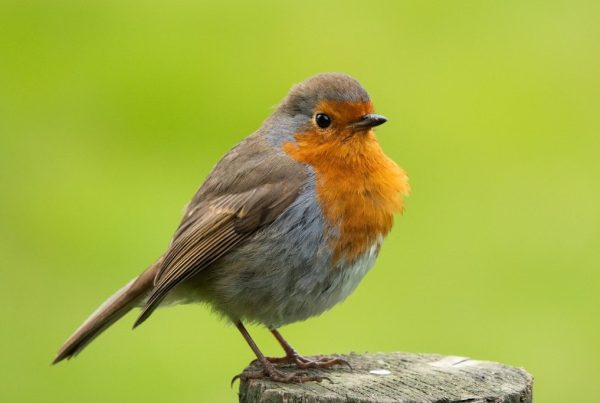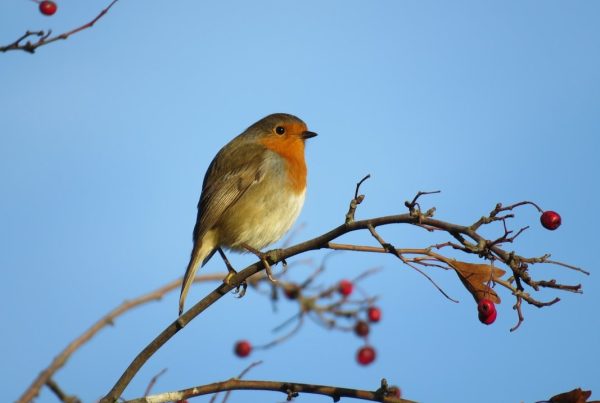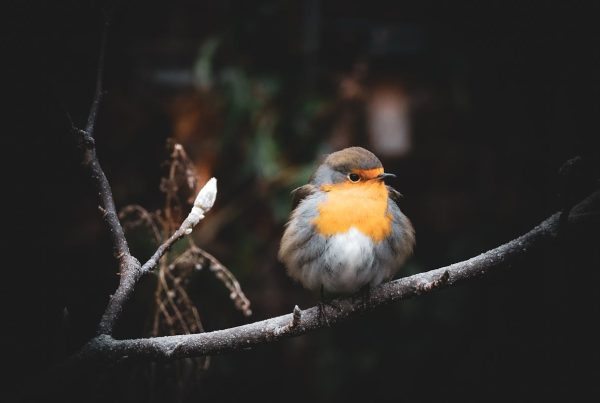

The robin shows up at odd times. After a funeral. On the first cold morning of winter, when you least expect a bird to be anywhere near your window. People notice robins the way they notice very few other birds — and then they wonder what it means.
That wondering has a long history. Across European, Native American, and Christian traditions, the robin carries a surprisingly consistent set of meanings: new beginnings, the presence of loved ones who have passed, and the return of light after dark periods. Whether you take those meanings literally or not, the robin has earned them over centuries.
Here is what the robin actually symbolizes — broken down by tradition, situation, and the specific things people tend to search for.
Robin Symbolism Spiritual Meaning
What Does a Robin Symbolize?
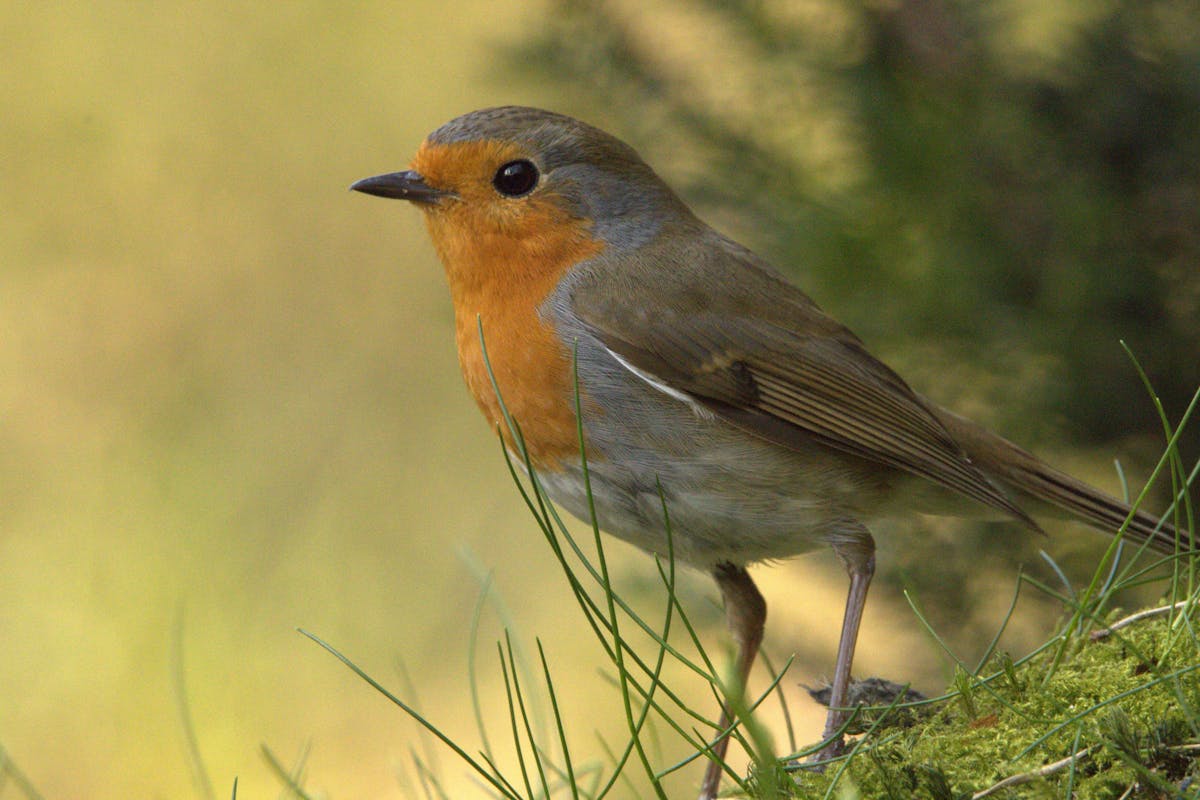
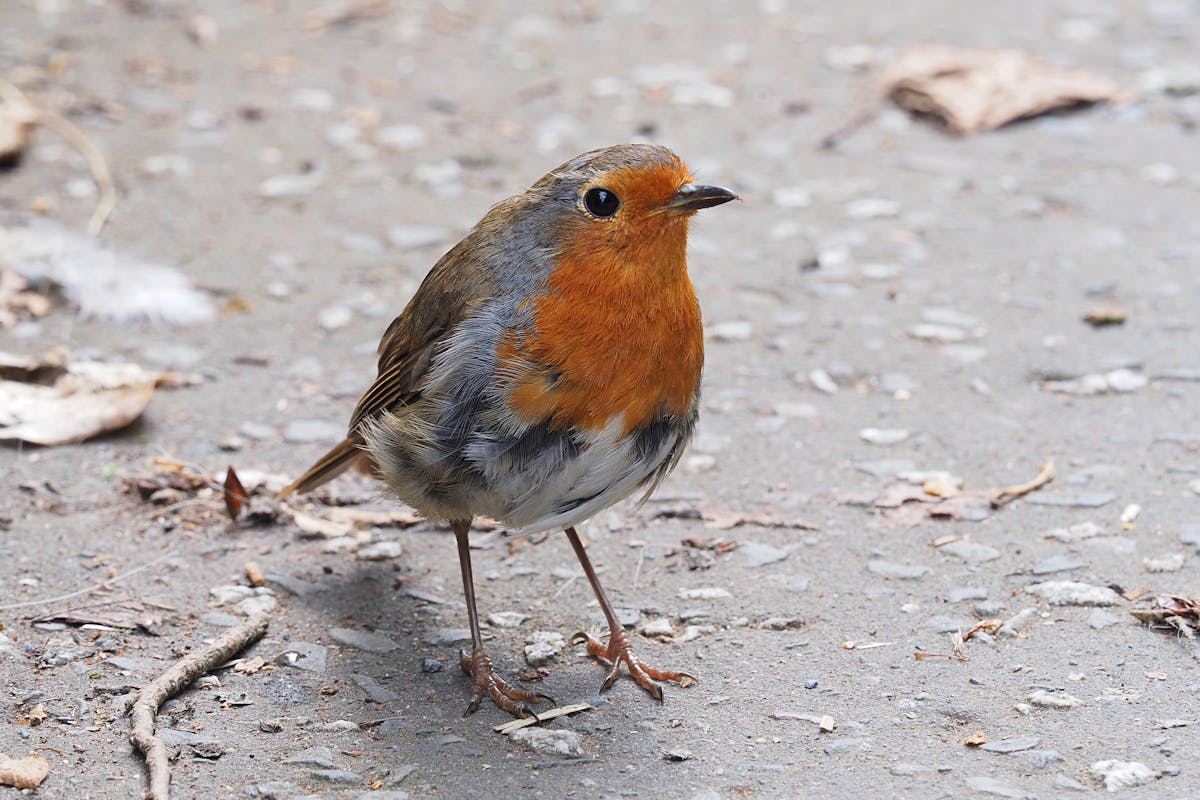
The robin’s core symbolic meanings are renewal, hope, and the connection between the living and the dead. The red breast is central to almost every tradition — it marks the robin as something set apart, a bird carrying a visible sign of meaning.
The most widely held belief is that robins appear when a deceased loved one is near. This is not a modern invention. It shows up in British and Irish folklore going back several hundred years, and it has become one of the most searched and most personally reported experiences around robins. People who have lost someone — a parent, a spouse, a child — frequently describe a robin appearing in an unusual place, at an unusual time, and feeling certain the bird carried a message.
Beyond that connection to the dead, the robin also means:
- Fresh starts — Robins are one of the first birds to sing in spring, which tied them to the idea of new beginnings long before anyone wrote it down
- Good luck — Especially in England, spotting a robin close to you is considered a positive omen
- Divine care — In Christian legend, the robin’s red breast comes from the blood of Christ, marking it as a bird with sacred associations
- Transformation — In spiritual contexts, a robin sighting during a difficult period is often interpreted as a sign that things are about to change
Robin Symbolism in Different Cultures
British and European Folklore
In Britain, the robin is closely associated with winter and Christmas — which seems odd until you understand why. Most birds disappear in winter. The robin stays, stays visible, and keeps singing. That persistence made it a symbol of hope in the coldest months, and it became associated with the Christmas season as a result. Victorian postmen wore red uniforms and were nicknamed “robins” — eventually, robins appeared on Christmas cards, and the image stuck.
The British folk tradition that robins carry the spirits of the dead is old and widely held. The saying “When robins appear, loved ones are near” is not a recent creation. It reflects something people observed — or felt they observed — for generations.
Native American Robin Symbolism
In several Native American traditions, the robin represents the coming of spring and the end of hardship. The Iroquois associated the robin with the dawn — its early morning song marked the transition from darkness to light, from winter to growing season. The Shoshone connected the robin to peace and calm after conflict.
The robin’s red breast appears in some Native American stories as a mark of courage or sacrifice — a bird that flew too close to the sun, or a fire, and was permanently marked by the experience. The specifics vary by tribe, but the theme of the red breast as a badge of something endured is consistent.
Celtic Robin Symbolism
In Celtic tradition, the robin and the wren are linked — sometimes as rivals, sometimes as complementary opposites. The wren represents the old year; the robin represents the new one. There was an actual folk custom of “hunting the wren” at the end of December and replacing it symbolically with the robin as January arrived. The robin, in this context, is literally the bird of new beginnings.
Celtic mythology also associated robins with the Otherworld — the realm of spirits and the dead. A robin appearing at a threshold (a doorway, a gate) was sometimes interpreted as a visitor from that realm carrying a message.
Christian Symbolism of the Robin
The most widely known Christian story about the robin says that when Christ was on the cross, a robin tried to pull the crown of thorns from his head. The blood that fell stained the robin’s breast red, and it has remained that color ever since. This legend appears in multiple European countries with slight variations.
While the robin does not appear in the Bible directly, birds are referenced throughout scripture as examples of God’s provision and care. In Matthew 6:26, Jesus points to birds as creatures that do not worry about food or shelter because they are cared for by God. In Psalms 104, birds are part of the broader portrait of creation. The robin fits into this framework as a bird already associated with sacrifice and divine connection.
Robin Spiritual Meaning
What Does It Mean When You See a Robin?
The meaning people attach to a robin sighting depends heavily on their situation. Here are the most common contexts:
Seeing a Robin After Someone Dies
This is the most commonly reported experience. Someone loses a loved one, and then a robin appears — on a windowsill, in the garden, unusually close — and the person feels certain the bird carries a message from the person who died.
Whether that is literally true is a matter of personal belief. What is true is that this experience is extremely common, and the people who report it tend not to be superstitious in other areas of their lives. Something about the robin — its red breast, its directness, its willingness to come close — triggers the feeling of connection.
If this happens to you, the tradition says to be still, pay attention, and take it as a sign that the person you lost is at peace.
Seeing a Robin in Your Garden
A robin visiting your garden is generally considered good luck. In folk tradition, it means good news is coming — a positive change, a message, something worth looking forward to. Robins are territorial birds that choose their spots deliberately, so when one makes your garden its regular stop, it is not random.
Seeing a Robin in Winter
A robin in winter, particularly in November or December, is seen as a sign of hope. The robin stays when other birds leave. That persistence has always been read as a message: you can get through the hard season. Light is coming.
A Robin Tapping on Your Window
This one has two interpretations that pull in opposite directions. Some traditions say a robin tapping on a window is a warning — a spirit trying to make contact. Other traditions say it means the bird has seen its own reflection and is defending its territory, which is the biological explanation and usually the correct one.
If you want to stop a robin tapping on your window, covering the glass temporarily breaks the reflection. The behavior usually stops within a few days.
A Robin Flying Into Your House
A robin entering through an open door or window is considered a significant sign in most folk traditions. In some old English superstitions, it meant a death in the family. In others, it meant important news was coming. Either way, across very different cultures, a bird crossing the threshold of your home uninvited was never treated as nothing.
Robin as a Spirit Animal
If the robin is your spirit animal or totem, the core quality it represents is renewal. People who identify with the robin tend to be survivors — people who have come through something difficult and come out the other side still singing. The robin does not migrate. It does not hide. It stays and adapts.
The robin as a totem also suggests a connection to early mornings, new projects, and a willingness to be the first to speak or act. Robin people tend to be optimistic by nature, or at least determined to act like they are.
In dream interpretation, a robin appearing in a dream is generally a positive sign — it suggests that a period of difficulty is ending and something better is beginning. A singing robin in a dream is particularly good. A silent or injured robin may be a prompt to pay attention to something in your life that needs care.
What Does the Robin’s Red Breast Mean?
The red breast is impossible to ignore, and every culture that has stories about robins has a story about why it is red. The Christian version involves Christ’s blood. Some Native American versions involve fire or the sun. Celtic versions involve courage or sacrifice. The consistency across very different cultures is striking — the red breast marks the robin as a bird that has endured something and carries the mark of it permanently.
In color symbolism, red is associated with life, blood, passion, and sacrifice. The robin wearing it on its chest makes the bird look open — like it has nothing to hide. That quality may explain why people feel the robin communicates with them directly, more than most other birds do.
Robin Superstitions: 10 Widely Recorded Beliefs
- A robin appearing when you are grieving means a loved one is nearby
- A robin tapping on a window is a warning or a spirit trying to contact you
- Seeing a robin on New Year’s Day brings luck for the year ahead
- It is bad luck to harm a robin or destroy its nest
- A bride who sees a robin on her wedding day will have a happy marriage
- Keeping a robin in a cage brings misfortune until the bird is freed
- A robin visiting your garden means good news is on the way
- A robin flying into your house carries an important message
- Spotting a robin in November is a sign of coming good luck
- A robin singing near your home means protection from bad luck
Is Seeing a Robin Good Luck?
Yes, in almost every tradition that has an opinion on the subject. The main exception is the window-tapping belief, which some traditions connect to death or bad news. But in general — a robin visiting your garden, appearing near you in the wild, or showing up at an unexpected moment — is considered a positive sign.
The luck associated with robins is specific rather than vague. It is not lottery-winning luck. It is more personal: good news, a sign that someone you miss is at peace, or a quiet signal that something you are worried about will be okay. That specificity is probably why people find robin encounters meaningful long after they stop believing in other omens.
FAQ: Robin Symbolism and Spiritual Meaning
What does it mean when a robin visits you?
In folk tradition, a robin visiting you — especially after a loss — is seen as a sign from a deceased loved one. More broadly, it is considered a sign of good luck and positive change coming.
What does the robin symbolize spiritually?
Renewal, hope, the presence of those who have passed, and divine care. Across European, Native American, and Christian traditions, the robin’s meanings are unusually consistent for a single bird.
What does it mean if a robin keeps coming back?
Robins are territorial and return to the same locations during their season. If a robin keeps visiting your garden or window, it has established that territory. Spiritually, repeated visits are often interpreted as a persistent message or a loved one checking in regularly.
Is the robin a sign of death?
Some traditions, particularly around robins tapping on windows or entering houses, associate the robin with death or warning. But the more common interpretation across most cultures is positive — renewal, hope, and the presence of loved ones who have died peacefully.
What does it mean when a robin sings outside your window?
Biologically, a male robin has claimed your garden as his territory. Symbolically, a singing robin outside your window is almost universally positive — a sign of protection, good news, or the presence of something hopeful nearby.
What does seeing a red robin mean spiritually?
The red breast specifically reinforces the symbolic connection to sacrifice, divine care, and the blood of Christ in Christian tradition. Seeing the red breast clearly is sometimes taken as a more emphatic version of the general robin message — pay attention, someone is trying to reach you.
For more on the American Robin’s biology, habitat, and behavior, see our complete American Robin guide. If you are also curious about other bird encounters and what they mean, see our guides on what it means when a bird hits your window, what a cardinal visit means, hawk spiritual meaning, and mourning dove symbolism.

MD Imdadul Haque is the founder of BirdzFly, a research-backed resource on North American backyard birds. Drawing on years of independent study into bird identification, behavior, and migration patterns, he writes in-depth guides designed to help US birders understand the species in their own backyards — from common feeder visitors to seasonal migrants passing through.