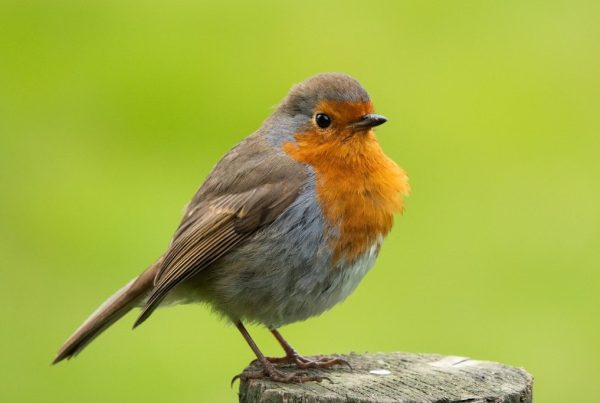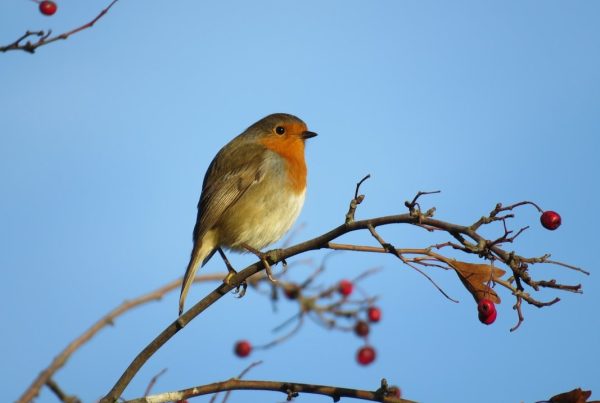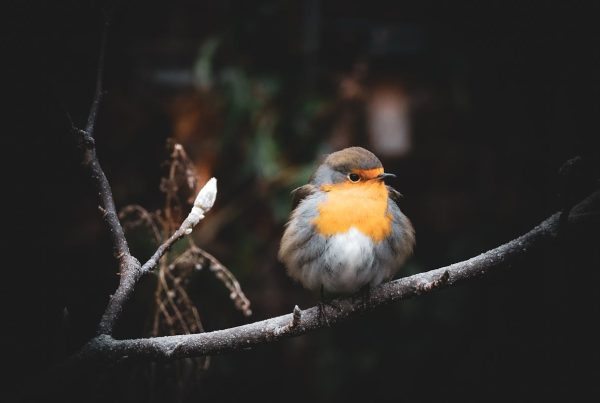

Robin eggs are one of the most recognizable things in nature — that specific shade of blue is distinctive enough that it has its own name. Here is everything about American robin eggs and nests: what they look like, how long they take to hatch, and what happens from laying to fledgling.
What Do Robin Eggs Look Like?
American robin eggs are a bright, clear turquoise-blue with no spots or markings. The color is consistent and vivid — not pale, not greenish, not speckled. It is the color people mean when they say “robin’s egg blue,” which has become a standard color name in painting, design, and fashion precisely because the color is so specific and recognizable.
The color comes from a pigment called biliverdin, deposited in the eggshell during the laying process. The intensity of the blue is thought to signal egg health and may help the male identify his own nest. The color fades somewhat in direct sunlight over the incubation period.
Size: approximately 28mm long and 20mm wide — about the size of a large jelly bean.
How Many Eggs Do Robins Lay?
A typical American robin clutch has 3–4 eggs. Occasionally 5, rarely 2. If you see significantly more eggs in a nest — say 7 or 8 — two females may be using the same nest, which is unusual but documented.
Robins lay one egg per day, usually in the morning. The female begins incubating after the last egg is laid, which means all eggs hatch within a day or two of each other rather than sequentially.
Robins raise 2–3 broods per year in most of the US. The first clutch is typically in March or April; the last may finish as late as July or early August in northern states.
How Long Do Robin Eggs Take to Hatch?
Robin eggs hatch after 12–14 days of incubation. Counting from when the last egg was laid, not the first.
The female incubates the eggs, sitting on them for roughly 50 minutes of every hour during the day. Males occasionally sit on the eggs but do so far less than females. At night the female incubates continuously.
Hatching takes several hours. The chick uses a small egg tooth on the tip of its bill to pip — crack through the shell. The parents remove the empty shell halves from the nest shortly after hatching.
What Does a Robin Nest Look Like?
A robin nest is a cup built from three distinct layers:
- Outer layer: Coarse grass, twigs, and plant material woven together into a rough platform
- Middle layer: Wet mud — the structural core. The female collects mud and presses her body into it to form the smooth round interior. This layer dries hard and gives the nest its shape.
- Inner layer: Fine dry grass lining the smooth mud cup, providing cushioning for the eggs
Outer diameter: 6–8 inches. Inner cup: about 4 inches across and 2–3 inches deep. The dried mud makes robin nests unusually sturdy — they hold their shape for months after being abandoned and are easy to find in bare trees in winter.
Where Do Robins Build Their Nests?
Almost anywhere with a stable horizontal surface and some overhead cover. Most common locations:
- Fork of a deciduous tree, 5–25 feet up
- Dense shrubs, sometimes as low as 3–5 feet
- Building ledges, windowsills, porch lights, security cameras, gutters
- Any outdoor bracket or surface that provides a flat platform with cover above
Robins are not secretive about nest placement — they prioritize structural stability and some rain cover over concealment. They take readily to human structures, which is why people frequently find nests on their porches or against their houses in spring.
Robin Nest Timeline
| Day | Event |
|---|---|
| 1–7 | Female builds nest, 2–6 days of active construction |
| 8 | First egg laid |
| 9 | Second egg laid |
| 10 | Third egg laid |
| 11 | Fourth egg laid (if clutch is 4). Incubation begins in earnest. |
| 23–25 | Eggs hatch (12–14 days after last egg) |
| 26–38 | Nestling stage — both parents feed chicks |
| 36–40 | Chicks fledge (13–15 days after hatching) |
| 40–56 | Fledglings on ground, parents still feeding |
What Do Baby Robins Look Like?
Newly hatched robins are blind, nearly naked, and have a sparse covering of gray down on the head and back. The skin is pink and visible. They cannot hold their heads up for more than a second.
By day 5–7, the eyes begin to open and pin feathers push through the skin. By day 10–12, feathers have unfurled and the chick looks like a bird. The juvenile plumage — the key field mark — is a spotted breast rather than the solid orange-red of adults. The spots disappear during the first summer molt.
Juveniles leave the nest at 13–15 days old, before they can fly well. They spend 2–3 weeks on the ground in low vegetation while the parents continue feeding them. If you see a robin-shaped bird with a spotted breast on the ground, it is a normal fledgling — not abandoned, not injured.
How Many Times Per Year Do Robins Nest?
Two to three broods per year across most of the US. In southern states, sometimes four. The male feeds the fledglings from the first brood while the female begins building the next nest — the two processes often overlap by a week or two.
FAQ: American Robin Eggs and Nests
What color are robin eggs?
Bright turquoise-blue with no spots — the specific shade known as “robin’s egg blue.” No other common North American songbird has eggs this color.
How long does it take for robin eggs to hatch?
12–14 days from when the last egg is laid. The female incubates for roughly 50 minutes of every hour.
How many eggs does a robin lay?
Typically 3–4 per clutch. Robins raise 2–3 broods per year.
What does a robin nest look like?
A sturdy mud cup, 6–8 inches outer diameter, with a smooth interior lined with dry grass. The mud core makes it unusually durable.
How long do baby robins stay in the nest?
13–15 days after hatching. They leave before they can fly well — this is normal. Parents continue feeding them for 2–3 more weeks on the ground.
For more on robins, see our guides on robin nests in detail, baby robin growth stages, robin symbolism and spiritual meaning, how long robin eggs take to hatch, and American Robin complete guide.

MD Imdadul Haque is the founder of BirdzFly, a research-backed resource on North American backyard birds. Drawing on years of independent study into bird identification, behavior, and migration patterns, he writes in-depth guides designed to help US birders understand the species in their own backyards — from common feeder visitors to seasonal migrants passing through.