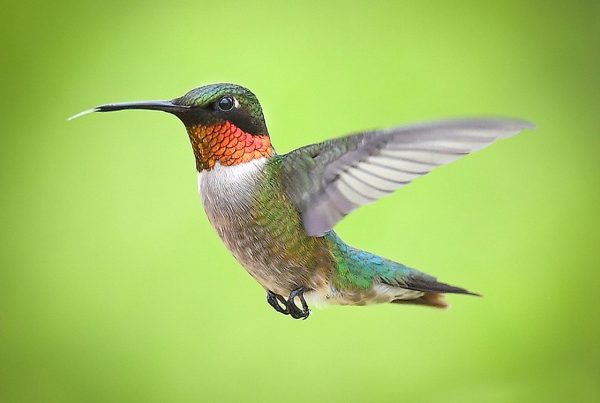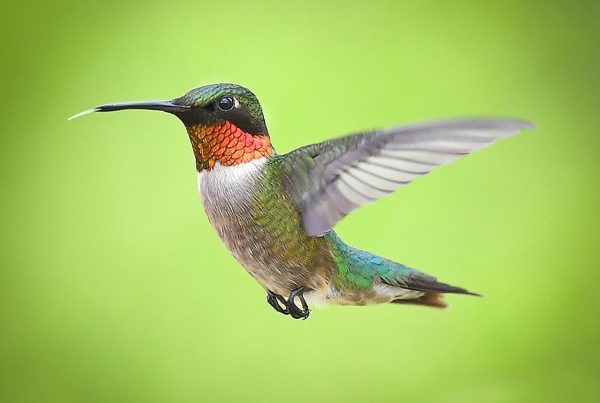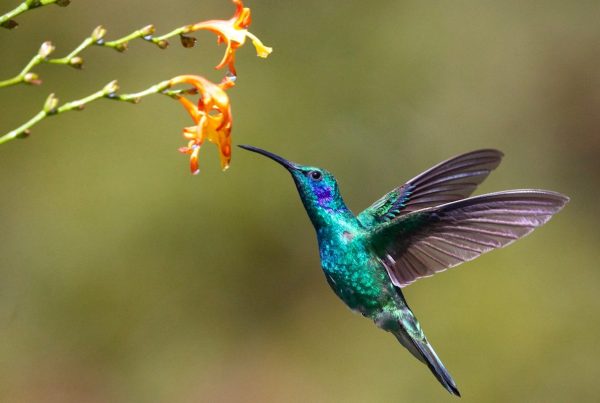
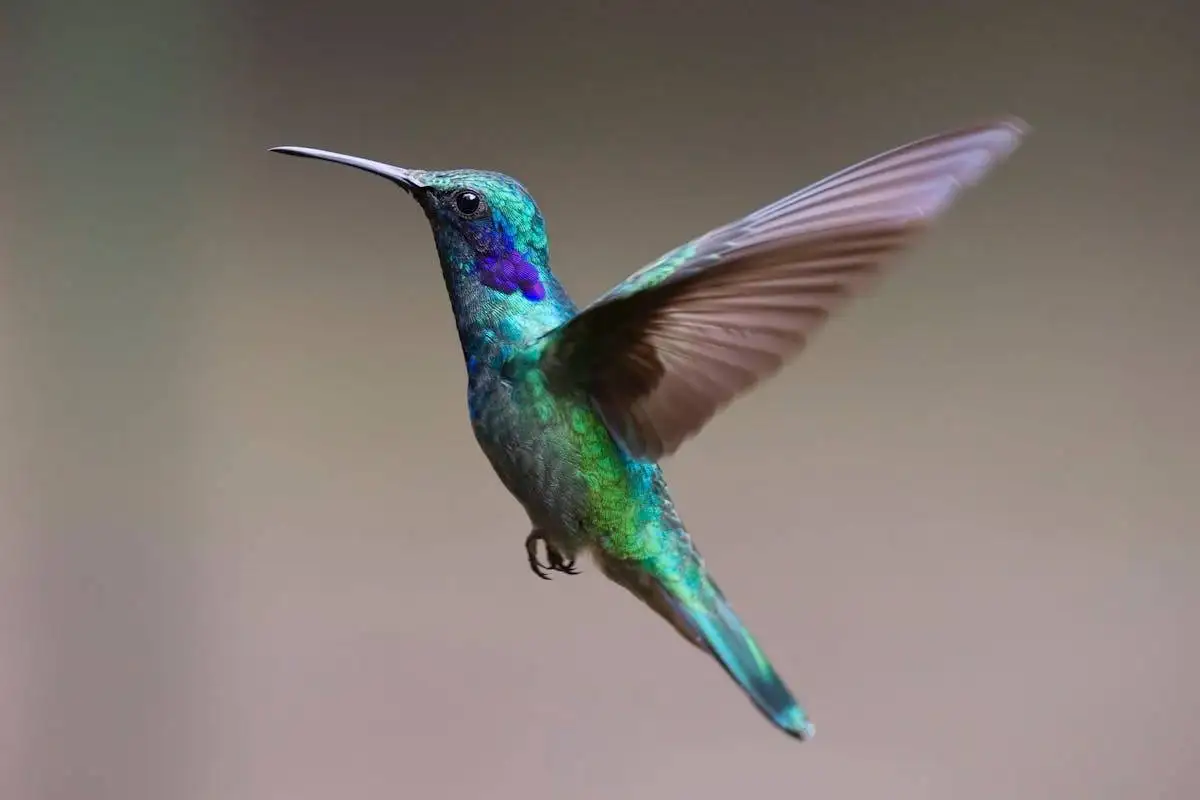
Small, ugly looking hummingbirds can easily attract and nest in any garden. When hummingbirds are around, the surroundings look more beautiful and fun. A careful view of hummingbirds above enhances the natural beauty. The Hummingbird Description encompasses various species that showcase remarkable diversity in coloration and size. These birds are distinguished by their iridescent plumage, rapid wing beats, and unique flying abilities, which allow them to hover and maneuver with agility. Their presence not only enriches the aesthetic appeal of gardens but also contributes to the pollination of many flowering plants, underscoring their ecological importance. Observing hummingbirds in their natural habitat provides an exquisite glimpse into the beauty of wildlife.
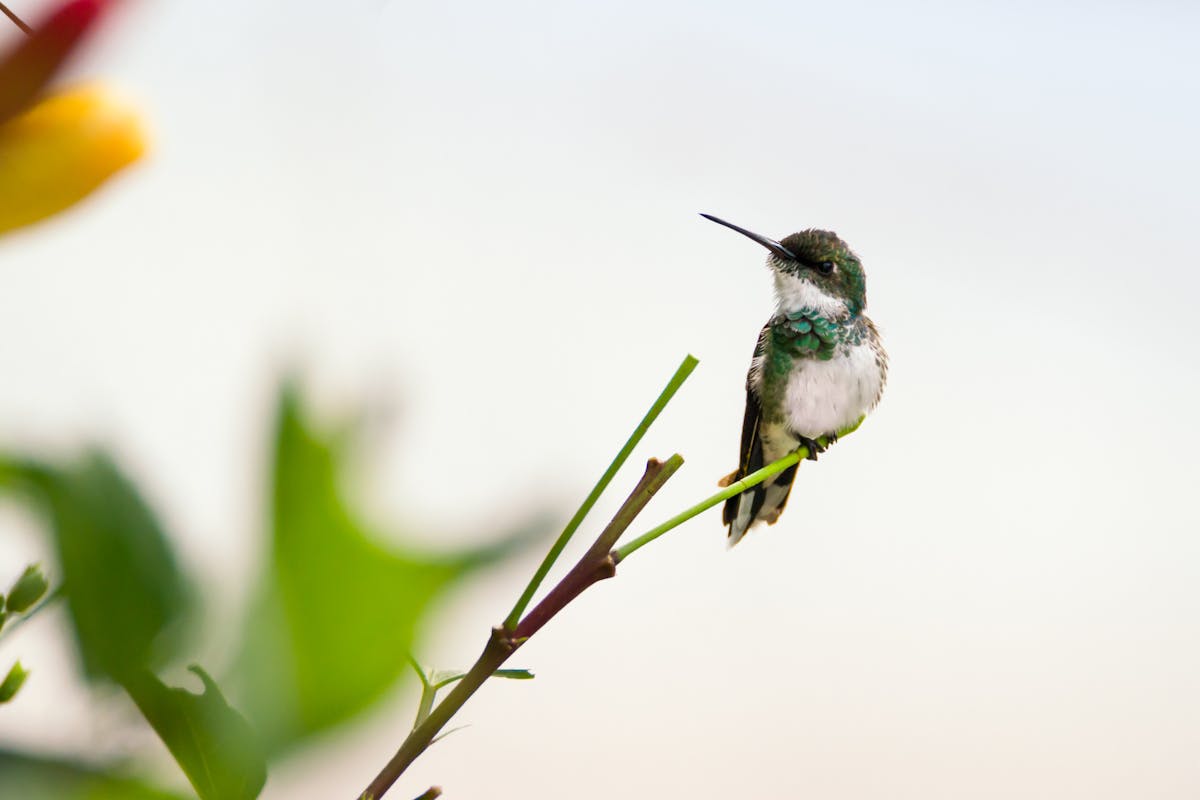
Hummingbirds Identification
What is a hummingbird?
Hummingbirds belong to the avian family Trochilidae, and their closest relatives are the equally fascinating swifts. Hummingbirds are generally small (weighing 2 to 20 g), with long, short bills and saber-like wings. The hummingbird is a tiny bird in the family Trochilidae. They are known for their ability to hover in mid-air and their fast wing movements. Hummingbirds love flowers and feeders.
Male hummingbirds and female hummingbirds often have a colorful gorget – a small, stiff, highly reflective throat and a pair of iridescent feathers on the upper chest. These shiny feathers are very beautiful to look at. These feathers and other parts around the head are usually black until the hummingbird displays a metallic spectrum of color to catch the sun.
Key Hummingbird Characteristics
-
Average length: 3–5 inches
-
Extremely lightweight bodies
-
Wingbeat frequency: 50-80 beats per second
-
Can fly forward, back, or side to side with ease
Hummingbirds consume flower nectar and also eat insects and spiders for protein.
Hummingbird Physical Description
To identify hummingbirds, look for these physical traits:
Size and Shape
-
Small, robust bodies on short legs
-
Straight, fine bills for probing flowers
-
Long, narrow wings that appear blurred in flight
Feather Coloration
-
Lustrous plumage that shimmers in the sun
-
Males have a bright-colored throat patch or gorget
-
Females have less intense green, gray, and white colors
Wings and Tail
-
Long wings adapted for hovering
-
Tails vary in shape, some are rounded or fringed, while others are pointed
Common Hummingbird Species
There are over 300 species of hummingbirds worldwide. Here are some commonly encountered species in North America:
Ruby-throated Hummingbird
-
Bright red throat on males
-
Green back with white underparts
-
Widespread in eastern and central North America
Anna’s Hummingbird
-
Metallic pink throat and crown
-
Stocky body and rounded tail
-
Residential year-round in parts of the western United States
Rufous Hummingbird
-
Rusty-orange body and tail
-
Highly territorial behavior
-
Known for long-distance migration
Black-chinned Hummingbird
-
Black throat with a narrow purple margin
-
Slim appearance
-
Found in the southern United States
How to Identify a Hummingbird
To differentiate between species, focus on these points:
-
Throat: It may appear red in good light, often visible only in direct sunlight
-
Size: Compare the size to other nearby hummingbirds
-
Tail: Shape and markings help separate similar species
-
Behavior: Some species are more aggressive or vocal
Using binoculars and observing feeding behaviors can help with identification.
Hummingbird Habitat and Behavior
Hummingbirds live in forests, deserts, meadows, and cities. They have fast metabolisms and need to feed frequently, about every 10 minutes.
Some people confuse their nighttime state with a coma, but this is actually a hibernation-like state called torpor. This occurs at night or in cold weather to prevent heat loss.
Why Hummingbirds Are Important
Hummingbirds play a crucial role in pollination. As they move from flower to flower, they carry pollen on their feathers. This helps plants reproduce and keeps ecosystems healthy.
Hummingbird Superlatives
smallest bird
How come there is a species of hummingbird description that weighs only 1.95 grams. Which means, 16 first class birds can be mailed using just one stamp. Another type of bird called the calliope hummingbird is known as the fourth smallest bird weighing 2.5 grams (that’s less than an ounce) and this type of bird is found mostly in the mountains of western North America.
The smallest egg
It is generally understood that any small bird is hatched from an egg. But the question is how small the egg! Two eggs can be as small as a pea and held in a walnut shell-shaped cup woven from cobwebs and plant material with a ruby neck.
Avian helicopter
A hummingbird is able to stroke its wing flaps both downward and upward with equal force. They are able to climb very precisely with their short wings. Generally speaking the only vertebrates can move easily and move from one place to another easily while flying. They can arise in different ways. With a barred front, they can roll backwards and climb upside down.
Hummingbirds add their speed and stamina through their movements. Such birds typically travel at 30 miles per hour in indirect flight and over 45 miles per hour during drives in their theaters. These hummingbirds are mostly found in the Gulf of Mexico. Their migration takes 18 to 20 hours straight to cross the ruby-throated sea. They are powered by fat stores and aided somewhat by air.
Fast lane life
A ruby-throated hummingbird’s heart normally beats 225 times per minute when the bird is at rest. Again when it is flying it is more than 1,200 times per minute. Amazingly, its wings beat more than 70 times per second in flight and more than 200 times per second while diving.
sleeping on the job
Hummingbirds have a common torpor. Torpor refers to a very deep, sleep-like state in which all metabolic functions are slowed to a minimum and the bird’s body temperature is kept very low. If the torpor lasts for a long time, it is called hibernation, but hummingbirds can go into torpor any night during the year when ambient temperature and food conditions demand it.
Hummingbirds are usually masters of torpor. Their wings offer poor insulation and they have incredibly high metabolic demands. Torpor allows them to physiologically relax when they cannot maintain their normal body temperature of 105 degrees Fahrenheit (which is their normal temperature).
Where do hummingbirds live?
About 340 species of hummingbirds live in different parts of the world. Most of them are found in temperate tropical forests from Tierra del Fuego to southern Alaska and from sea-level desert regions to 16,000 feet in the Andes of South America.
A large number of different species of hummingbirds live in the tropics. 17 of these species regularly nest in the United States. Many of these are found in countries near the Mexican border. There are one or two breeding species in various parts of the United States, and only ruby-throated hummingbirds are found nesting before the Mississippi.
Relentless demand for food
Hummingbirds’ high-energy lifestyle forces them to locate reliable food sources.
They usually rely on flower-eating hummingbirds near or at the mercy of the flowering season. Hummingbirds are very mobile. They move around a lot. It can be ascertained that their movements are often variable over time and are shaped by the changing timing or pattern of flower production.
Hummingbirds migrate through the lowlands in the spring and return in summer to track the intense blooms of meadow annuals on their way to the mountains. Western United States — As summer progresses, hummingbirds ascend the mountains.
Hummingbirds don’t just depend on flowers. When the breeding season arrives, especially above, hummingbirds hover in mid-air and catch various small flying insects to feed and eat the young in their nests.
In the northern and high-elevation regions of America, hummingbirds depend on the sap-wells of woodpeckers commonly known as sapsa car. They are able to keep woodpecker sap flowing, and hummingbirds hide to facilitate the woodpecker’s work.
Non-social life of hummingbirds
Most hummingbirds are seen as antisocial. Usually ugly looking and with fest special qualities, this bird is often suitable. When many hummingbirds are seen circling around, it is often seen repeatedly flying at high speeds. Moreover, male and female hummingbirds do not bond over time and the female is asked to take responsibility for the eggs and chicks.
Hummingbirds do not need the help of other hummingbirds to stand up to predators foraging. Various hummingbirds are competitors for the nectar of the flowers on which they depend. The fact that a male and female hummingbird can cooperate does not outweigh having a male competing for food.
So why or what about these fights? They usually occur when plants release their flowers. This should generally be done during flower visitation to allow hummingbirds a full load of nectar. But they usually wait for a flower to eat. So they try to chase away the birds of various animals participating in the competition. So they get access and control of flowers very easily.
Many hummingbirds are found eating small areas around various flowers that protect them from the environment. It also does so during short stop overs for refueling during migration. Where different species of birds live together, the species try to score on the flowers to get the biggest drink of the dead. Also species that are small try to hide for a few sips.
When they come closer to each other, hummingbirds tend to socialize in the tropics, and a small number of species form male star lakes among them. Places where they once congregate for many months and play their scratchy hummingbird songs to attract female birds. How Female Birds Are Attracted to People Males then begin their competition for mating.
The why and what of hummingbird flowers
Why do flowers attract special pollinating women?
In order to be evolutionary successful, pollination of dry plants typically requires a means of transfer from one flower’s stamens to another, which occurs through such birds. Some plants are highly pollinated in such a mathematical way that the wind carries them from one place to another or from one flower to another or from a front porch and sometimes between flowers of the same family.
There are various plants that produce few crops and attract few animals. A nectar reward in a flower eliminates competition from various animals. Pollinators are species that look for some like flowers and pollinate them.
All it takes is one flower to attract hummingbirds
Flowers that attract hummingbirds:
If you want to support a hummingbird lifestyle with enough sugar production to supply 25% nectar. The sugar content is about 26 percent at home and in addition any soft drink should be treated with double the amount of sugar in the drink. But generally nectar should not be too thick and sticky. Because hummingbirds spend a long time relying on their tongues to train juices and nectar into their mouths through a wetting action. (which they refer to as the power to drink water in a glass)
- Any fresh end having red or orange petals or bracts provides a distance marker in the park so it should be noticed.
- Often when seen they have long and cylindrical necks or a long and long body and jaws needed to extract nectar.
- Such birds are the easiest to recognize from a hovering curry bird by hanging around and waiting low.
- This type of bird with long stamens has a variety of characteristics that distinguish the birds. Pollen is deposited on the forehead of such birds.
Frequently Asked Questions (FAQ)
What is a Hummingbird?
A hummingbird is a nectar-feeding bird found in the Americas. They are known for their incredibly fast wingbeats. Hummingbirds hover in place and have bright, iridescent feathers that glisten in sunlight.
How Can I Tell If I’ve Seen a Hummingbird?
You can identify a hummingbird by looking at:
-
Throat color (especially in males)
-
Body size and shape
-
Bill length and curve
-
Tail shape and markings
-
Behavior, such as hovering and territorial displays
How Many Different Species of Hummingbird Are There?
There are more than 300 species of hummingbirds in the world. These little birds mainly live in Central and South America.
What Do Hummingbirds Eat?
Hummingbirds primarily feed on:
-
Flower nectar
-
Sugar-water nectar from feeders
-
Insects and spiders for protein
Why Do Hummingbirds Change Colors?
Hummingbirds do not actually change color. Their iridescent feathers reflect light, making colors appear different based on the angle you view them from.
Which is the Tiniest Species of Hummingbird?
The tiniest species is the bee hummingbird, measuring only 2 inches long. It is also the smallest bird in the world.
Where Do Hummingbirds Live?
Hummingbirds thrive in various habitats:
-
Forests
-
Meadows
-
Foothills
-
Prairies
-
Deserts
-
Mountains
-
Suburban gardens
Most species migrate seasonally, covering thousands of miles.
Do Hummingbirds Sleep?
Yes, hummingbirds do sleep. At night or in cold weather, they enter a low-energy state called torpor to conserve energy.
My Recommendations (Expert Tips)
Tips: Who Let The Hummingbirds Out?
-
Birds may appear grey in full sun if their throat color is not visible.
-
Watch tail movement during hovering.
-
Compare size with nearby hummingbirds.
-
Note their feeding and territorial behavior.
How to Entice Hummingbirds to Your Yard
To attract hummingbirds, try these tips:
-
Plant nectar-rich flowers like trumpet vine, salvia, and bee balm.
-
Use red or yellow feeders.
-
Hang feeders in partial shade.
-
Clean feeders every 2–3 days.
Best Nectar Recipe (Safe & Easy)
To make nectar:
-
Combine 1 part white sugar with 4 parts water.
-
Boil briefly and let cool.
-
DO NOT ADD:
-
Food coloring
-
Honey
-
Artificial sweeteners
-
When to See Hummingbirds
You can spot hummingbirds:
-
Early morning and late afternoon.
-
Near flowering plants or feeders.
Beginner Birdwatching Advice
Here are some tips for beginner birdwatchers:
-
Use light binoculars (7x or 8x).
-
Create a local hummingbird list on your desk or refrigerator.
-
Be patient — hummingbirds return to their favorite spots.
Conclusion
Hummingbirds are small, yet they are amazing. They have unique adaptations, bright colors, and fascinating behaviors. Recognizing different bird species by size, color, tail patterns, and behaviors makes birdwatching more enjoyable. Hummingbirds are small birds with amazing flying abilities and beautiful colors. Learning about these species enhances your appreciation for these spectacular pollinators. With the right observation techniques and a hummingbird-friendly yard, you can enjoy watching these birds while supporting local ecosystems. Hummingbirds provide endless chances for discovery, whether you see them in the wild or at your backyard feeder.
Most hummingbirds descibe are not specialized and feed on a variety of flowers with a preference for the hummingbird flowers described above. However, it can be said that throughout the tropics very tight and developed attack flowers, for example the bill fits the flower like a key to open a lock. Watch more 2026 Hummingbird Migration Map in USA.

MD Imdadul Haque is the founder of BirdzFly, a research-backed resource on North American backyard birds. Drawing on years of independent study into bird identification, behavior, and migration patterns, he writes in-depth guides designed to help US birders understand the species in their own backyards — from common feeder visitors to seasonal migrants passing through.