
Hummingbirds in Ohio
Introduction
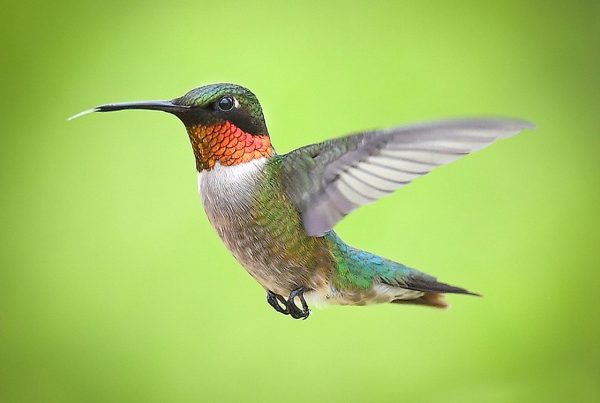
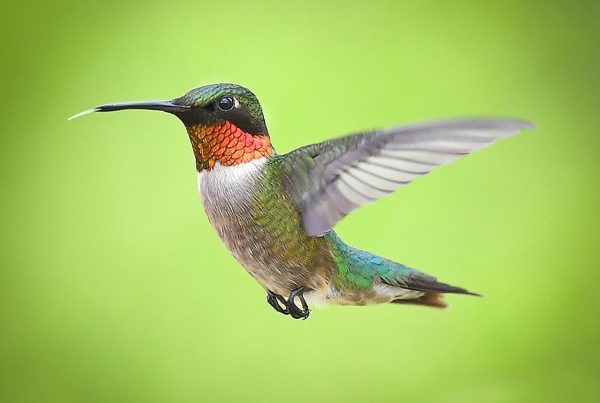
Ohio may not have as many hummingbird species as Texas or California, but it offers abundant opportunities to see these beautiful birds. The Ruby-throated Hummingbird, Ohio’s only breeding species, returns in large numbers each spring and fall. You can find them in Ohio’s woodlands, gardens, and forest edges from April to October.
The hummingbird season is an exciting time for Ohio birders. Here’s what you need to know about when to expect them, how to prepare your yard, and tips for enjoying hummingbirds in Ohio.
Ohio’s Hummingbird: The Ruby-throated Hummingbird
Identification
Male:
-
Shining green above
-
Brilliant iridescent ruby-red throat (can look black in poor light)
-
White collar below the gorget
-
Gray-white underparts
-
Forked black tail
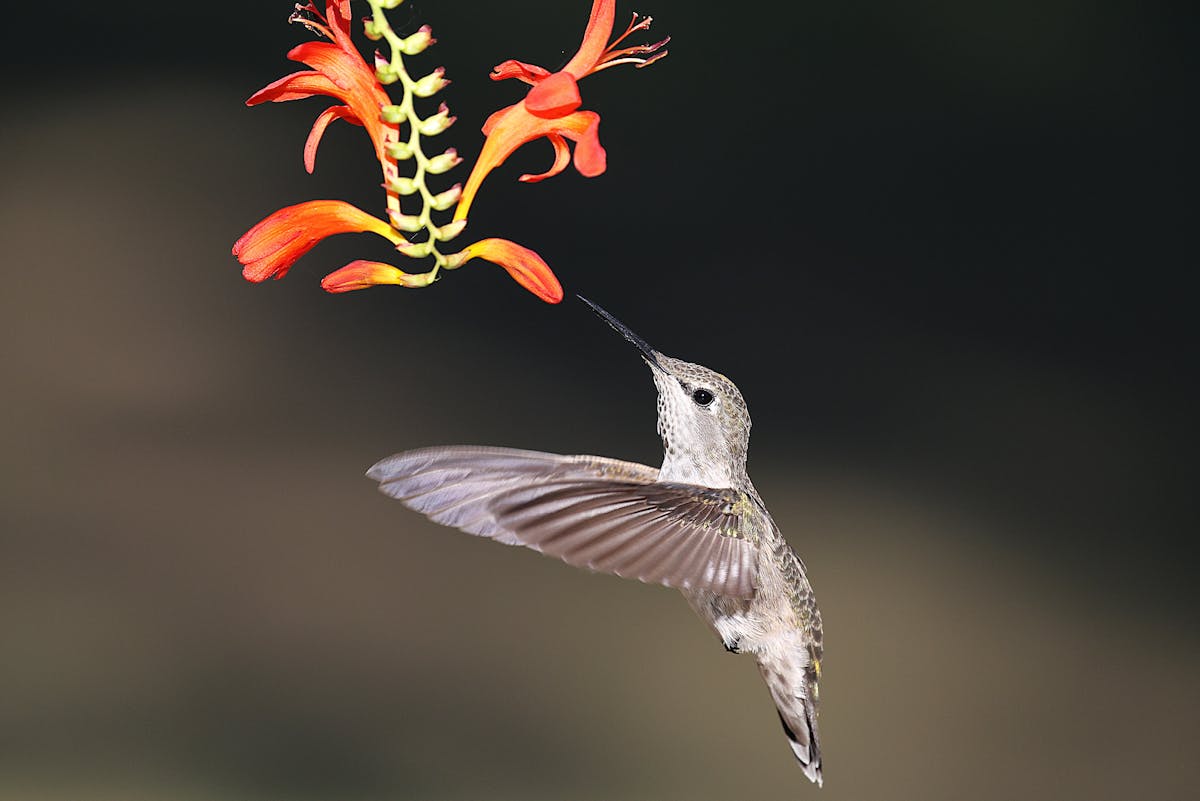
Female:
-
Metallic green above
-
White throat and underparts (darker or spotted in Speckled mungo)
-
Rounded tail with white tips on outer feathers
Adult Females:
-
Similar to adults starting late summer
-
Immature males develop throat patch through first fall and winter
Total Length: Approximately 3.75 inches, comparable to a robust moth, weighing 3–4 grams, less than a nickel.
Migration Timeline: Arrival in Ohio 2026
Spring Migration:
-
First arrivals (southern Ohio): Late April (April 20–30)
-
Central Ohio: Early May (May 1–10)
-
Summer breeding arrival (northern Ohio): Mid-May (May 10–20)
-
Strongest migrations: Late April to mid-May
-
Territorial settlement: By late May
Breeding Season:
-
General Activity Pattern: May – August
-
Nest Building: May–June
-
Eggs and Chick-Rearing: June–July
-
Young Birds Fledge: Late July–August
Fall Migration:
-
Adults start moving south: August–September
-
Immature birds follow: August–September
-
Fall migration in full swing: Mid-August to mid-September
-
Last sightings: Usually by mid-October
Ohio Feeding Period
Spring:
-
Put feeders out by April 20 to catch early migrants.
Autumn:
-
Keep feeders until at least October 15 to help late migrants.
Tip: Never remove feeders before October 15 in Ohio, regardless of the last sighting.
Where Hummingbirds Breed in Ohio
Ruby-throated Hummingbirds breed in various habitats in Ohio:
-
Forest Edges: Ideal for nesting, usually 10–20 feet off the ground.
-
Riparian Corridors: Edges of streams or rivers provide great breeding habitat.
-
Suburban & Urban Gardens: Native plantings and mature trees attract hummingbirds.
Breeding populations are found in state parks and wildlife areas, including:
-
Oak Openings Metropark (Toledo area)
-
Hocking Hills region
-
Cuyahoga Valley National Park
Attracting Hummingbirds to Your Ohio Yard
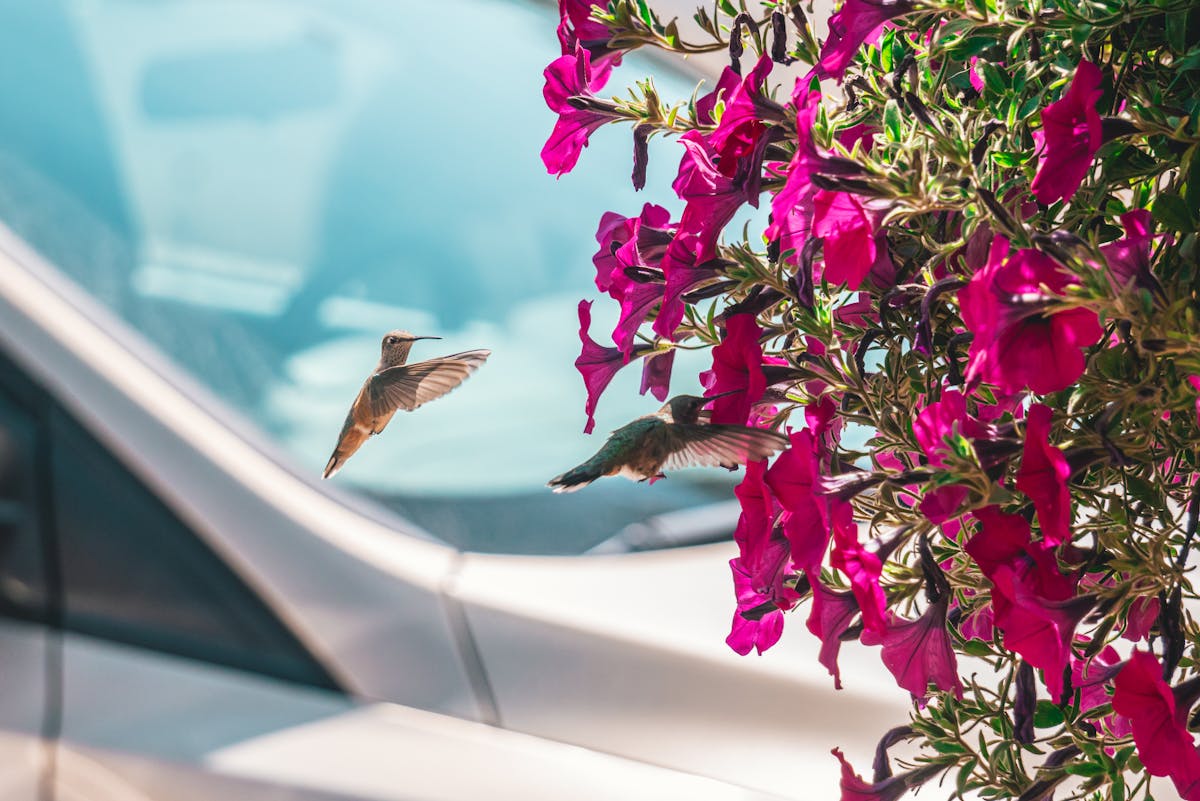
Hummingbirds in Yard
Feeders
-
Nectar Recipe: Mix 1 part plain white sugar to 4 parts water. Avoid honey, brown sugar, or store-bought nectar with red dye.
-
Placement: Hang feeders in the shade and at least 3 feet away from windows.
Cleaning Schedule
-
73–78°F: Clean every 5–6 days
-
May (≤70°F): Clean as needed
-
June–July (70-80°F): Clean every 3–4 days
-
August (80°F or above): Sanitize every 2–3 days
Note: If you see black mold, change the nectar immediately.
Additional Feeding Tips
-
If one male is aggressive, place a second feeder out of sight to allow others to feed.
Planting Native Ohio Plants
Consider planting these native plants to attract hummingbirds:
-
Cardinal Flower (Lobelia cardinalis): Blooms July–September.
-
Trumpet Vine (Campsis radicans): Blooms July–September.
-
Bee Balm (Monarda didyma): Blooms June–August.
-
Wild Columbine (Aquilegia canadensis): Blooms April–May.
-
Coral Honeysuckle (Lonicera sempervirens): Blooms May–August.
-
Agastache species: Blooms late summer into fall.
Ohio Hummingbird Watching: Best Locations
-
Hocking Hills State Park: Great breeding habitat.
-
Oak Openings Metropark (Toledo): Best birding area with many hummingbirds.
-
Cuyahoga Valley National Park: Best from July to August along the Towpath Trail.
-
Shawnee State Forest: Supports good breeding populations.
-
Your Own Backyard: Clean feeders and native flowers attract the most hummingbirds.
Rare Hummingbirds in Ohio
While Ruby-throated Hummingbirds are the most common, occasionally, you might see:
-
Rufous Hummingbird: Most common among rarities.
-
Black-chinned Hummingbird: Rare sightings.
-
Anna’s Hummingbird: Rare vagrant.
These rarities excite the Ohio birding community. If you keep feeders out in late fall, you might spot one!
FAQ
Q: When do hummingbirds arrive in Ohio? A: First birds arrive in southern Ohio about April 20–25.
Q: When do hummingbirds leave Ohio? A: Most leave by mid-October. Keep feeders out until at least October 15.
Q: How can I attract hummingbirds to my yard? A: Set out a sanitized feeder with a 1:4 sugar water mix by April 20. Plant native flowers like Cardinal Flowers and Trumpet Vine.
Q: Will hummingbirds winter in Ohio? A: Almost never. Some Rufous Hummingbirds may linger, but most migrate south.
Conclusion
Ohio’s hummingbird season runs from May to September. It’s a joyful time for birders. With a clean feeder and native flowers, you can easily attract these tiny wonders.
Hang your feeders by April 20 and watch your garden come to life!
BirdzFly — Your guide to hummingbirds and backyard birding tips for all 50 states.

MD Imdadul Haque is the founder of BirdzFly, a research-backed resource on North American backyard birds. Drawing on years of independent study into bird identification, behavior, and migration patterns, he writes in-depth guides designed to help US birders understand the species in their own backyards — from common feeder visitors to seasonal migrants passing through.