Hummingbirds in Florida
Introduction
Florida has a special place in the range of hummingbirds. Located at the crossroads of northern migration routes and winter refuges, Florida birders enjoy a wide variety of hummingbirds. You can see breeding residents, passing migrants, and winter visitors that few other states can match.
Birders in much of North America usually see only one or two reliable hummingbird species. However, Florida can deliver up to six species in any given year.
In this guide, you will learn about different species of hummingbirds in Florida, when and where to see them, how to attract them to your backyard, and the best places to view these aerial marvels in the state.
Florida Hummingbird Species: Which Are Here and When
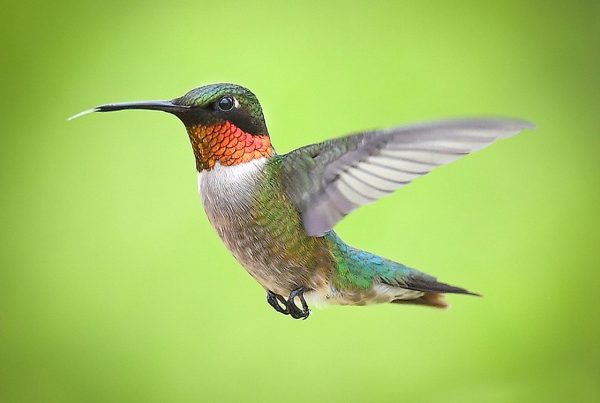
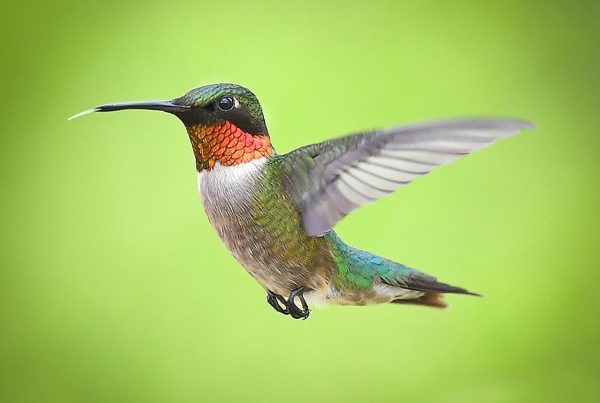
Star: Ruby-throated Hummingbird (Archilochus colubris)
The Ruby-throated Hummingbird is Florida’s main breeding species. Males have a brilliant iridescent ruby-red throat, while females and immatures have a plain white throat.
-
Arrival in Florida: Ruby-throateds start to appear in north Florida by late February and become common statewide by mid-March.
-
Peak Spring Migration: April
-
Breeding Season: April–August
-
Fall Migration Begins: Late August
-
Last Fall Birds: October–early November
Migration Dates (Central and South Florida):
-
Timing shifts 2–4 weeks earlier than in the north.
-
Breeders are less common than winter visitors.
Winter Visitors: The Exciting Species
Florida attracts a variety of rare western hummingbird species in fall and winter. Some significant discoveries have been made by feeder watchers.
Rufous Hummingbird (Selasphorus rufus)
-
Common Winter Visitor: These birds have the longest migration routes in the U.S., breeding in the Pacific Northwest and Alaska.
-
Arrival: October–November
-
Departure: March
Adult males are vivid orange-rufous and are very aggressive at feeders.
Black-chinned Hummingbird (Archilochus alexandri)
More Black-chinned Hummingbirds are wintering in Florida, especially in the Panhandle. Males have a black throat outlined with violet.
Calliope Hummingbird (Selasphorus calliope)
This is the smallest bird in North America and is rare in Florida. It usually appears at feeders.
Buff-bellied Hummingbird (Amazilia yucatanensis)
This species winters mainly on the Gulf Coast of Florida.
Allen’s Hummingbird (Selasphorus sasin)
This bird is hard to distinguish from the Rufous and is occasionally spotted in Florida.
Hummingbird Migration Map by Region in Florida
Florida Panhandle
This area holds the highest diversity of hummingbirds in Florida due to its location and climate.
-
Spring: Ruby-throateds arrive in March; Black-chinned possible.
-
Summer: Ruby-throated species from June–August.
-
Fall/Winter: From October onwards, look for Rufous, Black-chinned, and other western strays.
When to Keep Feeders — March through October
North Florida (Gainesville, Jacksonville, Tallahassee)
-
Spring: Ruby-throated from late February–early March.
-
Summer: Active breeding population.
-
Autumn: Birds leave by the end of October.
-
Winter: Rufous and a few others; keep feeders up.
Central Florida (Orlando)
-
Spring Arrival: Ruby-throated mid-March.
-
Summer: Found at feeders and breeding in woodlands.
-
Fall: Migration through October.
-
Winter: Rufous appear occasionally.
South Florida (Miami/Fort Lauderdale/Tampa Bay)
-
Spring Migration Peak: April.
-
Summer: Breeding bird numbers decline.
-
Winter: Ruby-throated, Rufous, and rare visitors.
Tips For Attracting Hummingbirds in Florida
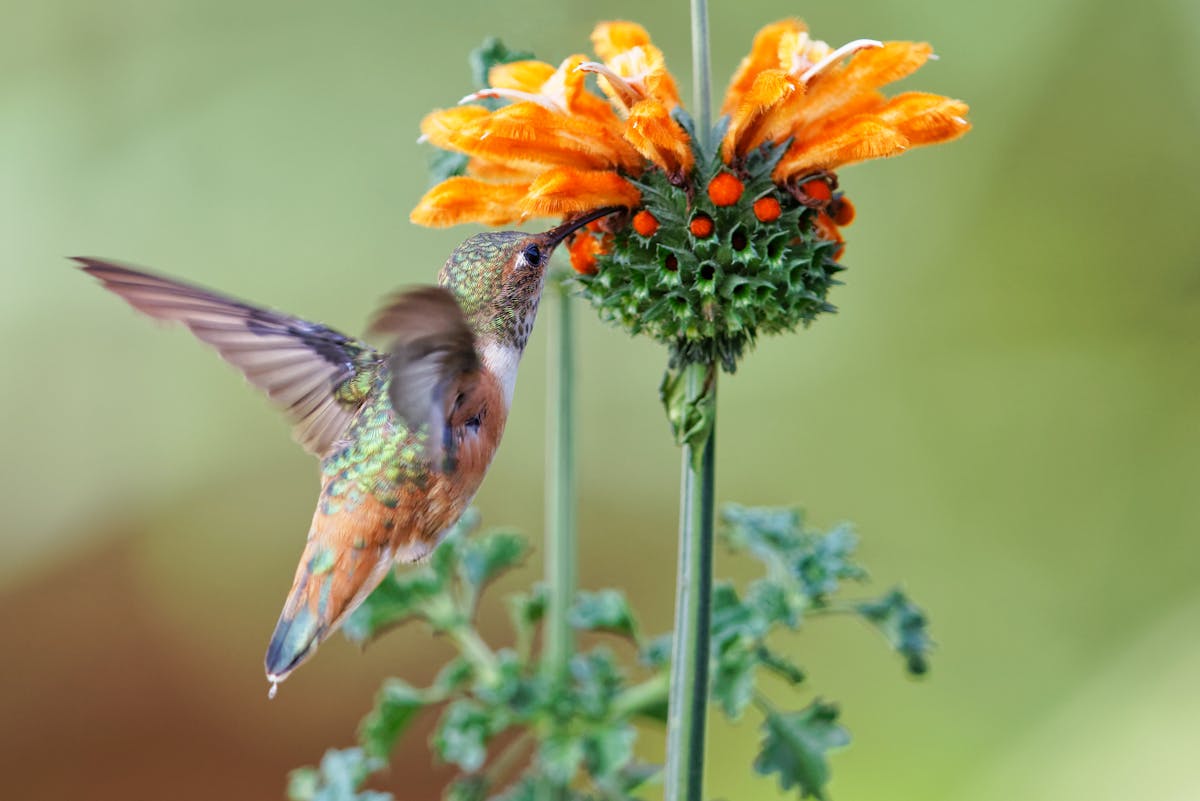
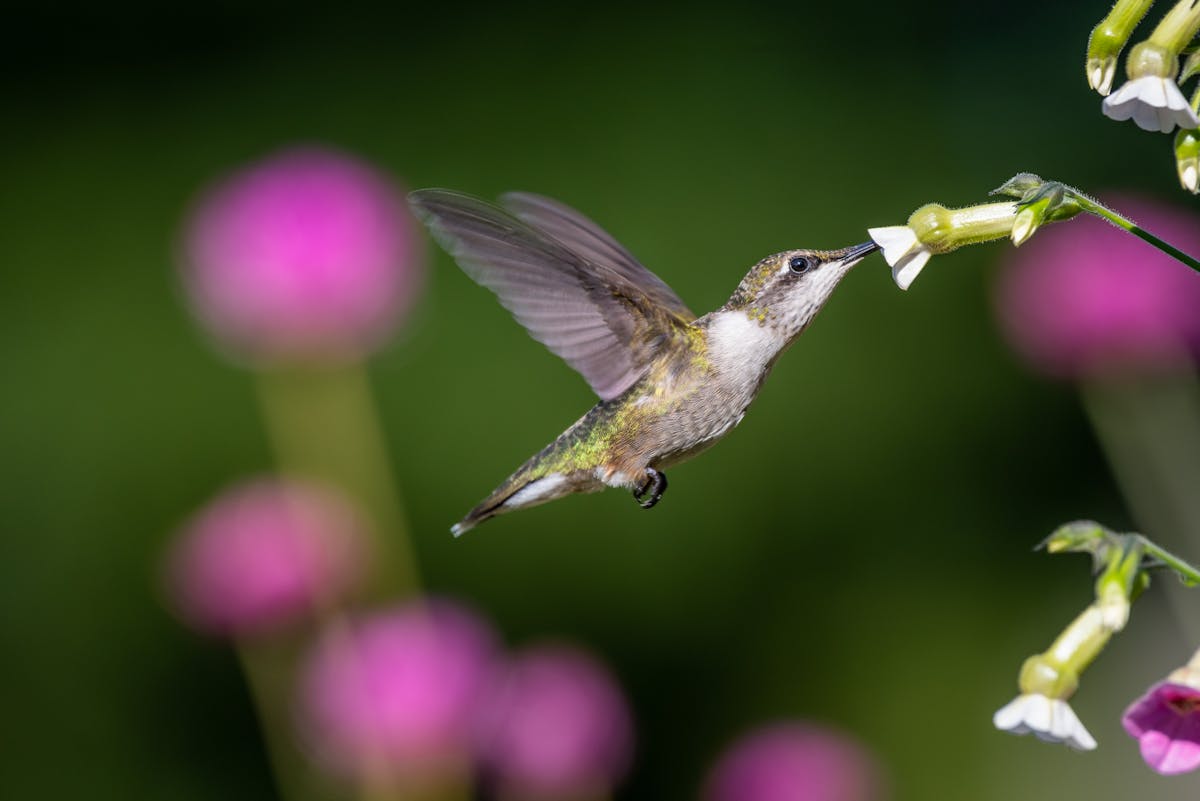
Hummingbirds on Flower
The Most Popular Native Plants For Hummingbirds In Florida
Using native plants is the best way to attract hummingbirds. Here are some proven performers:
-
Firebush (Hamelia patens): Produces red-orange flowers year-round.
-
Coral Honeysuckle (Lonicera sempervirens): Great for fences and trellises, blooms for months.
-
Trumpet Vine (Campsis radicans): Fast-growing with large trumpet flowers.
-
Scarlet Sage (Salvia coccinea): Bright red flowers popular with Ruby-throateds.
-
Cardinal Flower (Lobelia cardinalis): Gorgeous and perfect for hummingbird pollination.
-
Pentas (Pentas lanceolata): Blooms year-round in frost-free areas.
Florida Feeder Strategy
When to Put Feeders Out:
-
North Florida: February 15
-
Central Florida: March 1
-
South Florida: Year-round
Key Florida-specific Feeder Tips:
-
Heat Considerations: In temperatures over 90°F, nectar can spoil within 24 hours. Use smaller feeders and place them in shaded areas.
-
Cleaning: Use diluted white vinegar to wash feeders. If you see black mold, scrub it out with a bottle brush.
-
Spacing: Widely spaced feeders reduce territorial disputes among birds.
Best Places to See Hummingbirds in Florida
-
Fort De Soto Park: Great for migration watching, especially in September–October.
-
Wakulla Springs State Park: Offers Ruby-throated activity and excellent native plantings.
-
Corkscrew Swamp Sanctuary (Naples): Reliable sightings of Ruby-throateds and potential rare winter birds.
-
Blue Spring State Park (Orange City): Great habitat for migrating hummingbirds.
-
Apalachicola National Forest: One of Florida’s best spots for hummingbird diversity.
-
Private Gardens: Well-watched gardens in the Panhandle are productive hummingbird locations.
Florida Hummingbird Facts
-
Can hummingbirds survive Florida winters? Yes, some Ruby-throateds stay year-round, and western species like Rufous can tolerate the milder winters.
-
Do hummingbirds sleep? Yes, they enter a deep sleep state called torpor each night.

MD Imdadul Haque is the founder of BirdzFly, a research-backed resource on North American backyard birds. Drawing on years of independent study into bird identification, behavior, and migration patterns, he writes in-depth guides designed to help US birders understand the species in their own backyards — from common feeder visitors to seasonal migrants passing through.