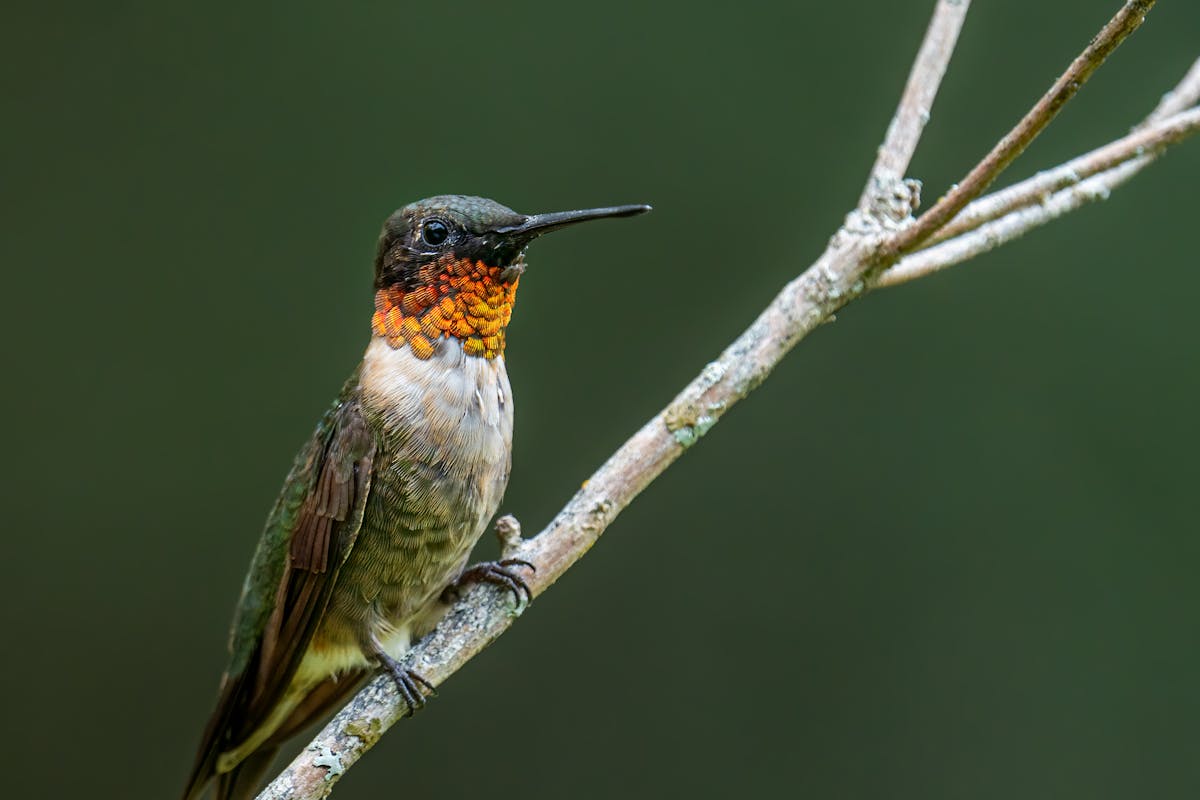
Hummingbird can Fly Backwards Interesting Facts
Hummingbirds Fly Backwards
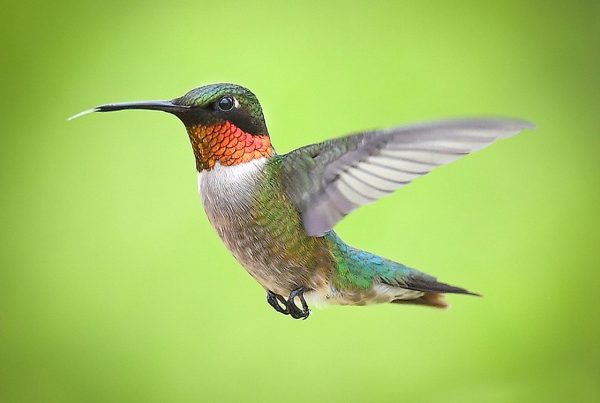
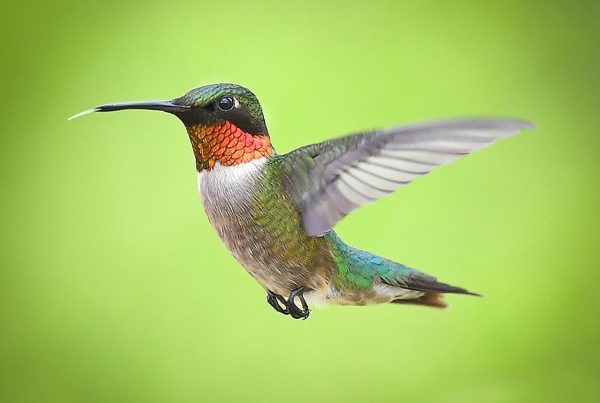
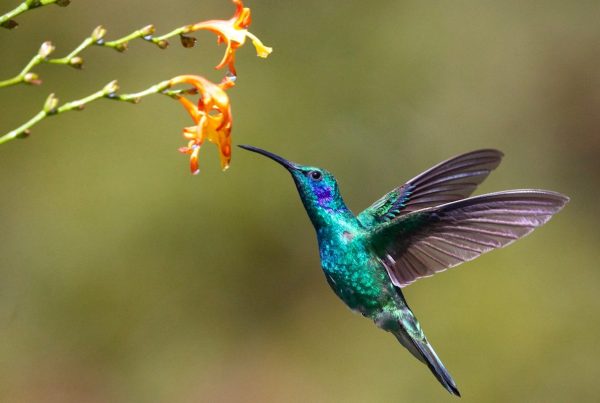
Hummingbirds are the only birds that can fly backwards. Their unique shoulder joint allows them to move their wings in a figure-eight motion. This special wing movement helps them feed efficiently on nectar from flowers. After feeding, they can easily fly backwards to their next destination.
Watch This!
This video shows how hummingbirds fly in reverse with a figure-eight motion:
Unique Wing and Shoulder Structure
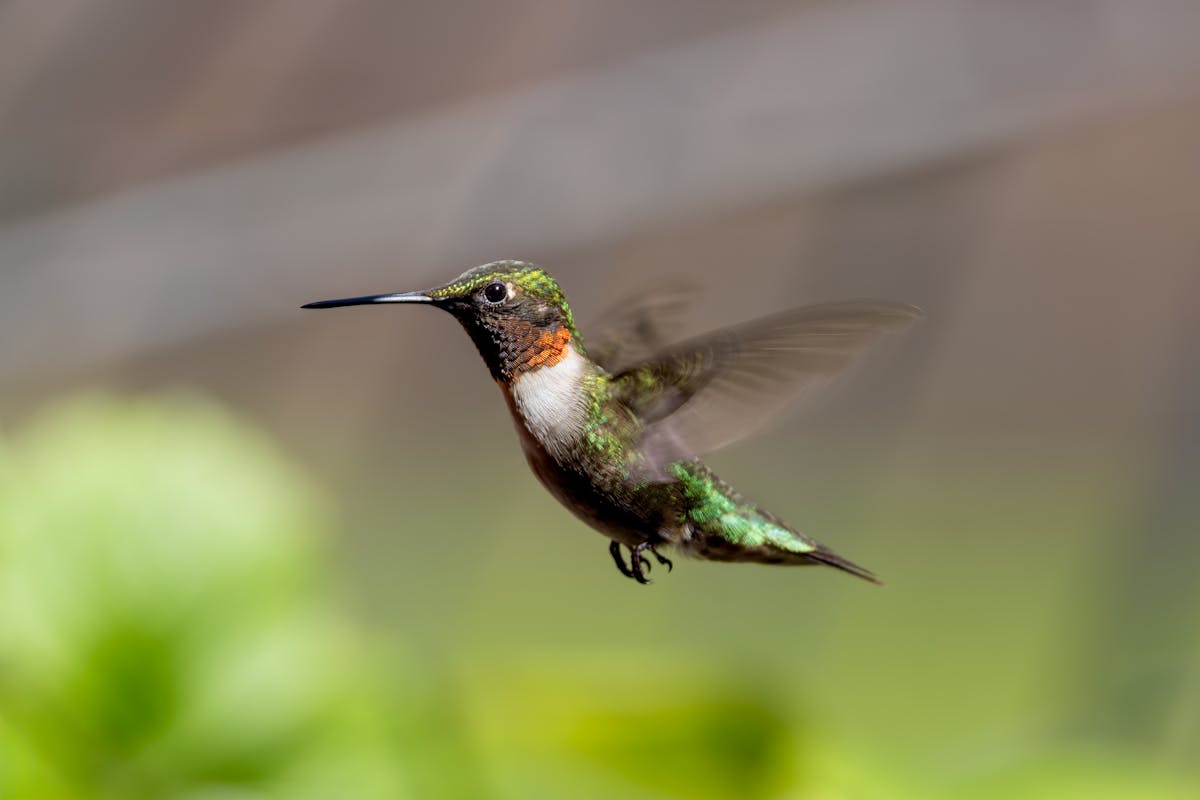
Hummingbirds stand out from other birds. They have a ball-and-socket shoulder joint that lets their wings rotate up and back almost 180 degrees. This allows them to generate lift in any direction.
Wing Movement
-
Figure-eight strokes create lift in both up and down strokes.
-
Other birds mainly rely on lift from the downstroke.
High Wing-Beat Frequency
-
Hummingbirds can beat their wings up to 80 times a second.
-
They can beat even faster during dives, which helps them perform aerial tricks.
Practical Advantage
Flying in reverse helps hummingbirds escape predators and quickly move to the next flower without turning around.
Fun Facts About Hummingbirds
Here are five fascinating facts about hummingbirds:
-
They are the only birds that can fly backwards.
-
Their wings beat up to 80 times a second.
-
Their heart rate can reach 1,260 beats per minute.
-
They have the fastest metabolism in the animal kingdom, consuming up to twice their body weight in nectar daily.
-
Their nests are made from spiderwebs, which expand as the chicks grow.
Unique Flight Capabilities
Hummingbirds can fly in any direction: up, down, forward, and backward. Their figure-eight wing strokes allow them to hover and zip around easily.
Extreme Metabolism
Hummingbirds need to eat constantly due to their high metabolism. They often consume twice their body weight in nectar daily to sustain their energy.
Rapid Heart Rate
A hummingbird’s heart can beat up to 1,260 beats per minute to support its fast metabolism.
Remarkable Memory and Senses
Hummingbirds have excellent memories. They remember every flower they visit and when they last visited it. Though they have small brains, they excel in vision and hearing.
Tiny, But Mighty Nests
Female hummingbirds build nests the size of a golf ball.
-
Nests are made from soft plant down, lichens, and spiderwebs.
-
Spiderwebs help the nest expand as the chicks grow.
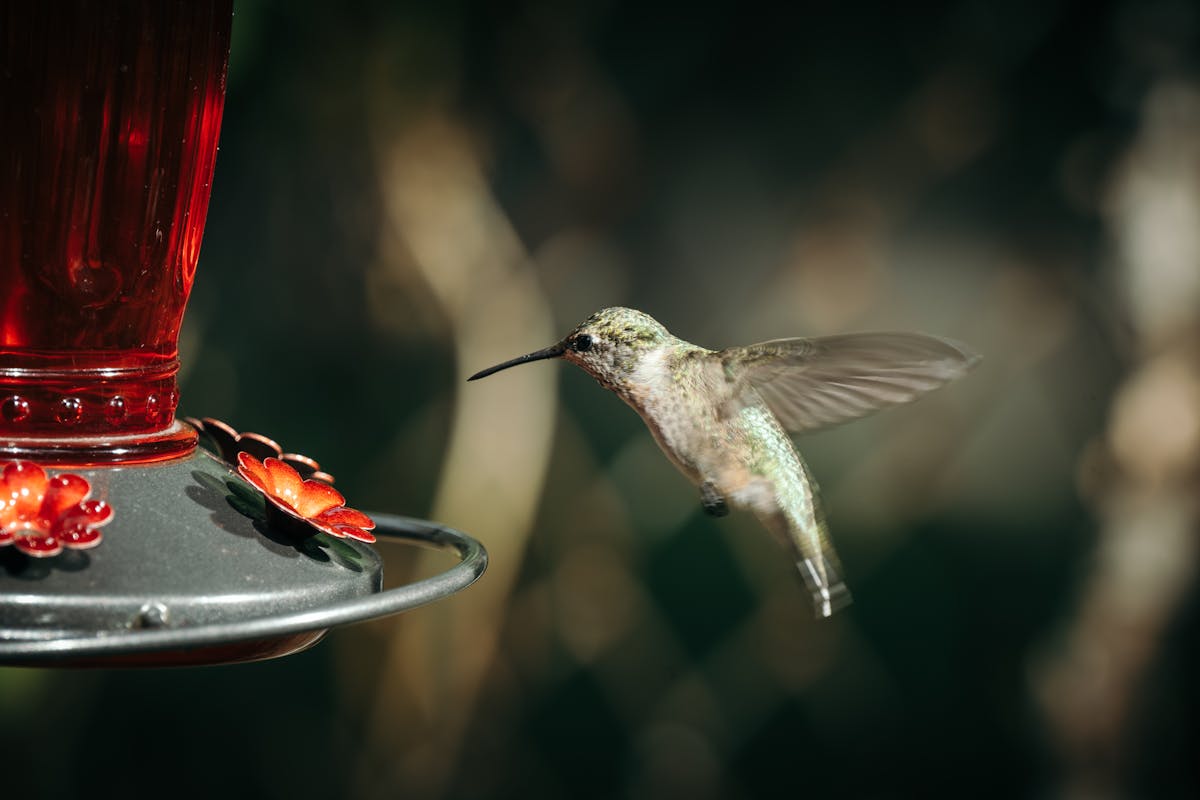
Hummingbird can Fly Backwards Interesting Facts
Do Hummingbirds Ever Stop Flying?
The Myth
It’s a myth that hummingbirds never stop flying.
They Can Land
-
Hummingbirds can perch to rest, feed, or preen.
-
They shuffle sideways to move along perches.
They Enter Torpor
To save energy, especially at night or in cold weather, hummingbirds can go into a state called torpor.
Long-Distance Flight
Some hummingbirds, like the Ruby-throated hummingbird, can migrate long distances without stopping.
Amazing Aerial Acrobats
Hummingbirds are skilled fliers. They can fly backwards and upside down! Their ultra-rapid metabolism allows them to perform incredible aerial tricks.
How Hummingbird Wings Work
Hummingbird wings are unique. They must beat their wings over 50 times per second to stay in the air. Unlike other birds, they cannot glide.
Lift in Two Directions
Hummingbirds achieve lift both forward and backward by beating their wings in a figure-eight pattern.
Hummingbird Anatomy
Hummingbirds have weak feet and rely on flying to move. Their pectoral muscles account for about 30% of their body weight. This helps them be more efficient in the air.
Why Do Hummingbirds Fly Backwards?
Hummingbirds mainly feed on nectar. Their ability to fly backwards allows them to quickly access flowers and retreat easily.
Other Birds That Can Fly Backwards
Hummingbirds are unique, but some hummingbird moths can also hover and sip nectar.
-
Moths have six legs and antennae, while hummingbirds have two legs and feathers.
Discover more about these amazing creatures and their incredible flying abilities!

MD Imdadul Haque is the founder of BirdzFly, a research-backed resource on North American backyard birds. Drawing on years of independent study into bird identification, behavior, and migration patterns, he writes in-depth guides designed to help US birders understand the species in their own backyards — from common feeder visitors to seasonal migrants passing through.