
Hummingbird Mint
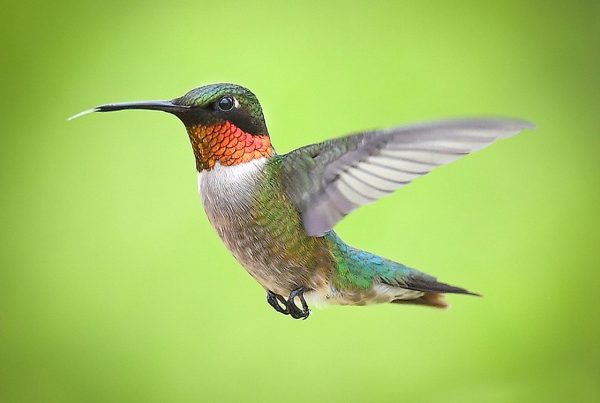
Hummingbird mint — botanically Agastache — isn’t actually a mint, though it’s in the mint family. What matters is that it produces dense spikes of tubular flowers over an unusually long season, the flowers are exactly the shape and color hummingbirds look for, and it does all this in conditions where other plants struggle: hot, dry, and exposed.
It’s one of the more reliably useful hummingbird plants you can grow, and it’s genuinely low-maintenance once it’s established.
Why Hummingbirds Use It So Heavily
Agastache checks every box:
- Tubular flowers — the shape fits a hummingbird’s bill while keeping shorter-tongued insects from easily accessing the nectar
- High nectar production — produces nectar continuously throughout the day, not just in the morning
- Red, orange, and pink colors — the wavelengths hummingbirds are most drawn to
- Long bloom season — most varieties flower June through October, covering the entire hummingbird season including the critical late-summer fueling window before migration
That last point matters more than people realize. By August, most spring-blooming plants are done. Hummingbirds are building fat reserves for migration and need reliable nectar sources. Agastache keeps going when other plants have checked out.
Varieties Worth Knowing
Agastache rupestris (Sunset Hyssop)
Orange and pink flowers, extremely drought tolerant, native to the Southwest. One of the best performers in hot, dry gardens. Blooms July through frost.
Agastache cana (Texas Hummingbird Mint)
Deep pink to rose-red, native to Texas and New Mexico. Very drought tolerant, long blooming, consistently preferred by Ruby-throated and Black-chinned Hummingbirds. Blooms July through October.
Agastache aurantiaca (Apricot Sprite)
Soft apricot-orange flowers, compact growth around 18 inches. Works well in containers. Blooms all summer.
Agastache ‘Blue Fortune’
Blue-purple flowers, taller, cold hardy to Zone 4. Attracts hummingbirds but also bees and butterflies. Good for northern gardens where the southwestern species may not overwinter.
Agastache foeniculum (Anise Hyssop)
Native to the northern US and Canada. Purple flower spikes, anise scent, cold hardy to Zone 4. Less intensely preferred by hummingbirds than the southwestern species, but still attracts them and supports native bees heavily.
Growing It
Hummingbird Mint
Sun
Full sun — at least 6 hours of direct light daily. It can tolerate partial shade but produces fewer flowers and becomes more susceptible to fungal issues in moister, shadier conditions.
Soil
Well-drained soil is non-negotiable. Agastache is native to dry, rocky habitats. Clay soils that stay wet through winter will kill most varieties. Amend heavy soils with grit or coarse sand, or plant in raised beds. Sandy and loamy soils are ideal.
Water
Regular watering during the first growing season to establish roots. After that, most varieties are drought tolerant and need little supplemental water. Overwatering is more likely to kill Agastache than underwatering — that’s worth remembering when you’re tempted to baby a new plant.
Hardiness
Most varieties are hardy in Zones 5–10. Southwestern species are more heat tolerant and less cold hardy. In borderline zones, plant in a sheltered spot with excellent drainage — wet cold is more damaging than dry cold.
Pruning
Cut back by a third in midsummer if plants get leggy — it encourages a second flush. Cut to a few inches above the ground in late fall. Leave some seed heads over winter for birds.
Getting the Most From It
Single plants attract hummingbirds. Groups of three to five keep them. Hummingbirds patrol large flower patches as territories — a mass planting of Agastache is big enough to anchor a feeding route. Plant it where you can see it from a window. Hummingbirds return to it throughout the day, and it’s worth being able to watch.
FAQ
What is hummingbird mint?
The common name for Agastache — flowering perennials in the mint family that produce tubular flowers in red, orange, pink, and purple, visited heavily by hummingbirds.
Does it actually attract hummingbirds?
Consistently, yes. High nectar production, tubular flowers, and a long bloom season make it one of the most reliably used hummingbird plants available.
Is it easy to grow?
Yes, once established. Full sun, well-drained soil. Drought tolerant. Deer resistant. The main way to kill it is wet, poorly drained soil.
When does it bloom?
June or July through October for most varieties — covering peak hummingbird season and the late-summer migration fueling period.
For more on hummingbird plants, see our guide on 15 flowers that attract hummingbirds and our post on why hummingbirds fight at feeders.

MD Imdadul Haque is the founder of BirdzFly, a research-backed resource on North American backyard birds. Drawing on years of independent study into bird identification, behavior, and migration patterns, he writes in-depth guides designed to help US birders understand the species in their own backyards — from common feeder visitors to seasonal migrants passing through.