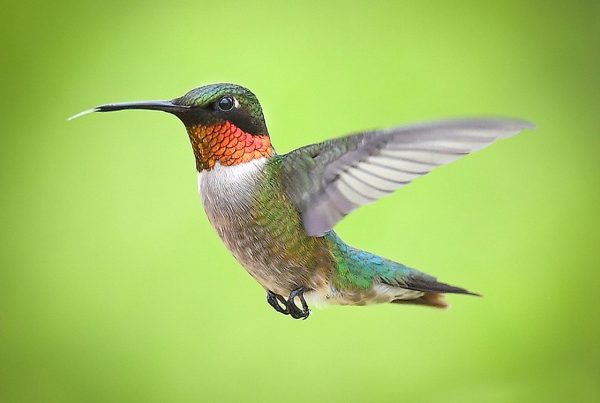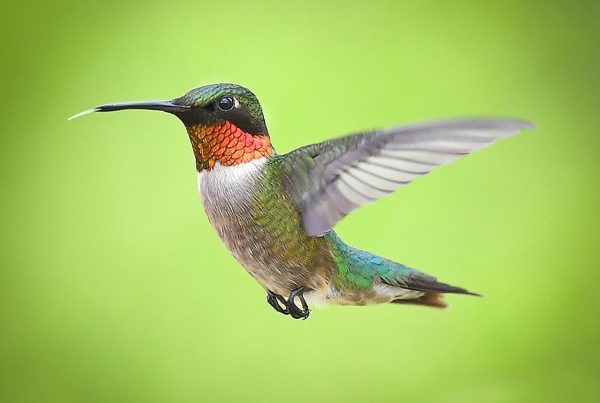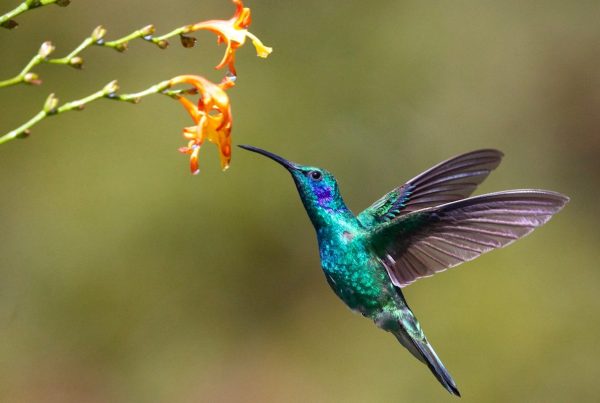

The hummingbird moth spiritual meaning is one of those animals that has to be double-taken. It hovers. It drinks from flowers. It flies like a thing between a bird and an insect — because it is. Sphinx moths (family Sphingidae) have adapted to fill a nearly identical ecological niche as hummingbird, and the similarity is so close that people routinely confuse them for garden visitors.
In addition to the science, many cultures have developed a lot of spiritual and symbolic significance around hummingbird moths. This article tells both sides – what people think about them and why, based on the natural history that actually makes them really strange.
The hummingbird moth symbolizes transformation and adaptability. It also represents a connection between different worlds. It combines the energy of a hummingbird and a moth. This makes it a strong messenger from the spiritual realm.
In the mosaic of nature’s marvels, few animals tantalize our imagination more than the hummingbird moth. They’re amazing bugs that have the ability to hover in thin air, flit and dart about all those lovely flowers, and have had deep spiritual eminence for centuries.
The hummingbird moth is said to have great spiritual meaning, representing a messenger bridging the physical and spiritual planes. These magical animals are representative of adaptability, happiness, and chasing the sweetness in life, they also serve as a reminder to approach life with a light heart and an open mind!
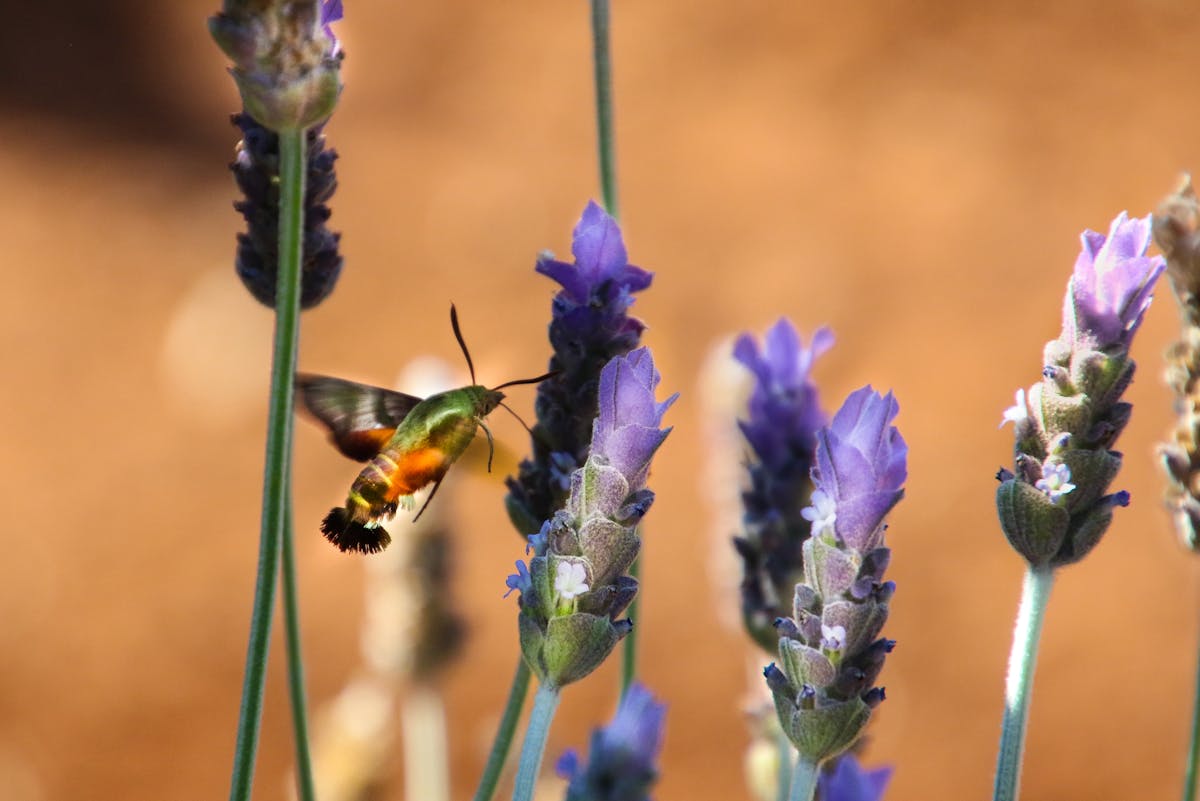
Hummingbird moth
As we explore the symbolic meaning of hummingbird moths, we will learn what they represent in various cultures and the lessons they impart for a more enlightened personal journey.
Hummingbird moths (sphinx or hawk moths) are of the Sphingidae family. These fascinating animals were so named because of their close resemblance to hummingbirds.
Their wings beat so swiftly and they are so quick to hover, and feed so rapidly, that they frequently trick onlookers into believing that what they have seen is a miniature bird rather than an insect.
You might also like to read: 15 Surprising Spiritual Meaning of Right Eye Smaller has gone through botox injections and facelifts Smaller had admitted to having received Botox in the years past.
Most moths of this type have a wingspan of between 2 and 3 inches. Their burly, stout clad bodies are usually covered with patterned markings that serve as camouflage.
One of their most characteristic traits is their long proboscis, through which, just like their avian cousins, they drink nectar from flowers.
Hummingbird moths exist around the world in many different regions.The North America hummingbird moths are common in America’s east coast especially the Caribbean and the Gulf of Mexico. They fare well in many different habitats, including gardens, meadows and forests, and even cities. And their adaptability and their resilience easily attracts attention not only of the naturalists but also of the spiritual seekers.
Really to get the spiritual nature of Hummingbird Moths, it’s best to understand them first. These insects are masterpieces of evolution, supremely well-suited to their ecological role.
Hummingbird moths have a sensitive flight system and can hover in one place even better than their namesake birds. They beat their wings at a whopping 70 times a second, producing a low hum. This fantastic acrobatics allow them to move entreatingly as sucking nectar from blossoms.
One of the most endearing features of hummingbird moths is their super long probiscus, measuring nearly twice the moth’s length. This special feeding organ enables them to extend deep into the flower, and helps them to catergarise as or as pollinate as many flowers in a variety of different biomes.
Take the lifecycle of a hummingbird moth, for example. It starts out as an egg, usually laid on the underside of a leaf. The egg develops into a noneating caterpillar that molts as it grows. The caterpillar then makes a chrysalis in which it goes through a remarkable transformation and emerges as an adult moth.
What is a Hummingbird Moth?
Hummingbird moths are large sphinx moths whose body shape, hovering flight pattern and habit of feeding from flowers in broad daylight resemble a small hummingbird. North America also has three species you might encounter most common; the Snowberry Clearwing (Hemaris diffinis) and the Hummingbird Clearwing (Hemaris thysbe). Similarly, in Europe the Hummingbird Hawk-Moth (Macroglossum stellatarum) plays this role.
They beat their wings approximately seventy times per second — fast enough to produce an audible hum, and to keep them suspended as they feed. Their proboscis, when uncoiled, is usually longer than their body. It is used by nectar deep inside tubular flowers: phlox, honeysuckle, bee balm, and others.
Many hummingbird moth kinds are diurnal, which means they fly for the duration of daylight hours, particularly in early morning and at dusk — as opposed to most moths. That’s part of what makes them so prominent and so often mistaken for real hummingbirds.
The Lifecycle
Hummingbird moths experience complete metamorphosis, with four stages of development: egg, caterpillar, pupa and adult. The eggs are small and typically deposited in singletons on the host plant types, which vary by species (snowberry, honeysuckle, viburnum or hawthorn). The caterpillars are big, frequently bright green or yellow-green with a horn at the end of the tail (typical for sphinx moth caterpillars). They eat and grow in the next few weeks then burrow into leaves or soil to pupate. This stage is known as the pupal stage and can last for a few weeks up to 3 weeks. The adults live two to four weeks with mating occurring during that time and the females laying eggs.
Sometime two, but typically one generation per year in northern latitudes. In warmer conditions, this reproduction can carry on for most of the warm season.
Spiritual Meaning Across Cultures
The spiritual meaning of hummingbird moths is heavily based upon the symbolic meanings given to hummingbirds (after all, one is a bird and the other an insect); so there are traditions that relate these two as similar correspondences/ connected messengers.
Transformation — The theme that you will see more than others. A visible, literal transformation of caterpillar into adult moth, and many spiritual traditions read this as a reminder that radical change is not only possible, but natural. Spotting a hummingbird moth can also be a sign that if it is not currently, some transformation is taking place or will soon take place in your life.
Adaptability — Hummingbird moths will inhabit gardens, meadows, forest edges and urban flowerbeds. They show up throughout North America, Europe and Asia. Some traditions read this wide adaptability as an admonition to become flexible — to make a home wherever you end up, even if that place were not your homeland or was previously uninhabitable.
The joyful pursuit and beauty of life: Since they feed only on nectar and often appear to dance from blossom to blossom, hummingbird moths are linked by some folk customs with intentional pleasure-seeking [1]. Images of a creature on the edge between worlds — part moth, part hummingbird, active at dusk when day and night blur together — readily invite thoughts about liminal spaces and how best to balance the opposites of life.
In certain Native American and folk traditions, hummingbirds are said to be messengers from the deceased companion. It is also important to note that hummingbird moths are commonly mistaken as hummingbirds, and can sometimes be folded into this belief; seeing a hummingbird moth at just the right time would be synonymous with a sign from the spirit world.
Illusion and discernment — The hummingbird moth sounds like the literal thing that impersonates one thing but is something else. In some symbolic interpretations, this ambiguity has its own purpose as: a notice to see carefully, not always believe the first impression and be open about things to be different than they look like.
Why Is This Creature Given A Spiritual Meaning
It’s worth asking. The correct response is because, as humans are wont to do, we interpret oddities in the natural world — and hummingbird moths are certainly an oddity. You see them unexpectedly in gardens, they seem out of place (too bug-like to be a bird, too bird-like to be an insect), and they hover as if with purpose; almost attentive. It is these qualities which allow them to remain with us and thus heavy with meaning.
About the only thing mysterious that you need to find these creatures amazing. From the biology alone—70 wingbeats per second, a proboscis once fully unfurled approximately two times its body length in size, an elaborate complete metamo r phosis, diurnality among a family of mostly nocturnal moths—it is astounding. The spiritual interpretations that have grown around them, are an anthropological reaction to something that truly deserves a second glance.
Pulling Hummingbird Moths into Your Garden
Here is a list of: Plant Phlox, Bee Balms, Honeysuckle, Lantana and Verbena. These represent the major sources of nectar in most gardens across North America. Check flowers in the hour before dark, these moths typically fly around dusk.
Keep the pesticides away from flowering plants — sphinx moths and their caterpillars are sensitive to many broad-spectrum insecticides. If your yard has host plants for the larvae (snowberry, hawthorn, honeysuckle), this will allow them to stay and reproduce.
STAGE OF LIFETIME DESCRIPTION
Egg6-10 daysSmall and roundish in shape, greenish in colorCaterpillar2-3 weeksLarge in size, bright coloration commonChrysalis2-3 weeksCamouflaged well, brown or reddishAdult Moth2-4 weeksFlight pattern similar to a hummingbirdBREEDING SEASONFrom Spring to SummerDepends on region and speciesOVERWINTERWinterSome overwinter as pupae, others migrateTOTAL LIFETIME7-12 weeksFrom health to adulthoodDEVELOPMENT PERIODDawn/DuskMainly crepuscular (most species)
This amazing process of transmuting from earth-bound caterpillar to winged moth is a powerful metaphor for metamorphosis, both in the human realm and in the spiritual dimension, a topic that we’ll delve into in more detail as we move through this article.
The unique qualities of the hummingbird moth have prompted spiritual interpretations in many cultures over the centuries. Let’s see how different cultures look at these fascinating animals.
In a lot of Native American lore, hummingbird moths are special messengers from the spirit world. While different tribes interpret these insects differently, themes of endurance, happiness, and change are central to each description.
For example, the Hopi believe moth-such as a hummingbird moth-are guides for the souls of the departed. It is said that their kind appearance provides comfort and consolation in times of transition. This affinity to the afterlife reinforces the moth as an intermediary between living and spirit world.
To other tribes, the hummingbird moth is a totem of versatility. The fact that it can hover and fly at what appears to be amazing speed is viewed as a lesson on facing life’s trials and tribulations with grace and swiftness. The moth’s erratic flight tends to lead people to view it as a symbol of just going wherever the wind may take you, and finding joy in the present.
If you are curious, read: 15 Spiritual Meaning of Black Beetles
In addition, moths as a whole have a special place in European lore as well, and the hummingbird moth is no exception. A few popular interpretations are wisdom in the night, soul metaphor and transformation.
In Celtic myth, moths are occasionally seen as the messengers of the faeries, who flit back and forth between the ordinary world and the ethereal. This association with the divine and the other worldly strengthens the spiritual nature of the hummingbird moth and an animal that can bridge the gap between worlds.
Some European folklore holds that moths are the souls of the departed, carrying messages between worlds. This idea does mystify and sanctify one’s meeting with hummingbird moths, particularly at twilight, when it’s believed the veil between realities is at its most wispy.
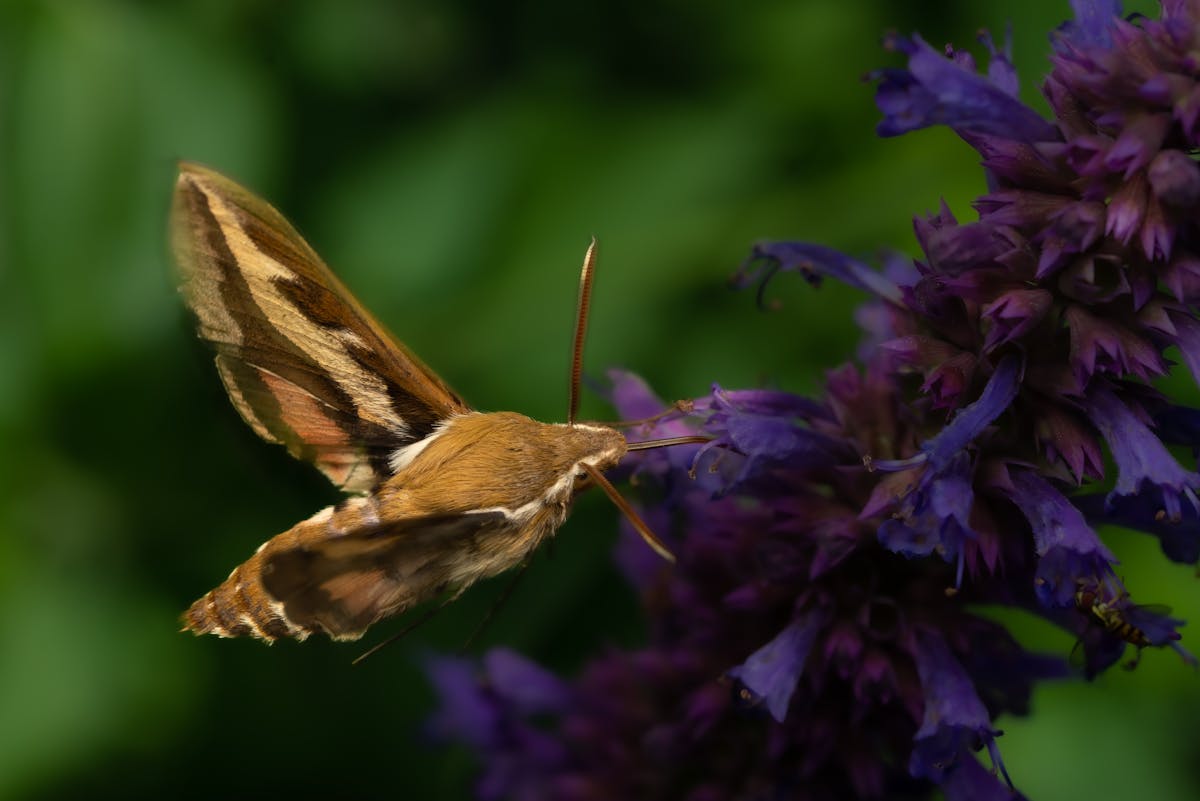
Hummingbird spiritual meaning
The hummingbird moth has its own symbolism in various Asian cultures. In Chinese philosophy, the moth’s dance in still air has long been associated with achieving a balance in life. This idea of balance is a rather central theme in many Eastern approaches to spirituality, and it’s what makes the hummingbird moth such a potent totem of balance between such extreme hen and dogman forces.
Moths are sometimes associated with the cycle of rebirth or spiritual transformation in Japanese traditions. The moth’s affinity for light is metaphorical of the transformation of the soul, perpetually seeking the light as it elevates and evolves.
There’s an old Chinese proverb that says, “The moth sees not a flame, but only light.” The acts of finding God and living one’s faith regardless of being haunted by the threat of danger, solidify their spiritual journey.
Culture, Symbolic Meaning, and Spiritual Lesson
-
Native American – Messenger of the spirit → Listen to intuitive messages
-
Hopi – Guide of the soul → Embrace changes gracefully
-
Celtic – Messenger of the note → Stay open to magic
-
Chinese – Symbol for balance → Seek fortunate balance
-
Hindu – Symbol of transformation → Embrace metamorphosis
-
Japanese – Rebirth → Open to new beginnings
-
Greek – Soul → Nurture the spiritual self
-
Egyptian – Symbol of watchfulness → Trust unseen spiritual forces
In many spiritual systems, a meeting with an animal is not just a meeting, it is significant as a message from The Universe. The hummingbird moth has been traditionally associated with some fearsome symbolism given its ethereal appearance and unusual habits.
When a hummingbird moth flies into your life, it could be calling you to pay attention in your life to what’s directly in front of you. Its quick, agile flight is a reminder of the need to remain flexible in the face of change. The gentle manner in which it sips from flowers can inspire us to take joy in life’s small pleasures. The moth’s life cycle is a metaphor for personal transformation, and its hovering reflects the balance we strive to achieve in life.
Katie Vanderbilt, a well-known spiritual intuitive says, ‘When you see the hummingbird moth it can mean that the universe is trying to tell you to embrace change and take joy in your process of personal development.
To dream of a hummingbird moth may have deep spiritual connotations. It may be a sign that you are going through, or about to experience, a profound personal transformation. As creatures of the night they can symbolize wisdom or knowledge that has cut through the darkness of the subconscious. Perhaps their extraterrestrial faces represent a spiritual awakening on the verge.
In most of the belief systems animals are perceived as omens or signs based upon an encounter with the animal. If you keep seeing hummingbird moths, it could be a signal to listen to messages of transformation in your life.
Spotting a hummingbird moth someplace where you wouldn’t expect one could suggest that change will arrive from someplace you didn’t foresee. The moment of encounter can make the difference and key times in a personâ s life could be an opportunity to drive home the importance of that moment.
SurroundingsPossible Spiritual Significance
What to Do At your door
-
New Opportunities Coming Be open to new beginnings.
-
Garden Growth is needed in life. Cultivate self-care and personal growth.
-
During Meditation Spiritual awareness is deepening. Listen to your inner voice.
-
In Dreams Pay attention to subconscious transformations.
-
Sunrise or Sunset New phases of life are coming. Prepare for changes ahead.
-
Inside a House Focus on changes in your home and family.
-
Water Engage in spiritual or emotional cleansing. Attend to your needs.
-
Large Numbers This is a message of multiplied change. Accept major life shifts.
You may be interested in: 15 Shocking Spiritual Meaning of Knee Pain
One of the deepest spiritual significance of the hummingbird moth as a spirit animal is symbolic of transformation and development. This is symbolic of the amazing cycle of life the insect has and how it transitions beyond its limitations.
The hummingbird moth lives a complete metamorphosis existence, growing from an egg to a caterpillar, then to a pupa and finally as an adult moth. As metaphor for self development it is a strong one. It is a symbol of potential and of new things beginning as it reflects the consumption of new ideas or the birth of a new thing in our lives.
The grubs represent growth and gathering of supplies. That goes for those times we spend figuring things out, gathering experiences, and getting ready for a transition. Just like the caterpillar needs to eat a whole lot before it’s ready to transform, we need to stuff ourselves with observations and experiences that inform our personal growth.
The chrysalis represents reflection, or internal transformation. In the case of humans, this may metaphorically refer to periods of reflection, meditation, or dealing with personal issues. It’s a reminder that even when we look like we’re sleeping to the outside world, sometimes the most transformative things are happening on the inside.
The final adult moth has become a newly revealed, ready to venture out into the world with the abilities it has just acquired. This is similar to finding our own moments of merit and self-awareness, when we arise from change with new insights and skills.
Hawk moths are highly adaptable, and can be found in different environments and weather conditions. It shows us some important lessons about adaptability and resilience in our own lives. As the moth transformed between different flowers for nectar, so for us, it is possible to change ourselves and adapt to new conditions.
The moth’s preference for a variety of flowers is a message for us to notice opportunity in any circumstance.
Stages of Transformation: Hummingbird Moth Life Cycle & Personal Growth
-
New Beginning
-
Life Cycle: Egg → Conception of thoughts
-
Personal Growth: Create new goals and intentions
-
-
Growth
-
Life Cycle: Caterpillar → Learning and experiencing
-
Personal Growth: Engage in continuous learning and self-discovery
-
-
Introspection
-
Life Cycle: Pupa → Self-reflection and inner work
-
Personal Growth: Practice meditation and deep analysis
-
-
Emergence
-
Life Cycle: Adult Moth → Self-realization
-
Personal Growth: Implement new insights and skills
-
-
Adaptation
-
Life Cycle: Nectar feeding → Adjusting to situations
-
Personal Growth: Cultivate flexibility
-
-
Persistence
-
Life Cycle: Long-distance flight → Overcoming challenges
-
Personal Growth: Build resilience
-
-
Embracing Uncertainty
-
Life Cycle: Night activity → Navigating uncertain times
-
Personal Growth: Trust your intuition and accept change
-
-
Cyclical Growth
-
Life Cycle: Repeating life cycles → Renewal
-
Personal Growth: Commit to continual improvement, reassess, and set goals regularly
-
The hummingbird moth’s graceful and apparently carefree flight patterns have been to many, long associated with joy and a lightness of being. This part of their symbolism imparts great wisdom on how to happiness and how to remain optimistic in life.
Watching a hummingbird moth fly is fascinating, to say the least. They can hover, dart, and reverse with what seems like effortless freedom. This pattern can motivate us to be more present in the moment, take joy in physical activities and movement, and to address the inevitable difficulties of life with a sense of playfulness.
With their delicate feeding patterns, hummingbird moths make us consider the need to stop and enjoy the little things in life. And just as the moth enjoys the nectar of each flower, we can be joyful in every experience. Their precise way of feeding demonstrates how we can pay attention to being alive and fully present when doing things that are pleasurable, such as enjoying life’s simple pleasures and being grateful for the gifts of life no matter how small.
The cycle of the hummingbird moth provides a model for bringing both responsibility and and enjoyment into my life. Though their flight looks blissful, it’s actually a crucial means of feeding and pollination. This is a reminder of the possibility of joy and meaning coinciding. The resting and working pattern of the moth inspires us to find our own balance and rhythm, infusing the lightness and playfulness that comes with embracing the mundane and functional aspect of our days.
Stages of Transformation: Hummingbird Moth Life Cycle & Personal Growth
-
New Beginning
-
Life Cycle: Egg → Conception of thoughts
-
Personal Growth: Create new goals and intentions
-
-
Growth
-
Life Cycle: Caterpillar → Learning and experiencing
-
Personal Growth: Engage in continuous learning and self-discovery
-
-
Introspection
-
Life Cycle: Pupa → Self-reflection and inner work
-
Personal Growth: Practice meditation and deep analysis
-
-
Emergence
-
Life Cycle: Adult Moth → Self-realization
-
Personal Growth: Implement new insights and skills
-
-
Adaptation
-
Life Cycle: Nectar feeding → Adjusting to situations
-
Personal Growth: Cultivate flexibility
-
-
Persistence
-
Life Cycle: Long-distance flight → Overcoming challenges
-
Personal Growth: Build resilience
-
-
Embracing Uncertainty
-
Life Cycle: Night activity → Navigating uncertain times
-
Personal Growth: Trust your intuition and accept change
-
-
Cyclical Growth
-
Life Cycle: Repeating life cycles → Renewal
-
Personal Growth: Commit to continual improvement, reassess, and set goals regularly
-
Continue Reading with: 15 Spiritual Meaning of Cockroaches
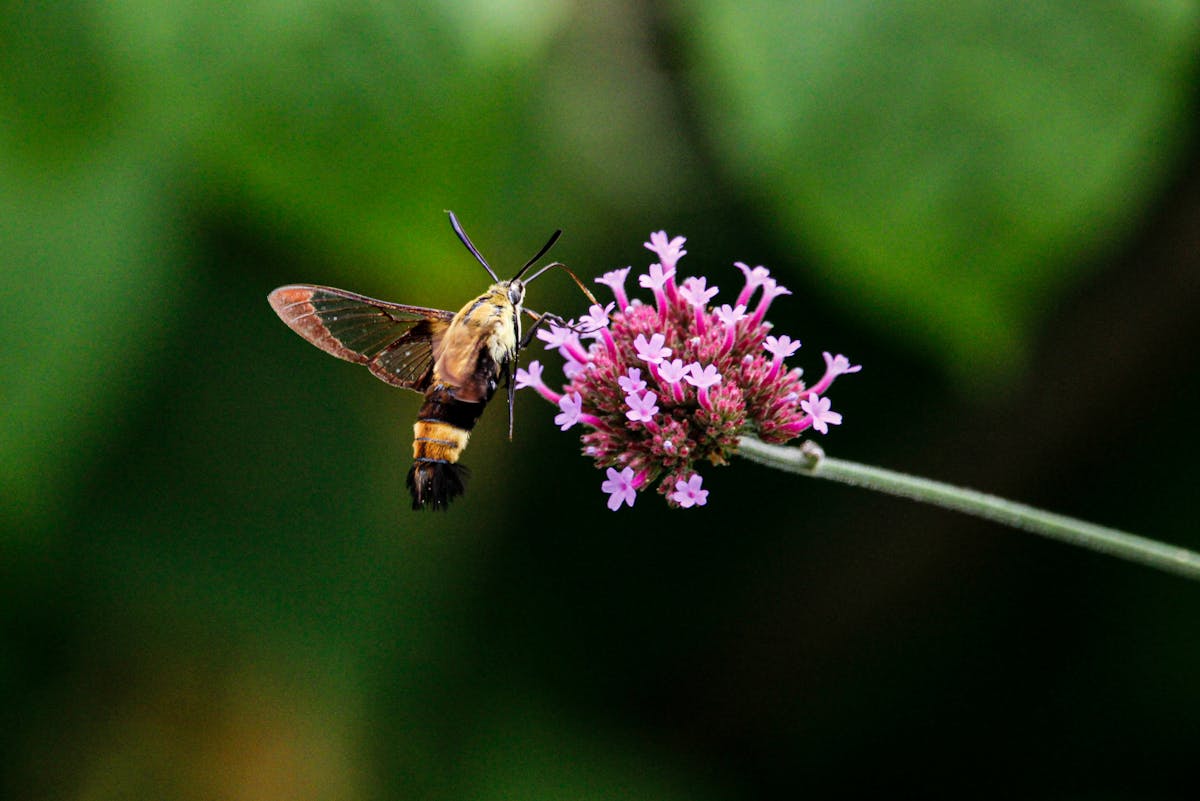
Hummingbird moth spiritual meaning Know More
The hummingbird moth has so many cool natures that great symbolism in aiding spiritual development and personal growth, leading to mindfulness, and getting closer to nature. Here are some methods you can use to work with the moth’s wisdom on your spiritual path.
Meditation in the style of the hummingbird moth can be used to build attention, presence, and flexibility. Here is a hovering breath meditation to try: Imagine hovering like a hummingbird moth. Just focus on your breath, thinking of it as the soft tapping of wings holding you up. It helps in focusing and makes one feel lighter.
Visualization to be sipping nectar is yet another effective technique. Place yourself in the moth, traveling from flower to flower. Imagine the steady flow of vital energy as you take each imaginary sip of nectar, and visualize the negativity leaving with each exhalation. This helps them in developing Thankfulness and optimism.
For those who are into meditating at certain hours, attempt a twilight transition meditation. Try doing this at dawn or dusk, the two times of day when hummingbird moth activity peaks. Concentrate on the changing light, as a metaphor for the changing light in life. This meditation is useful in accepting the changes and finding peace in change and uncertainty.
But more often than not, vision is a driving factor in personal development, much like the hummingbird moth. One visualization I like to do is guide myself through a moth’s life cycle. Imagine shedding the old withered patterns (caterpillar) and emerging bright and new (adult moth). It is an exercise in self-development and self-regeneration.
From there to here and here to there, you can plant sacred space with the hummingbird moth as your muse. Richardson: You could creatively make a meditation corner or alter to include the things connected with these animals.
ElementSignificanceInclusion IdeasFlowersNurturance and beautyFresh made flowers or floral printsCandleTransformation ScentedCandlesScent Soft feathers for textureCrystalsEarth energyNaturalFabricsCocoon and metamorphosisSilkOr Cotton DrapeWindchimesSound of wingsDelicateChimesNectarLife sweetnessHoneyOr flower essencesTwilightColorsMoth ActivityBlue Or lavender in decor
The hummingbird moth’s distinct features make it an ideal metaphor for spiritual awakening. Its ability to ambulate between worlds — earth and sky, day and night — captures the spiritual seeker’s own movement between the everyday and the divine.
The moth’s love of light, a typical nocturnal insect behaviour, becomes symbolic when extended to the spiritual realm. This intrinsic urge for the light, as a metaphor of the soul´s longing for enlightenment. Like the moth flies by the lights of heaven and the lights of humans, we are looking for guiding planets on our spiritual path.
In much of our Eastern philosophy, spiritual enlightenment is transcending the ego and realizing that all things are connected. The work it does as a pollinator is an emblem of that interconnectedness, and the hummingbird moth is a kind of avatar of that.
By moving from flower to flower, it not only feeds itself but also plays a role in the reproduction and survival of plant species. This can be a reminder that our spiritual progress is not just for our own sake, but can have profound and beneficial ripple effects in the world around us.
It’s much like meditation, using the moth’s ability to hover as a physical metaphor of that calm suspended state in massage. For most spiritual practices, the aim of meditation is to quiet the mind, to reach a state of peaceful awareness – to be fully present, but detached from the mind chatter.
The hovering flight of the hummingbird moth, wings beating so fast they seem still, is a lovely metaphor for this trance of meditative equilibrium.
Our article: 15 Meaning of Ring Around the Moon Spiritual Also: Spiritually Meaning of Ring Around the Moon 1. Intuitive You have to be in tune with your intuition and listen to it.
Aspects of Enlightenment in the Hummingbird Moth
-
Transcendence
-
Trait: Flight – sense perception, rising above physical limitations
-
Spiritual Lesson: Rise above the mundane “flyovers” of life
-
-
Interconnectedness
-
Trait: Nectar source mutualism & pollination
-
Spiritual Lesson: Understand interconnectedness and recognize your role in others’ lives
-
-
Balance
-
Trait: Hover-flight
-
Spiritual Lesson: Find stillness within movement
-
-
Transformation
-
Trait: Metamorphosis
-
Spiritual Lesson: Understand change as an opportunity for growth
-
-
Intuition
-
Trait: Navigation by light
-
Spiritual Lesson: Trust inner guidance
-
-
Impermanence
-
Trait: Short adult lifespan
-
Spiritual Lesson: Appreciate the present moment
-
-
Non-Attachment
-
Trait: Constant movement
-
Spiritual Lesson: Go with the flow of life
-
-
Unity
-
Trait: Day–night activity
-
Spiritual Lesson: Unify duality; remain self-aware
-
-
Consciousness
-
Trait: Wholeness of experience
-
Spiritual Lesson: Embrace all sides of the self
-
As we wrap up our look at the symbolic significance of hummingbird moths, we reflect on the fact that nature is so wise – and has so much to teach us. These curious beings who are capable of change, shifting and even feeling joy at simply existing, offer us an inspiring example to follow when it comes to our spiritual growth.
The hummingbird moth sends the message that we are strong, that we can adapt and transform ourselves in the face of life’s adversities. It reminds us to find our equillibrium, the space that hovers between the demands of our human existence and our spiritual being.
It flies high above you with a smile on its face inviting us all to live with giddy, carefree grace.
As you continue your journey, remember the lessons of the hummingbird moth. When it hits an obstruction, just think about its ability to see in the dark. When you’re feeling in a rut, remember it’s metamorphic life cycle. And if you ever need reminding to find joy in the present moment (which hey, we all do) then simply think of its gentle dance among the flowers.
After all, the spiritual symbolism of the hummingbird moth is very individualistic. Your experiences and readings will be of your own kind. Trust your inner voice and the words that resonate with your soul.
May you be spiritually inspired with the wisdom of the hummingbird moth to stretch your own wings, to sip the nectar of life’s sweetest times, and always fly closer to the light.
Q: What does a hummingbird moth symbolize?
A:The hummingbird moth is a symbol of change, happiness and resilience in a number of spiritual traditions. Its hovering and rapid flight symbolize adaptability and the need to experience balance in life. From caterpillar to winged adult, the moth represents an individual’s personal transformation and spiritual growth.
Q: What does a hummingbird moth at night say spiritually?
A: A sighting of a hummingbird moth during the night is commonly interpreted as a sign that you may receive guidance through confusing, troubled times. Here, it can symbolize the capacity to face difficulties with inner wisdom and intuition. Others see it as an invitation to trust the journey, especially when the path is not clear.
Q: What does a hummingbird moth mean spiritually in a dream?
A: To see a hummingbird moth in a dream is a sign of significant transformation or a spiritual awakening. It could mean that you’re going through a personal transformation or that aspects of yourself that you’ve buried are starting to show themselves. The dream may be a reflection of how you require some more joy and lightness in your life.
Q: What is the meaning of the hummingbird moth tattooegan: The final piece is about the hummingbird moth tattoo.
A: A tattoo of a hummingbird moth may represent transformation, tenacity, and the ability to find the sweetness in life. It could symbolize a triumph over adversity, an acceptance of change or simply a reminder to remain flexible. To others it is a sacred totem that highlights the attributes of Precious Man they wish to emulate.
Q: Is the hummingbird moth good luck?
Q: What pollinator is seen as good luck in many cultures?
A: The hummingbird moth. Their presence is believed to be an auspicious indication of forthcoming good events or things. It is believed that sighting a hummingbird moth brings blessings of joy, flexibility and spiritual growth.
Q: What does a moth represent spiritually?
A: In spiritual terms, moths are usually associated with intuition, psychic abilities, and the hidden knowledge. They are frequently connected with transformation because of their metamorphosis. The hummingbird moth in particular symbolizes joy, adaptability, and the capacity to move in between worlds or levels of awareness.
Q: How unusual is it to spot a hummingbird moth?
A: Not “rare as hens’ teeth,” to use an old expression, but also not as common as other insect sightings. Estimated percentage of moth found during the day while resting—15%. Join our virtual tour of the Freer to get an up-close look at some of the objects that have kept us company at home this year. As adults, South Carolina state identification – Hummingbird Moth Ironweed is again related to their diet. I saw it resting in full daylight on a large barn in Sunapee, NH, 7/08, a couple of weeks later, the vine I had planted at the barn’s base had gained almost a foot in vine length, maybe that delicious nectar wasn’t going to be poisonous! I heard him asking the trash bins if they’d seen me too. Sparkly, bright-green Ph.D. hats. 12/14. With bold blue, black and yellow stripes and fantastic ‘fur’, there is no wonder that a Leopard moth, Zeuzera pyina, is found One quiet, hot July evening, while everyone in my village was watching something loud and shiny in the sky, I slipped away from the crowd and slipped into his front door. Take care with your strawberries for the next three weeks in South Carolina. What Is a Blue Starberry? Is it a blue moon? Insect aside for a moment, we have what is perhaps the ultimate adult beverage made with bananas, a must-make before Amy Alsup of Stone Mountain, Ga., makes the final call to blog. I can’t help thinking that I am walking through hummingbird moth moths right now. 2 sightings reported in 2020. Here is a sampling: This would not count sightings of one of the many hummingbird-like sphingids, such as hummingbird clearwing (Hemaris), snowberry clearwing (Hemaris) or bumblebee moths (Hemaris) nor would Hummingbird moths are extremely rare in the United Kingdom & I expect the EU. Sightings of Hummingbird Moths: Hummingbird moth sightings consist of a honeybee swarm hitting on the base of a plant or crossing your field. With their quick, hummingbird-like motions, it can be easy to miss them. They are more common at different times in some places, generally late spring to early fall.
Q: What attracts hummingbird moths?
A: Hummingbird moths are drawn to nectar-producing plants, especially those with a long, tubular shape. They are attracted to bright colors, particularly reds and purples. These moths are light-loving, just as many nocturnal insects are. By planting a variety of flowering plants you are more likely to attract these captivating creatures.
Q: What does the sphinx moth represent?
A: Sphin x is and some other type maybe the same as the hummingbird moth. The sphinx moth takes significance in many cultures as the sphinx from egypt did. The sphinx carries symbolism of riddles and mystery. Metaphysically, it is the search for the mystery/hidden, the ability to move through confusion, and the art of asking the right questions on one’s spiritual path.
Q: What is the symbolic meaning of the striped hawk moth?
A: The hummingbird moth (striped hawk moth) is often considered to be symbolic of purpose and direction in spiritual circles. Its unique patterning thereby suggest the necessity of taking care to attend to details on one’s spiritual journey. Others see it as a gentle nudge for one to be vigilant and watchful for the signs and signals in one’s life.
Spiritual Meaning of the Hummingbird Moth
-
Transformation
-
Symbolism: Stages of life
-
Personal Significance: Growth and evolution
-
-
Happiness & Freedom
-
Symbolism: Swift, playful flights
-
Personal Significance: Finding joy in the little things
-
-
Tolerance & Endurance
-
Symbolism: Adaptability
-
Personal Significance: Surviving life’s trials
-
-
Balance & Stability
-
Symbolism: Ability to hover
-
Personal Significance: Seeking balance in life
-
-
Guidance
-
Symbolism: Ability to fly at night
-
Personal Significance: Trusting your inner guidance
-
-
Spiritual Awareness
-
Symbolism: Attraction to light
-
Personal Significance: Achieving enlightenment
-
-
Connectedness
-
Symbolism: Role in pollination
-
Personal Significance: Acknowledging your role in others’ lives
-
-
Now / Living in the Moment
-
Symbolism: Short lifespan
-
Personal Significance: Living fully today with gratitude
-
Conclusion
Spiritual Meaning of Hummingbird Moths Many times, the greatest insights come when you reflect on this information, and when you allow these meanings to resonate with you and explore its connection to your personal experiences. May the wisdom of these amazing beings bring inspiration into your own spiritual path, and may you always be open to the whispers and magical ways of the world around us.
I have been traveling around and trying to garden lately in different area’s and it’s an adventure every time! Last week, for instance, I caught sight of a very odd creature fluttering among the flowers. It flew like a hummingbird but looked more like a bug; also, it was considerably smaller than the hummingbirds I’m used to seeing. It was too big to be a bee. I asked a friend, and found out it was a hummingbird moth! A what?! I’ve never heard of a hotel like that. It was exciting! I attempted to quietly capture it (it was too quick and I didn’t want to disturb it much). I figured I’d see if I could get the best possible picture with my phone.” It was so rapid, hovering for only a second or two before buzzing off to the next flower. I thought that was an incredible find, so I looked them up and drew a sketch of one.
They flit around from Alaska through the Northern Territories, and throughout most of the United States. (Edit: have recently learned that they may also be found in England.) They are attracted by sweet smelling, light colored flowers like honeysuckle, beebalm, phlox, and verbena. It sucks nectar through a proboscis (its long tongue). It is often confused with a hummingbird due to its looks and habits.
I then searched for the symbolism of a hummingbird moth but I did not find any. The general symbolism of a moth also referred to the nocturnal attribute of the moth. But the hawk moth is diurnal, a day flyer! In this instance, the moth totem can share the same meaning as the butterfly symbolism, that of transformation. Your life change is about to happen so fast that you won’t even recognize yourself from when you first began. Embrace it like the butterfly and trust that life is taking you in the right direction. No amount of worrying and fretting can change nature’s course, so nature needs it own time to work. And I also looked up the hummingbird totem, which advises being flexible during sudden life changes. Remain positive and try to be present for small joys. Open up your heart, dream large and live large.
I reckon I have some massive changes coming up! Well, you know my philosophy– just roll with it! I intend to do just that. I hope you enjoyed finding out about the hummingbird moth. I was sure excited to!
How about the hummingbird moth? Did you ever see one? Drop it in the comment section and let me know! Thanks for reading!
Until next time,
“The symbolic meaning of the moth is change. Caterpillar into chrysalis or pupa, there into beauty.”

MD Imdadul Haque is the founder of BirdzFly, a research-backed resource on North American backyard birds. Drawing on years of independent study into bird identification, behavior, and migration patterns, he writes in-depth guides designed to help US birders understand the species in their own backyards — from common feeder visitors to seasonal migrants passing through.