
What does a baltimore oriole sound like
Who’s That Singing? Baltimore Oriole
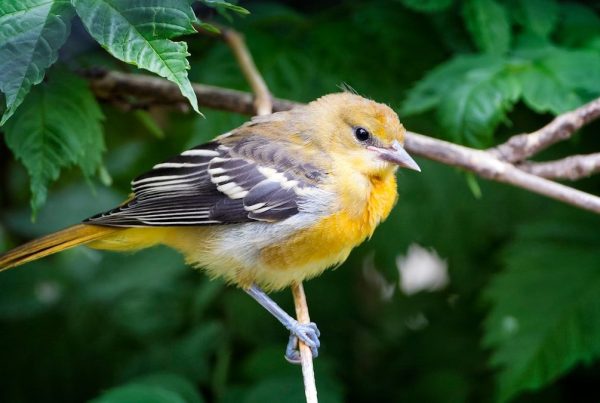
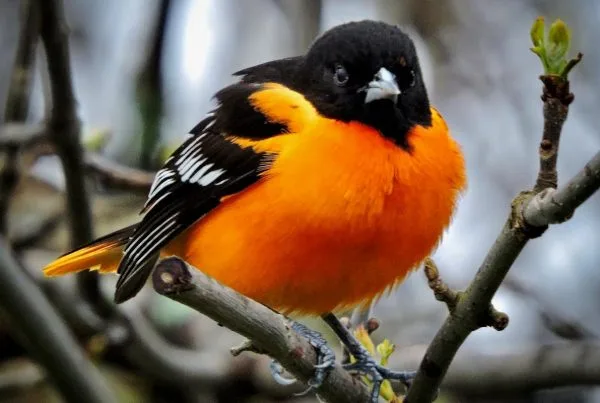
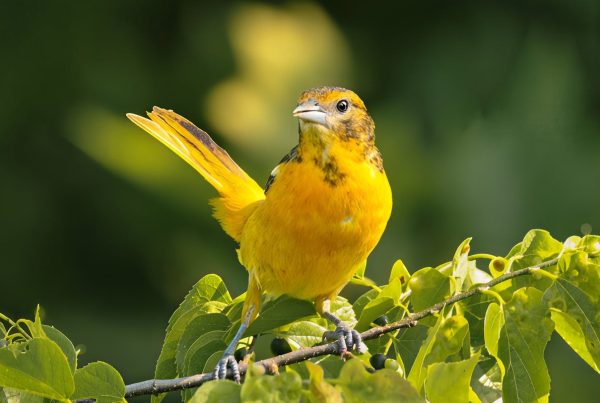
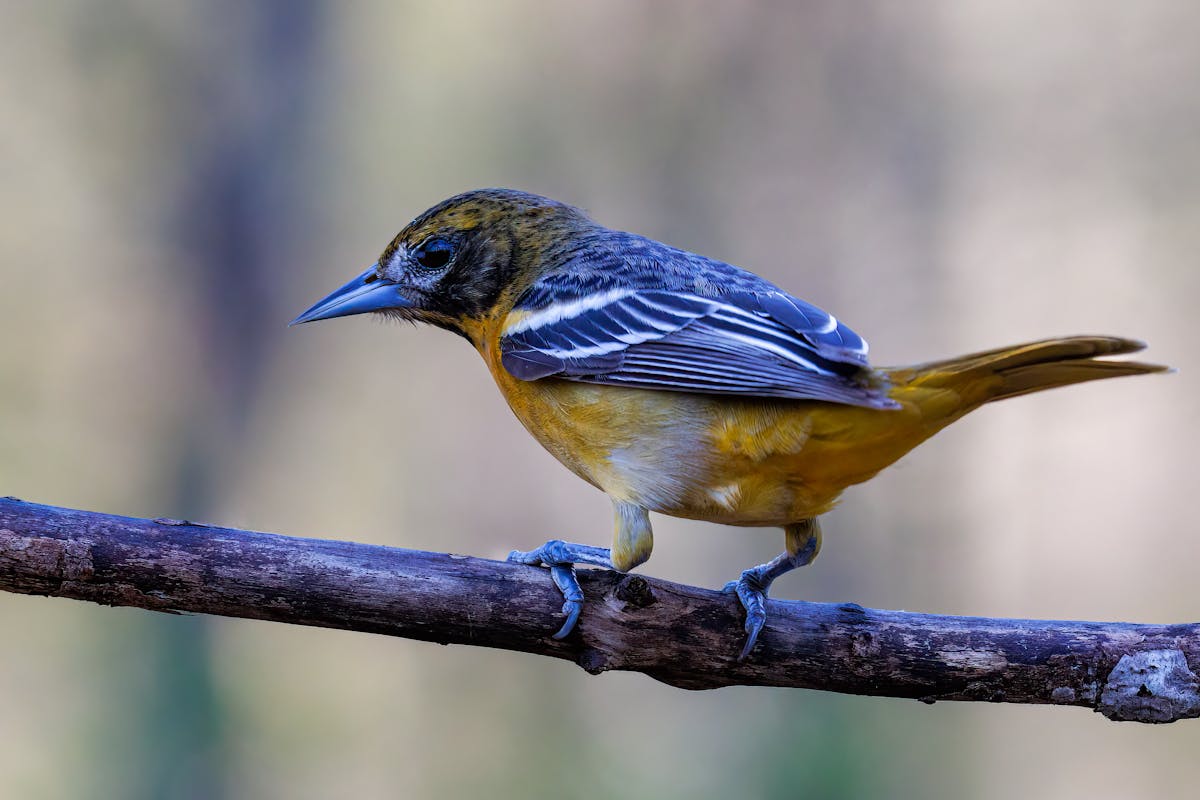
One of the most popular backyard birds is the Baltimore Oriole. It’s easy to see why! This bird is colorful, loves berries and fruit, builds amazing nests, and sings a pleasant, jolly song.
Winter Habits
Baltimore Orioles winter in Central and South America, where the climate is warm. This is one reason they benefit from shade-grown coffee and cacao farms. These farms often have the Smithsonian’s Bird Friendly® Certification.

baltimore oriole sound like
Spring Migration
In late April or early May, they head north to places like Wisconsin. There, they find:
-
Grape jelly bowls
-
Orange halves
This sweet food helps them during migration. However, during the breeding season, they need high-protein food sources, such as:
-
Insects
-
Spiders
They also enjoy nectar from flowers and are attracted to many plant species.
Sounds and Songs
Baltimore Orioles are related to other native blackbirds, like:
-
Red-winged Blackbirds
-
Meadowlarks
-
Bobolinks
You might notice similarities in their sounds. It’s fun to explore and listen for these birds!
Song
These birds often sing from high up in tall trees. Their rich whistle notes are loud and easy to hear. Males sing to:
-
Advertise their territory
-
Attract female mates
You’ll hear a mix of typical blackbird sounds in between their whistles. Females also sing, but their songs are shorter and help communicate with their mates.
Their alarm call is a quick chatter that warns other orioles about threats.
Final Thoughts
Listening for and identifying Baltimore Orioles is easy and enjoyable! What a treat to know they’re in the neighborhood! In the coming weeks, you’ll hear their rich, happy song throughout nesting season.
Who’s That Singing? is a series for participants in Birding by Ear and anyone interested in learning more!

MD Imdadul Haque is the founder of BirdzFly, a research-backed resource on North American backyard birds. Drawing on years of independent study into bird identification, behavior, and migration patterns, he writes in-depth guides designed to help US birders understand the species in their own backyards — from common feeder visitors to seasonal migrants passing through.