
Hummingbird Feeders
The most common mistake hummingbird watchers make in fall is taking feeders down too early. The logic seems sound — the hummingbirds are gone, so why keep the feeder up? — but it misses what actually happens during fall migration.
After the main population leaves your area, late migrants pass through. These are mostly juvenile birds making their first migration south. They arrive days or weeks after the adults, they’re inexperienced, and they need fuel. A feeder that was taken down the week before they arrive is a fuel stop that doesn’t exist.
The right answer is not when you last saw a hummingbird. It’s two weeks after that.
The Simple Rule
Leave your feeder up for two weeks after you see the last hummingbird of the season.
This covers late migrants in every region. After two full weeks with no sightings, the season is genuinely over for your area and you can take the feeder down for winter.
When to Take Down Feeders by Region
| Region | Last Typical Sighting | Safe Takedown Date |
|---|---|---|
| Canada | Early September | Mid September |
| New England (ME, VT, NH, MA) | Mid September | Late September–October 1 |
| Northeast (NY, PA, CT, NJ) | Late September | October 15 |
| Midwest (OH, MI, WI, MN, IA) | Late September | October 15 |
| Mid-Atlantic (VA, MD, WV, KY) | Early October | October 20 |
| Southeast (NC, SC, TN, GA) | Mid October | November 1 |
| Deep South (AL, MS, AR) | Late October | November 15 |
| Gulf Coast (TX, LA, FL) | November | December — or keep up all winter |
| Pacific Coast (CA, OR, WA) | Anna’s don’t leave — year-round | Never take down |
| Southwest (AZ, NM) | October–November for most species | November–December |
The Myth That Keeping Feeders Up Prevents Migration
This idea — that leaving feeders up in fall traps hummingbirds and stops them from migrating — is widespread and wrong.
Hummingbirds migrate in response to changing day length, not food availability. The shortening days of late summer trigger hormonal changes that drive migration regardless of whether your feeder is full or empty. A hummingbird that should leave on September 20th will leave on September 20th whether the feeder is up or not.
Leaving feeders up does not delay migration. It provides fuel for birds that are already migrating. Those are completely different things.
Why Late August and September Are Critical Feeder Weeks
Hummingbird Feeders
Late August through mid-September is actually the most important time to have feeders up and clean at most eastern US locations. Here’s why:
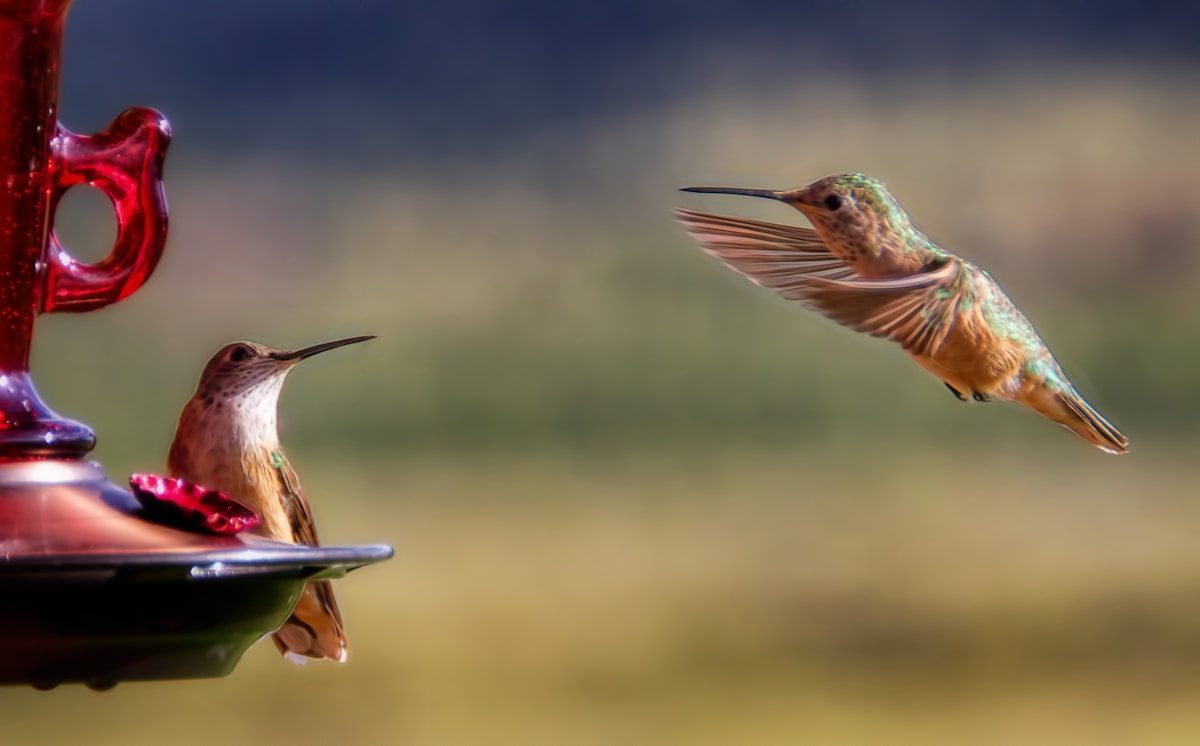
Juvenile hummingbirds — birds born that summer making their first migration — pass through in late August and September. These birds have no experience finding food on a migration route. They’re following an inherited directional sense south, and stopping at feeders is one way they fuel the journey.
At the same time, adults passing through are in hyperphagia — the intensive pre-migration feeding state where they nearly double their body weight in fat reserves. A hummingbird in hyperphagia visits feeders much more frequently than during normal summer activity.
The combination of passing adults and inexperienced juveniles makes late August the week of highest feeder use of the year at many locations — right before the visible departure most people associate with “they’re leaving.”
What to Do If You Have a Late Hummingbird
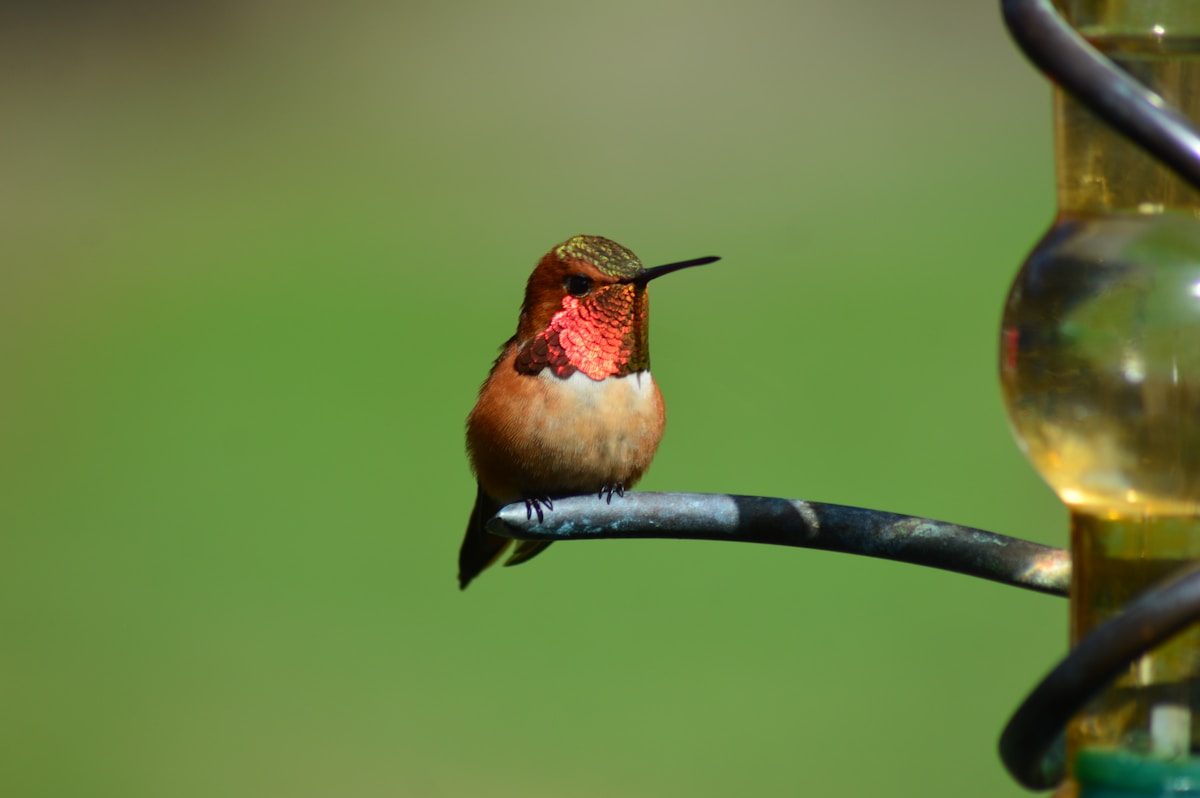
If you see a hummingbird in October or later in the northern or eastern US, keep the feeder up. This bird is either a straggler from the main migration or, more likely, a western species — almost certainly a Rufous Hummingbird — that has wandered east.
Rufous Hummingbirds regularly winter in the Gulf Coast states. Some return to the same southeastern feeder year after year. If you have a late October or November hummingbird:
- Keep one feeder up and clean
- Report the sighting to your local Audubon chapter
- Note the species if you can — the Rufous has rusty-orange flanks and a rusty tail; the Ruby-throat has a green back and white underparts
- Consider contacting a local bander — these birds are actively studied
In freezing weather, bring the feeder inside overnight to prevent the nectar from icing, and put it back out at first light.
Pacific Coast: Never Take Down Anna’s Feeders
Hummingbird Feeders
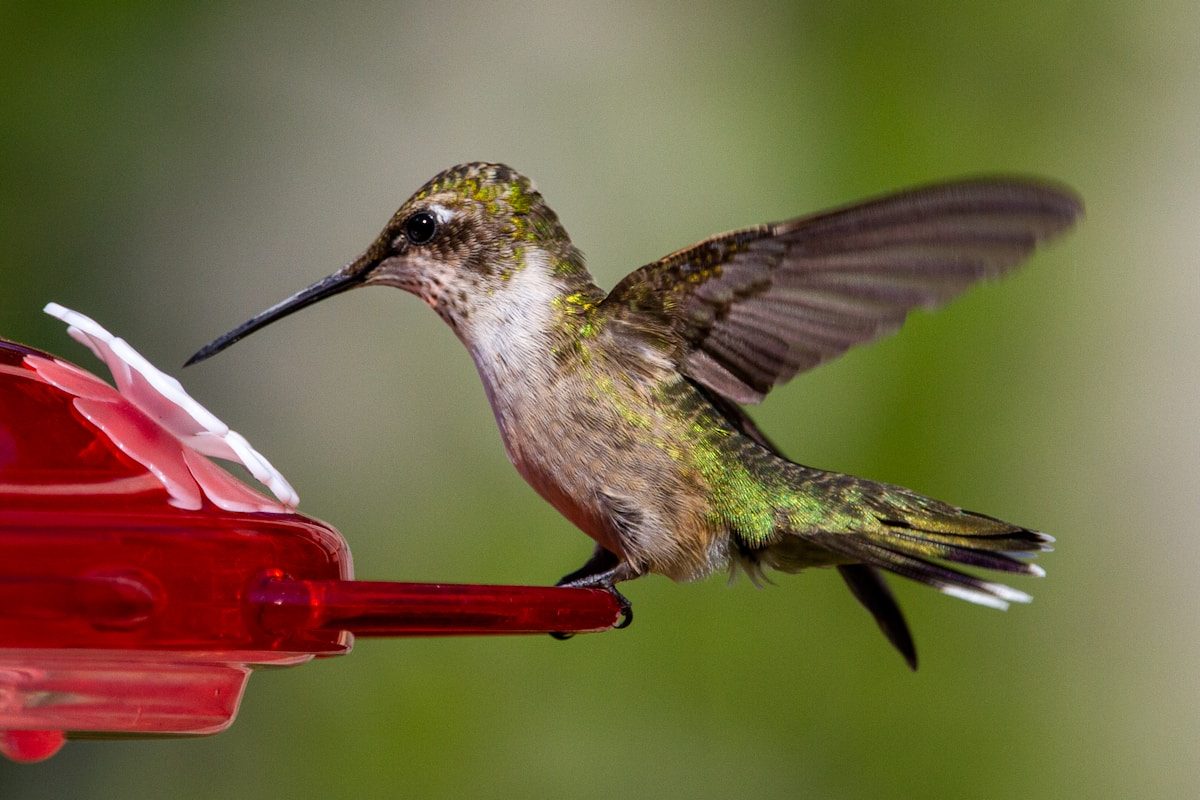
If you live on the Pacific Coast from British Columbia to southern California, Anna’s Hummingbirds are year-round residents. They don’t migrate. Taking feeders down in fall removes a food source these birds depend on through winter, particularly during cold snaps when natural food is scarce.
Keep at least one feeder up year-round if you have Anna’s Hummingbirds. In freezing temperatures, bring it inside at night or use a feeder with a built-in light or heat source.
Storing and Cleaning Feeders for Winter
When you do take feeders down for winter:
- Empty all remaining nectar
- Clean thoroughly — scrub with white vinegar, rinse completely, dry fully
- Store in a dry place indoors
- Check for cracks or damage before storing — a cracked feeder leaks when refilled
For the full cleaning process, see our guide on how to clean a hummingbird feeder.
When to Put Feeders Back Up in Spring
Put feeders out 1–2 weeks before the first expected arrival date for your region. Early-arriving males scout territory before the main migration wave — a feeder that’s already up when the first scout arrives has the best chance of establishing a returning bird.
For spring timing, see our complete spring migration timing guide by state and our 2026 spring hummingbird migration map. For fall, see when hummingbirds leave by state and hummingbird fall migration 2026.
FAQ: When to Take Down Hummingbird Feeders
When should I take down my hummingbird feeder?
Two weeks after you see the last hummingbird of the season. This covers late migrants that arrive after the main population has left.
Is it okay to leave hummingbird feeders up in fall?
Yes — and it’s the right thing to do. Late migrants and juvenile birds need fuel. Leaving feeders up does not prevent migration.
What if I see a hummingbird in October or November?
Keep the feeder up. It’s likely a Rufous Hummingbird or other western stray. Report it to your local Audubon chapter.
Should I leave feeders up year-round on the Pacific Coast?
Yes. Anna’s Hummingbirds don’t migrate and depend on feeders through winter on the Pacific Coast.
For more on fall migration timing, see our guides on when hummingbirds leave by state and hummingbird fall migration 2026.

MD Imdadul Haque is the founder of BirdzFly, a research-backed resource on North American backyard birds. Drawing on years of independent study into bird identification, behavior, and migration patterns, he writes in-depth guides designed to help US birders understand the species in their own backyards — from common feeder visitors to seasonal migrants passing through.