
Hummingbird Feeders
Linda from Missouri had low expectations when she first changed her hummingbird feeder. Her old plastic feeder had worked well for years. Sometimes, ruby-throated hummingbirds visited. She cleaned it when she remembered, and that was fine.
Then her neighbor, a retired schoolteacher who had fed hummingbirds for 22 years, gave her a glass-bottle feeder. He encouraged her to give it a try.
By the end of that first week, Linda was hosting eight hummingbirds fighting for space in her yard. By the second week, she lost count.
Most people underestimate how important the feeder is.
This guide lists the best hummingbird feeders of 2026. It covers which feeders to consider, who each one is best for, and what to avoid. No filler. Just honest recommendations based on real experience.
What Separates a Good Hummingbird Feeder From the Rest
Here are some key factors that define a good feeder:
-
Ease of Cleaning: A feeder that is easy to clean is much better than a complicated one. Nectar ferments in 2–3 days during summer, leading to mold that can harm hummingbirds. If cleaning is a hassle, you won’t do it often enough.
-
Leak and Drip Prevention: Dripping feeders attract ants and wasps. Once bees discover a nectar drip, they will defend it and scare away hummingbirds. Well-designed feeders, especially those with vacuum seals, prevent this issue.
-
Port Design: The design of feeding ports matters. Hummingbirds have long bills and tongues. If ports are too wide, bees can access the nectar. If they are too tight, hummingbirds will struggle. An ideal port allows hummingbirds to feed while keeping insects out.
-
Capacity vs. Freshness: Larger feeders hold more nectar but can ferment if not consumed quickly. Smaller feeders (8 to 12 ounces) need more frequent refills, ensuring fresh nectar. Bigger feeders work well during peak migration.
-
Color Matters: Hummingbirds are attracted to red. The feeder should have red parts, but do not dye the nectar red. Use plain sugar water (4:1 water to white sugar, boiled and cooled). Red dye may be harmful over time.
The 2026 10 Best Hummingbird Feeders
Perky-Pet Pinch-Waist Glass Hummingbird Feeder
Best Overall — The one most people should buy.
The Perky-Pet Pinch-Waist has been a top seller for years, and for good reason.
-
Capacity: 32 ounces
-
Easy Cleaning: Base twists off completely
-
Bee Guards: Four ports prevent insects from entering
Drawbacks: Short perch rings may be uncomfortable for larger hummingbirds. In strong winds, the glass can rock.
Who it’s for: Anyone looking for a reliable, easy-to-clean feeder.
Approximate price: $16–22
First Nature 3055 Hummingbird Feeder
Best Value — Good quality, not just cheap.
The First Nature 3055 is priced at about $10–14 and offers easy cleaning.
-
Wide Mouth Reservoir: Unscrews entirely for cleaning
-
Dishwasher Safe: Can go on the top rack
-
Capacity: 32 ounces with 10 feeding ports
Drawbacks: The plastic may scratch easily, leading to mold buildup. Replace it every 2–3 seasons.
Who it’s for: First-time feeders and those on a budget.
Approximate price: $10–14
HummZinger Excel 16 oz Hanging Hummingbird Feeder
Best Saucer Feeder — The one without the mess.
Saucer feeders work differently than bottle feeders.
-
No Dripping: Nectar is stored in a shallow dish
-
Ant Moat: Built-in feature to keep ants away
-
Easy Cleaning: Lid comes off quickly
Drawbacks: Smaller capacity means more frequent refills. Less visually appealing than glass feeders.
Who it’s for: Anyone with issues from drips and bees.
Approximate price: $22–28
Copper Top Glass Hummingbird Feeder from Grateful Gnome
Best Aesthetic — Functional and beautiful.
This feeder is an heirloom.
-
Material: Clear glass with a beautiful copper top
-
Sizes Available: 12 oz, 18 oz, and 32 oz
-
Antimicrobial Copper: Helps keep the feeder clean
Drawbacks: It is one of the most expensive feeders. The design has more corners that require thorough cleaning.
Who it’s for: Garden enthusiasts and gift buyers.
Approximate price: $25–38, depending on size
Droll Yankees Hummer High Rise Feeder
Best for Watching — Designed for observation.
This feeder is perfect for birdwatchers.
-
Design: Clear glass bottle on a tall stand
-
Ports Shaped: Allows for clear viewing of feeding behavior
-
Solid Construction: Thick glass for durability
Who it’s for: Observers and those who enjoy watching birds up close.
Approximate price: $30–40
More Birds Jewel Box Window Hummingbird Feeder
Best Window Feeder — Get them right next to the glass.
This feeder creates unforgettable moments.
-
Mounting: Uses suction cups for easy window attachment
-
Capacity: Holds about 5 ounces of nectar
Drawbacks: Suction cups need regular checks. Requires shade to keep nectar cool.
Who it’s for: Anyone wanting close encounters with hummingbirds.
Nature’s Way Blown Glass Hummingbird Feeder
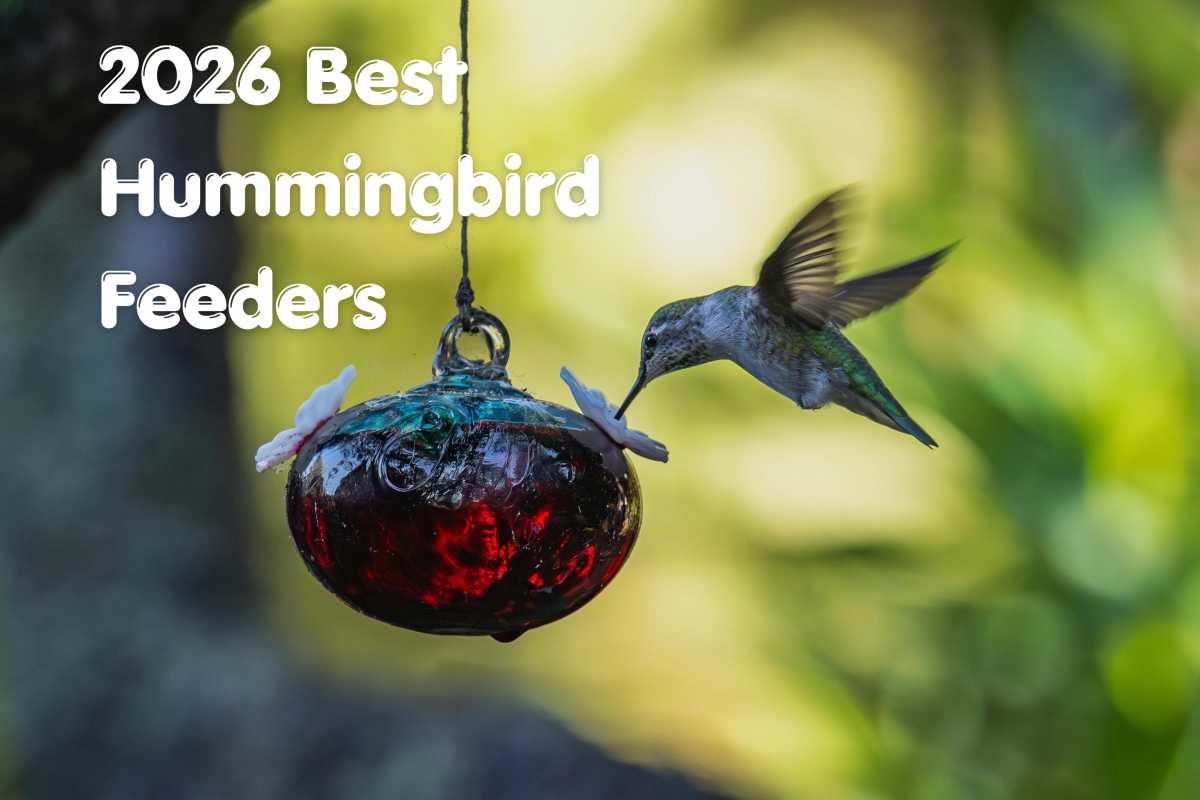
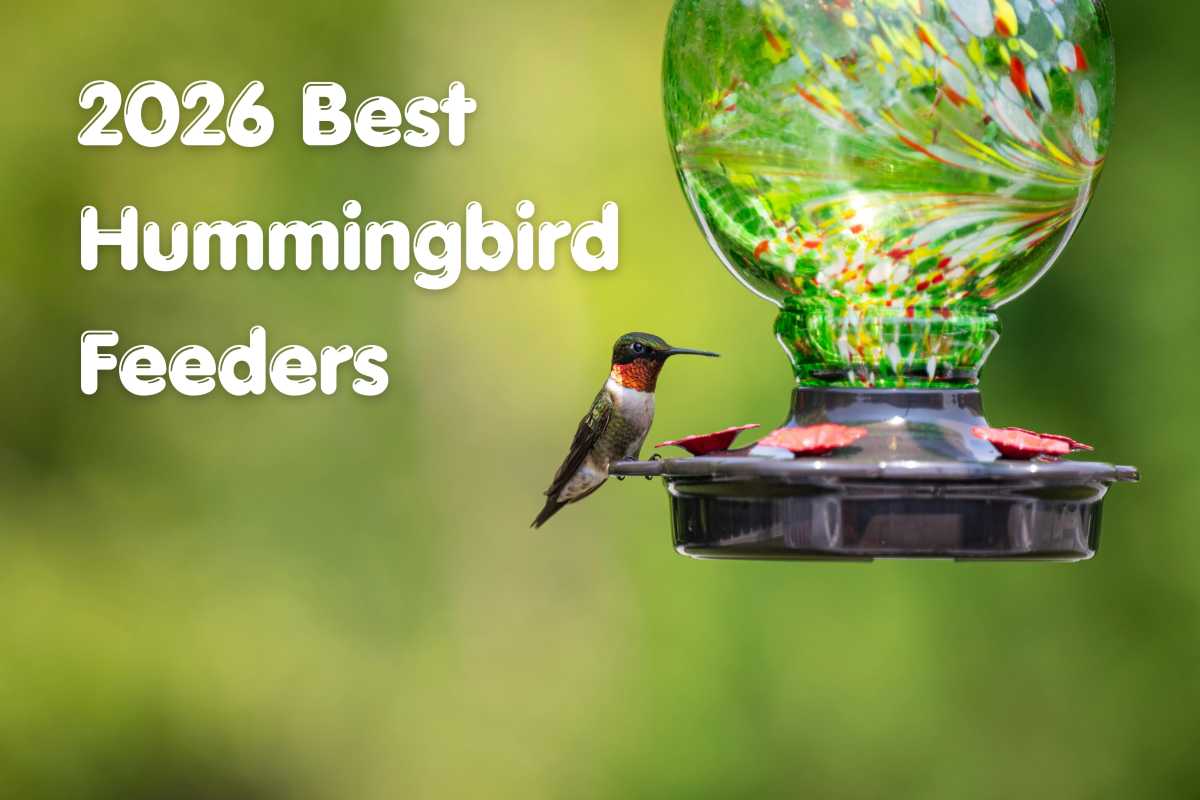
Hummingbird Feeders
Best Premium Glass — The Long-Term Investment
If you want a feeder that lasts, this is the one. Nature’s Way blown glass feeders are handmade, giving each one a unique style with swirls of color. They are thick enough to withstand drops and freeze-thaw cycles that break thinner glass. The hand-painted designs are baked into the glass, meaning they won’t wear off.
Key Features:
-
Available Designs: Floral, geometric, and traditional red-and-clear.
-
Durability: High-quality glass that lasts.
-
Easy to Use: The base unscrews completely, and the ports are well-sized.
What It’s Not as Good At:
-
Premium Pricing: Higher cost reflects quality.
-
Handmade Variation: Cleaning experience may differ between units.
Who It’s For:
-
Serious backyard birders looking to invest long-term.
-
Budget gift buyers with their wallets ready.
-
Anyone tired of replacing cheap feeders.
Price:
$28–45 depending on design.
Quick Comparison
| Feeder | Capacity | Material | Best For | Price Range |
|---|---|---|---|---|
| Perky-Pet Pinch-Waist | 32 oz | Glass | Best overall | $16–22 |
| First Nature 3055 | 32 oz | Plastic | Budget pick | $10–14 |
| Aspects HummZinger | 16 oz | Plastic | No-leak/no-drip | $22–28 |
| Grateful Gnome Copper | 12–32 oz | Glass/Copper | Aesthetics | $25–38 |
| Droll Yankees High Rise | 24 oz | Glass | Observation | $30–40 |
| More Birds Jewel Box | 5 oz | Glass/Plastic | Window feeding | $14–18 |
| Nature’s Way Blown Glass | 18–32 oz | Blown Glass | Premium/gift | $28–45 |
The Feeder Accessories Worth Having
Ant Moat
-
Price: $5–8
-
Keeps ants from reaching the nectar by drowning them.
Bee Guards
-
Small yellow inserts that prevent bees from getting to the nectar.
-
Cost: Minimal; often included with quality feeders.
Feeder Brush Set
-
Includes a bottle brush and port brush ($6–10).
-
Makes cleaning easier and more thorough.
Feeder Pole with Hanger
-
Allows you to control placement and height.
-
Price: $12–18 for a basic shepherd’s hook.
How to Make Hummingbird Nectar — The One Recipe You Need
Skip store-bought nectar. It often contains additives that plain sugar water does not need. Here’s how to make your own:
The Formula:
-
1 part plain white granulated sugar
-
4 parts water
Instructions:
-
Bring the water to a boil.
-
Add the sugar and stir until dissolved.
-
Remove from heat and let cool completely before filling the feeder.
Important Notes:
-
What Not to Use:
-
Red food dye (unnecessary and potentially harmful)
-
Brown or organic sugar (contains molasses)
-
Artificial sweeteners (no caloric value)
-
Store excess nectar in the refrigerator for up to two weeks.
Nectar Freshness by Temperature:
-
Replace every 5–7 days below 70°F.
-
Replace every 2–3 days between 70–84°F.
-
Replace once a day or two above 85°F.
-
If cloudy or with black spots, wash immediately.
When and Where to Put Up a Feeder
Timing
-
Put up feeders by April 15 in most of the East.
-
Gulf Coast: Late March.
-
Upper Midwest and New England: May 1 is safe.
Location
-
Ideal: Partial shade with morning light and afternoon shade.
-
Avoid: Full sun (cooks nectar) or full shade (harder for birds to see).
Height
-
Optimal: 4–6 feet off the ground.
Multiple Feeders
-
Hang two feeders out of each other’s sight. This increases the number of birds your yard can support.
The One Thing That People Get Wrong
Many people give up on hummingbird feeders due to maintenance. They forget to clean their feeder, leading to spoiled nectar and no birds. Here’s how to avoid that:
-
Get the easiest feeder to clean.
-
Store a spare bottle of mixed nectar in the refrigerator.
-
Set a reminder to check the feeder every 3 days in summer.
Hummingbirds remember where they find food. Their loyalty deserves a clean feeder and fresh nectar.
Final Recommendation
-
Just Starting Out? Get the First Nature 3055 and clean it every 3 days.
-
Best Overall Experience? In 2026, consider the Perky-Pet Pinch-Waist.
-
Bee and Ant Problems? The Aspects HummZinger saucer feeder solves these issues.
-
Amazing Gift? Nature’s Way Blown Glass or Grateful Gnome Copper Top.
-
Closest Encounter? Try the More Birds Jewel Box window feeder.
Want to Go Deeper?
Read more on BirdzFly:

MD Imdadul Haque is the founder of BirdzFly, a research-backed resource on North American backyard birds. Drawing on years of independent study into bird identification, behavior, and migration patterns, he writes in-depth guides designed to help US birders understand the species in their own backyards — from common feeder visitors to seasonal migrants passing through.