
When Do Hummingbirds LeaveWhen Do Hummingbirds Leave for Winter State-by-State Guide 2026
Introduction
Hummingbirds are fascinating creatures, and many people want to know when they migrate for winter. Understanding these birds helps us appreciate the natural world that many overlook daily.
This guide aims to be the most comprehensive and helpful resource on this topic. Whether you are a novice or an expert, you will find useful information here.
Section 1: Basics and Summary
Key Takeaways
-
Biology and Identification
-
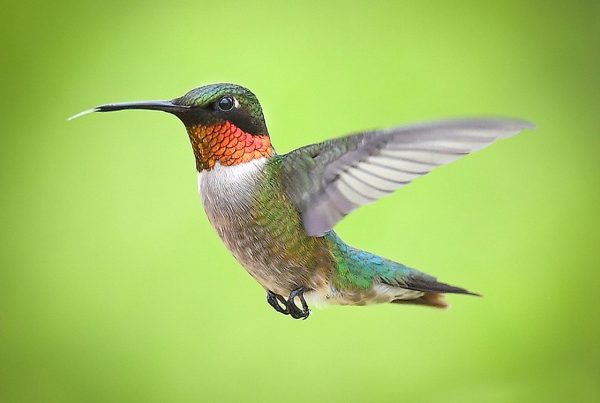
To understand when hummingbirds leave for winter, you must know their biology and anatomy. Key identifying features include:
-
Coloration patterns
-
Size relative to familiar species
-
Distinctive behavioral traits
-
-
-
Geographic Distribution
-
Hummingbirds show regional, seasonal, and habitat-type variability. In North America, their populations relate to habitat needs and seasonal patterns.
-
-
Ecological Role
-
Hummingbirds play a huge role in our ecosystem. Their movements affect:
-
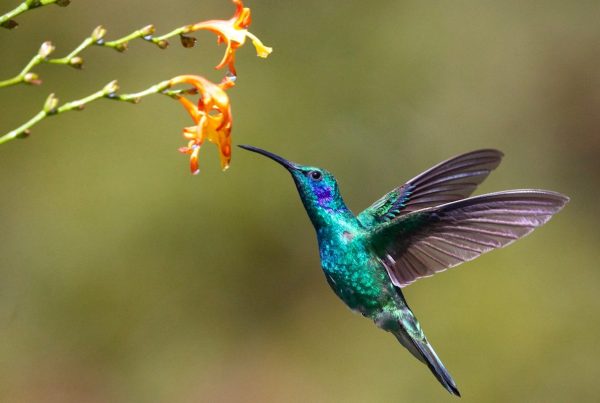
Pollination
-
Seed dispersal
-
Predator-prey interactions
-
-
Section 2: Seasonal Patterns and What to Expect
Understanding seasonal cycles helps you discover and observe these birds.
Spring (March–May)
-
Spring is the most active time for North American birds. Expect:
-
Singing males establishing territories
-
Courtship behavior
-
Nest-building activity
-
Migrant birds returning
-
Summer (June–August)
-
Nesting occurs, and fledgling birds appear. Parents bring their young to feeders. The dawn chorus continues, although it is quieter by the end of July.
Fall (September–November)
-
Fall migration is crucial for birders. You may see:
-
Species that linger longer than in spring
-
Juveniles in complex plumages, providing a fun identification challenge
-
Winter (December–February)
-
During winter, reliable food sources become vital. Your feeders and native berry plants will attract birds that are otherwise hidden in summer.
Section 3: Identification Guide
To successfully identify birds, follow these steps:
Size and Shape
-
Start by evaluating size:
-
Sparrow-sized
-
Robin-sized
-
Crow-sized
-
Goose-sized
-
-
Remember, shape is often more important than color. Learn the silhouettes of large bird families.
Key Field Marks
Focus on:
-
Head patterns (cap color, eye stripes)
-
Bill shape and length (indicates diet)
-
Wing patterns (bars or patches)
-
Tail shape and color
-
Underpart color and patterns
Behavior
Observe how birds move:
-
Do they creep up tree trunks? (nuthatch or creeper)
-
Do they pump their tails? (wagtail, waterthrush)
-
Do they hover before diving? (kingfisher, kestrel)
-
Do they walk or hop? (thrushes walk; sparrows hop)
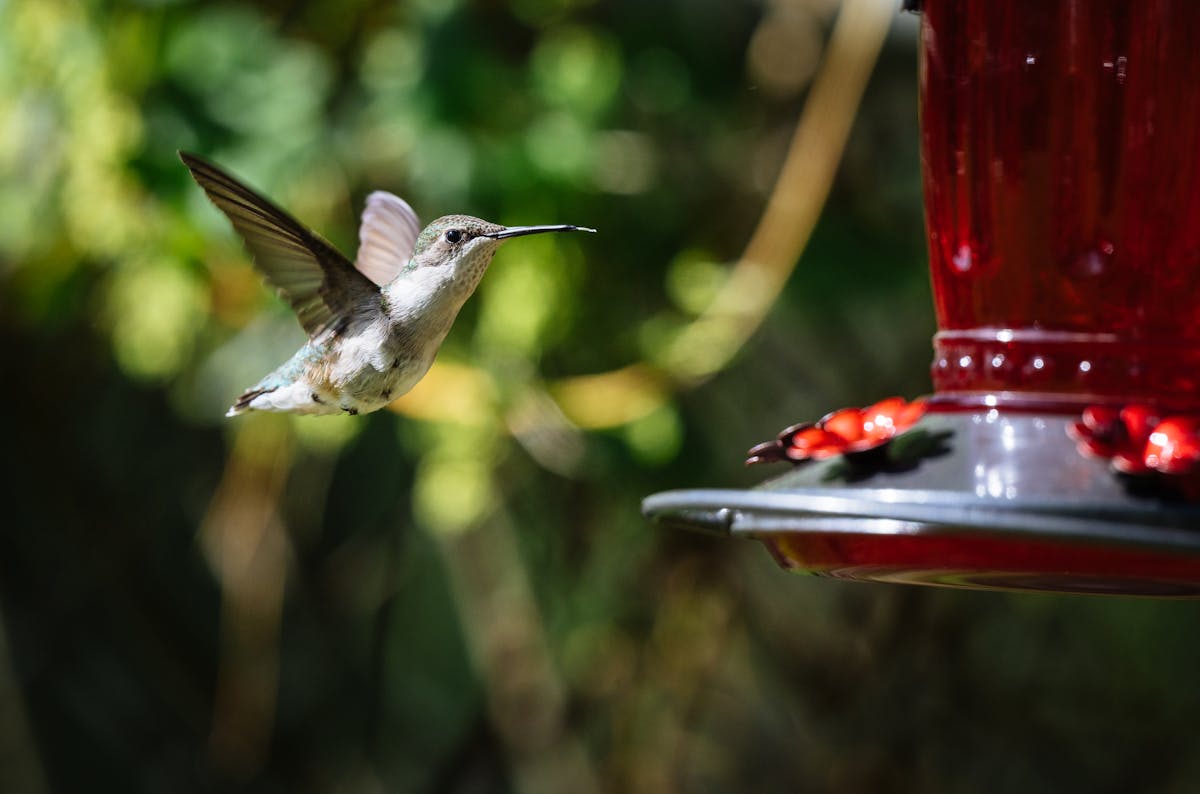
When Do Hummingbirds Leave
Section 4: How to Lure and Observe
To create optimal conditions for observing hummingbirds, consider:
Food and Feeding
-
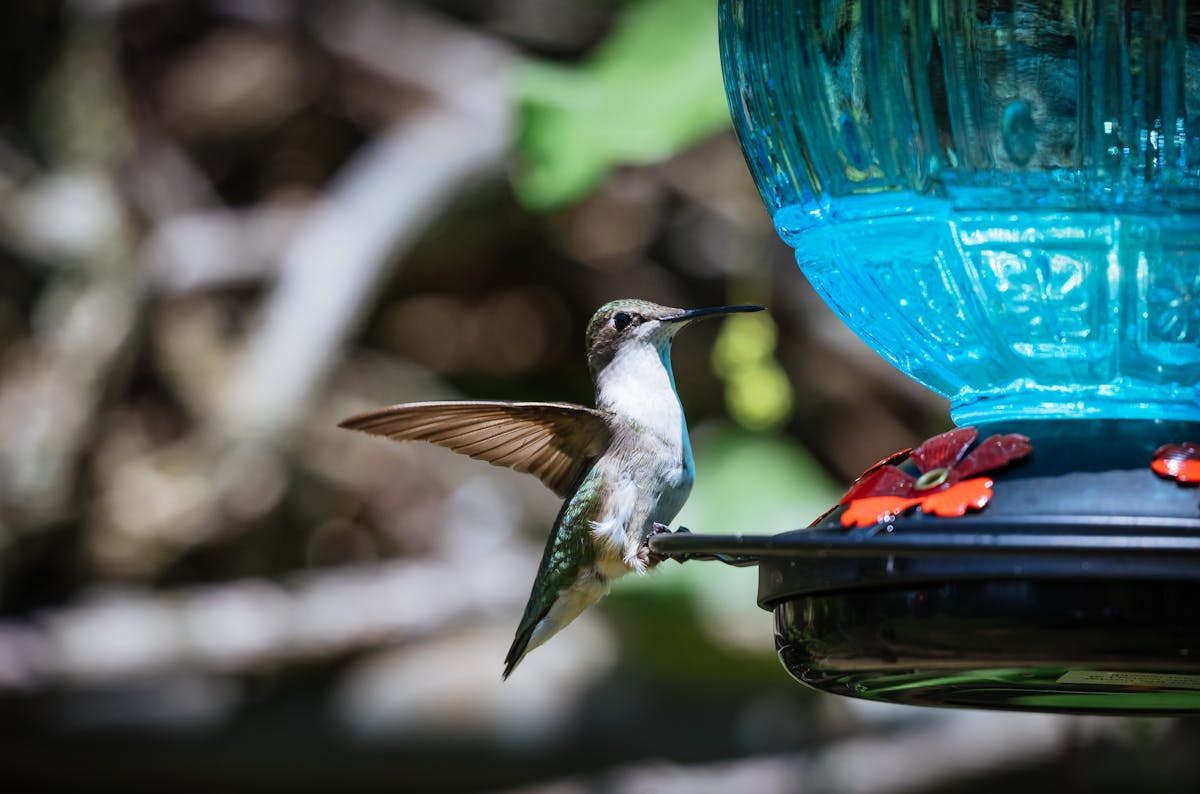
Offer the right food to attract birds. Native plants provide the best food sources, but feeders allow for close observation.
Water
-
A bird bath with moving water can attract many birds. Refresh water every 2–3 days for best results.
Shelter and Nesting
-
Birds need safe places to nest. A yard with food, water, and shelter is best.
Observation Tips
-
Be patient: stay still for 10–15 minutes.
-
Peak activity occurs early in the morning.
-
Use tools like Merlin Sound ID to detect unseen birds.
-
Record your observations to notice patterns over time.
Section 5: Conservation and Shared Challenges
Population Trends
-
Since 1970, North America has lost nearly 3 billion birds. Habitat loss, collisions, and predation are significant issues.
What You Can Do
Individual actions matter:
-
Keep cats indoors
-
Use window collision prevention
-
Plant native species
-
Reduce pesticide use
-
Support conservation organizations
Climate Change
-
Climate change disrupts migratory patterns and habitats. Advocating for solutions is crucial for conservation.
Section 6: Frequently Asked Questions
Q: When is the best time to see hummingbirds leave for winter?
First two hours after sunrise is often the best time.
Q: What equipment do I need to get started?
A basic set of binoculars (8×42 recommended) and the free Merlin Bird ID app are essential. A field guide and the eBird app are helpful but not necessary.
Q: What are great resources for learning about birds?
-
Join a local Audubon chapter
-
Contribute to eBird’s community science program
-
Watch online courses from Cornell Lab of Ornithology
Q: How do I help a wounded bird?
For stunned birds, place them in a dark box for an hour, then release. If injured, contact a local wildlife rehabilitator.
Q: Are there local birding groups I can join?
Yes! Search for “[your county] Audubon Society” or check the American Birding Association’s directory at aba.org.
Conclusion
When hummingbirds leave for winter connects to a broader movement towards nature appreciation. This guide welcomes everyone, whether you’re curious or experienced in birdwatching.
Start with a feeder, install the Merlin app, and step outside in the morning. Nature awaits you!
For more resources, visit BirdzFly.com — The Source for All Birding Education in America.

MD Imdadul Haque is the founder of BirdzFly, a research-backed resource on North American backyard birds. Drawing on years of independent study into bird identification, behavior, and migration patterns, he writes in-depth guides designed to help US birders understand the species in their own backyards — from common feeder visitors to seasonal migrants passing through.