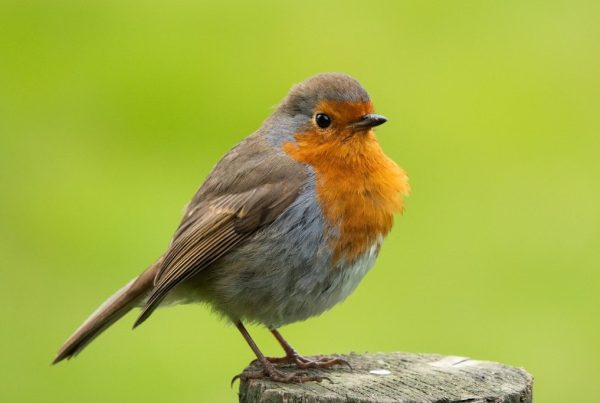

The short answer is: sort of. American Robins don’t migrate the way most people assume. They don’t all fly south in fall and return in spring. The reality is messier — and more interesting.
Some robins migrate. Some don’t. What changes for all of them is behavior and habitat, not necessarily location. That’s why robins seem to disappear in winter even when many of them are still nearby.
Do Robins Migrate? The Honest Answer
American Robins are partial migrants. That means:
- Some populations — particularly birds that breed in northern Canada and Alaska — do move south significantly in winter
- Many robins in the continental US stay within their general area year-round, just shifting from open lawns to forested berry-producing habitat
- Individual robins make different decisions. The same species, even birds from the same general area, can take very different approaches to winter
The key driver is food, not temperature. Robins don’t migrate because it gets cold — they move when the earthworms become inaccessible (frozen or hardened ground) and when berry supplies run out in a given area. A robin in Ohio in January is making a constant food-availability calculation.
Why You Don’t See Robins in Winter
This is the part most people miss. Robins in winter aren’t gone — they’ve changed their behavior completely.
In spring and summer, robins are territorial. They defend individual patches of lawn, sing from prominent perches, and are highly visible. They eat earthworms, which requires them to be on open ground in daylight.
In winter, robins switch to berries and become nomadic. They form loose flocks — sometimes hundreds of birds — that move through an area following fruit crops. They spend their time in trees and shrubby thickets rather than on lawns. They’re quiet. They’re in cover.
A flock of 200 robins in a crabapple tree in December is invisible to most people because nobody expects robins in a tree in December. But they’re there.
Where Do Robins Go in Winter?
Depends on the individual bird and the winter conditions:
Northern populations move south. Robins breeding in Canada and the northern US do shift substantially southward. Canadian robins may winter in the southern US. But “south” usually means the southern states, not Central America — robins are not long-distance migrants.
Many southern and mid-range birds stay put. Robins in the mid-Atlantic, the Midwest, and the South frequently spend winter within a few miles of their breeding territory. They just stop visiting lawns.
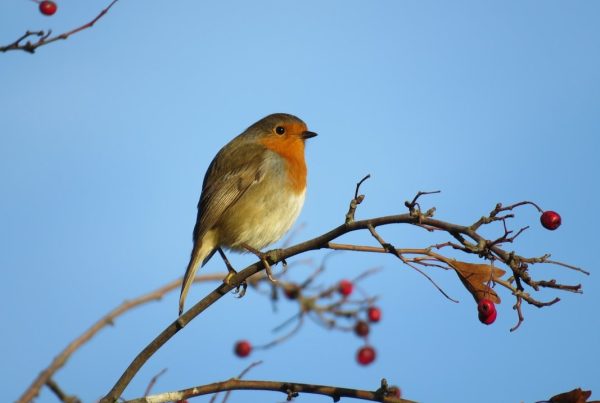
All of them follow berries. The winter diet shifts almost entirely to fruit — crabapple, hawthorn, holly, winterberry, juniper, dogwood. A good berry crop in one location can hold large numbers of robins for weeks. When the berries run out, the flock moves on.
The Christmas Bird Count Evidence
The Audubon Society has run the Christmas Bird Count every December since 1900 — volunteer observers counting every bird they can find in a given area. The results consistently show large numbers of American Robins in the northern US in December and January. Counts of hundreds to thousands of robins in Ohio, Illinois, Pennsylvania, and other northern states are routine.
The birds are there. They’re just not on lawns.
When Do Robins Return to Lawns in Spring?
Robins return to lawn-foraging behavior as soon as the ground thaws enough to make earthworms accessible — typically late February to March across most of the US. Males arrive back at breeding territories before females, usually by 2–3 weeks, and begin singing their territorial songs immediately.
The robin you hear singing at dawn in late February has likely been within a few miles all winter. It just had no reason to come to your lawn until the worms were available again.
How to See Robins in Winter
If you want to find robins in December or January:
- Look in berry-producing trees — crabapple, hawthorn, holly, juniper. If you find a tree with fruit still on it, check it for robins.
- Listen for soft clucking calls rather than song — winter robins don’t sing but they do make contact calls in flocks
- Check forest edges and parks rather than open lawns
- Provide a water source — robins need water even in winter and a heated birdbath will attract them when natural water is frozen
FAQ: Do Robins Migrate?
Do American Robins migrate?
Partially. Northern populations move south in winter. Many mid-range birds stay in the same general area but shift to forested berry habitat. The key change is behavior and diet, not always location.
Where do robins go in winter?
Into forests and thickets where berry-producing trees provide food. Northern Canadian birds may winter in the southern US. Most continental US robins stay relatively local.
Why don’t I see robins in winter?
Because they’ve shifted from lawn-foraging to berry-eating in trees and shrubs. They’re quieter, in cover, and not doing the visible behaviors (pulling worms from lawns) that make them easy to notice.
When do robins come back in spring?
Late February to March, when the ground thaws enough for earthworm foraging. Males return before females and begin singing immediately.
For more on robins, see our guides on where robins go in winter, american robin eggs and nests, robin symbolism, and robin song guide.

MD Imdadul Haque is the founder of BirdzFly, a research-backed resource on North American backyard birds. Drawing on years of independent study into bird identification, behavior, and migration patterns, he writes in-depth guides designed to help US birders understand the species in their own backyards — from common feeder visitors to seasonal migrants passing through.