
When a Cardinal Visits You Science
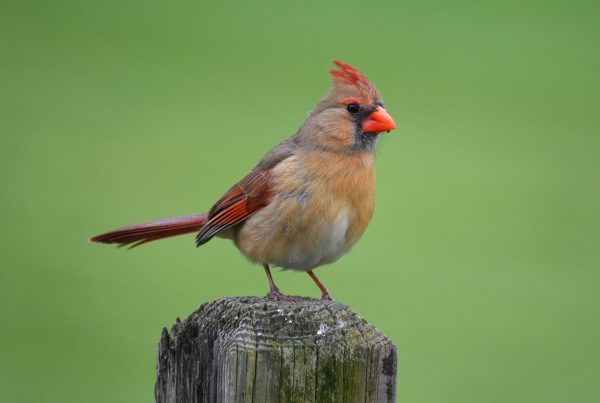
You’re at your kitchen window, cradling a warm mug and not really thinking about anything — then in a flash of red, something lands on the fence post just outside.
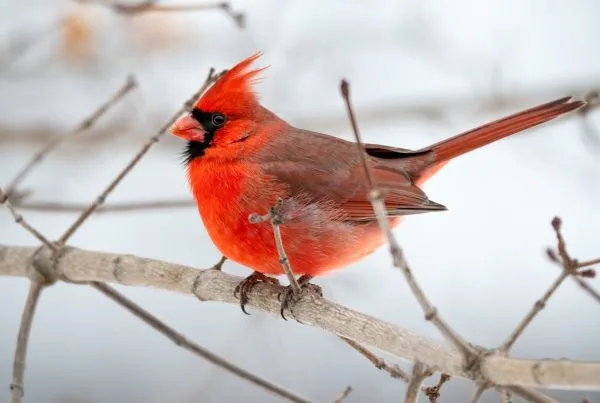
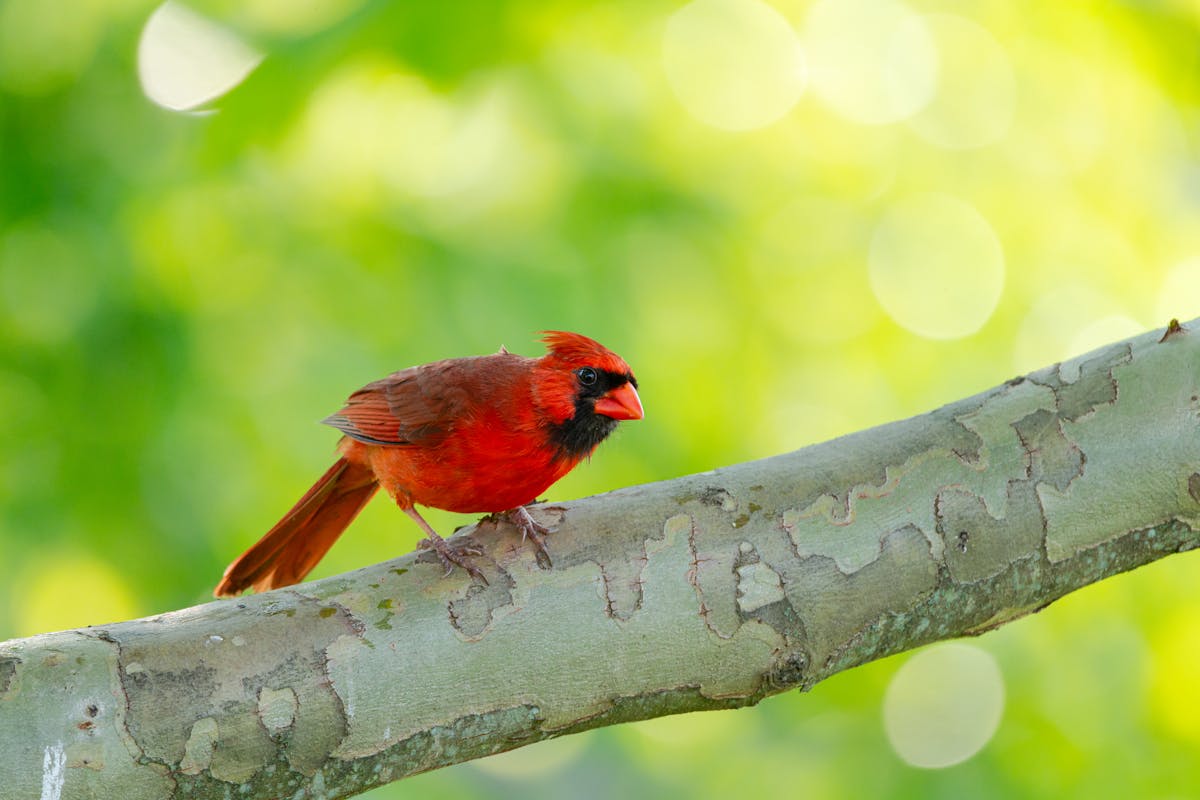
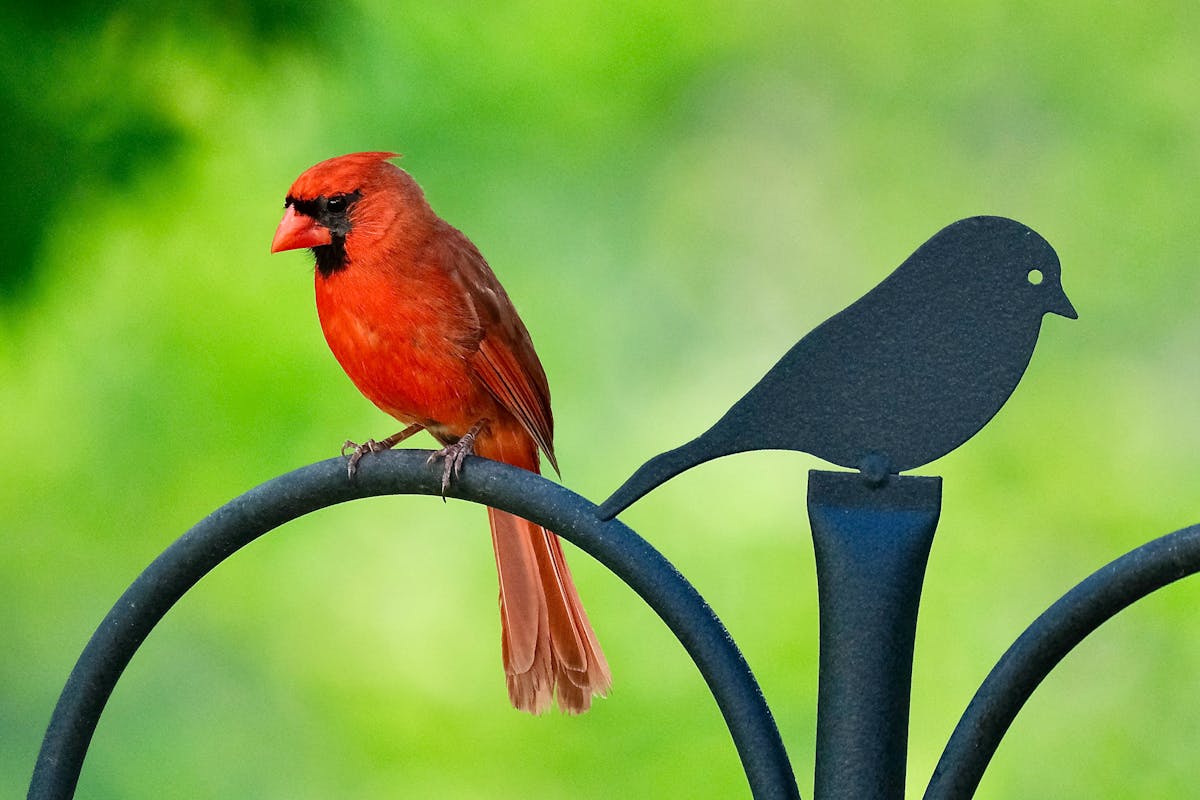
A male cardinal. Brilliant. Still. Looking right at you.
Something shifts in the room. You set down your mug.
If you’ve ever experienced that moment, you know that a cardinal visit feels different than seeing any other backyard bird. People all over America have searched for words to describe that feeling for generations. The explanations, both scientific and spiritual, are more fascinating than many think.
Let’s explore all of it.
Why Cardinals Belong to More Than Just a Bird
Most backyard birds are skittish. They dart, scatter, and hardly stop long enough to identify. Cardinals are different.
A male cardinal will come in, perch, and remain. He’ll turn his head slowly, looking directly through the glass at you in a way that feels intentional. Add to that the exceptional red color, especially in winter snow, and you have an encounter that’s hard to shake.
There’s actual biology behind the behavior of cardinals, along with centuries of human meaning.
The Science: Why Cardinals Go Where They Do
They Are Highly Territorial — And Loyal
-
Northern cardinals don’t migrate.
-
If a cardinal shows up in your yard, it’s not just passing through.
-
It has designated your space as part of its home territory and will return for months or even years.
Cardinal males establish territories of about 2 to 10 acres. They set their feeding routes, preferred perch spots, and safe zones within that range. If your yard can provide food, water, or thick shrub cover, a cardinal won’t just visit — it will adopt you.
They’re Drawn to Specific Conditions
Cardinals aren’t random. Their presence tells you something true about your yard. They like to shelter in dense low shrubs and thickets, such as:
-
Holly
-
Dogwood
-
Viburnum
They prefer ground-level, low-perch feeding areas. Open lawns with nearby cover attract them more than high bird feeders do. Black oil sunflower seeds are their favorite food.
If a cardinal visits regularly, your space offers something valuable: shelter, safety, food, or water.
Why Is the Male So Very Red?
That bright red color isn’t just decoration; it’s communication. Male cardinals get their color from carotenoid pigments in their diet, mainly berries and seeds. The brighter the red, the better fed and healthier the male. He signals to females that he’s a strong potential mate and to rival males that he owns a prime territory.
Interestingly, cardinals can see colors that humans cannot, including ultraviolet light. To another cardinal, the male’s plumage is even more intense than we perceive.
The Symbolism: What People Think It Means When a Cardinal Comes
Science explains the behavior, but not the feeling. For millions, a cardinal sighting isn’t just a wildlife experience; it’s something personal.
“When Cardinals Appear, Angels Are Near”
This saying has been passed down for generations and carries real weight. Many believe that a visit from a cardinal is a message from someone who has died — a loved one checking in.
Common stories include:
-
A widow sees a cardinal on her late husband’s 80th birthday.
-
A grieving daughter spots one at the hospital window when her mother dies.
-
A man notices a cardinal returning to his door after his father’s death.
These experiences are shared openly in hospice communities and support groups. Whether or not you believe in signs from the beyond, the comfort felt in these moments is real.
The Christian Symbolism
Cardinals were named by European settlers who saw the bright red color of the male bird resembling a Roman Catholic cardinal’s vestments.
In Christian tradition, red symbolizes sacrifice, vitality, and eternal life. Many believers view a cardinal as a gentle reminder that life and love continue, even after loss.
Native American Traditions
Long before settlers arrived, Indigenous nations had their own relationship with the redbird. The Choctaw linked the cardinal to romance and matchmaking.
Common beliefs include:
-
A sighting means love is in store.
-
It represents warmth and life returning after winter.
Many traditions view a sighting of a cardinal as a message worth pausing for.
7 Ways People Interpret Visits from Cardinals
Here are interpretations that often reappear over time:
-
A single red cardinal at your window: A dead loved one is near to comfort or reassure you.
-
A cardinal who holds your gaze: Listen up; a powerful message is about to be transmitted.
-
A cardinal in a time of sorrow: You are not alone; healing is coming.
-
Two cardinals together (male and female): Harmony in relationships; nurturing your closest connections is important.
-
A cardinal in winter, especially on snow: Hope in dark times; light is returning.
-
A cardinal singing loudly near you: Good news is coming; stay open to it.
-
A cardinal that visits every day: A frequent, faithful presence observing you.
Science & Symbolism
What Science Has To Say About This “Message” Feeling
Humans are hardwired to recognize patterns and find meaning, especially during loss. When something strange and lovely appears at a momentous time, our minds seek connection.
The cardinal becomes a container for what the grieving heart needs:
-
Presence
-
Continuity
-
Love without end
Whether it’s truly a message from beyond or simply the heart discovering what it yearns for, the outcome is often the same: solace and peace of mind.
How to Attract Cardinals to Your Yard
Want more of these visits? Here’s how to attract cardinals consistently:
-
Best food: Black oil sunflower seeds. Cardinals also enjoy safflower seeds, which squirrels usually avoid.
-
Proper feeder: Use platform or wide-hopper feeders for large birds. Tubular feeders with small perches won’t work.
-
Native shrubs: Plant holly, hawthorn, dogwood, and elderberry. These provide food and habitat for nesting.
-
Offer fresh water: A low birdbath with a gentle dripper or bubbler will attract cardinals, especially in summer.
-
Stay consistent: When a cardinal claims your yard, it will return for years. Keep feeders full, especially in winter.
The Bird That Stays
Most wildlife visits from a distance — glimpsed, fled, forgotten. Cardinals are different.
They come back. The same couple, season after season. The same male on the same fence post. The same song, early in the morning.
There is something special about a creature that chooses to be near you day after day. Science can explain their behavior, but it cannot fully explain why a cardinal’s visit feels so significant.
Perhaps some things are meant to be both scientifically interesting and spiritually moving. The cardinal may be one of them.
Loved this article? Widen your horizons at BirdzFly:

MD Imdadul Haque is the founder of BirdzFly, a research-backed resource on North American backyard birds. Drawing on years of independent study into bird identification, behavior, and migration patterns, he writes in-depth guides designed to help US birders understand the species in their own backyards — from common feeder visitors to seasonal migrants passing through.