Introduction
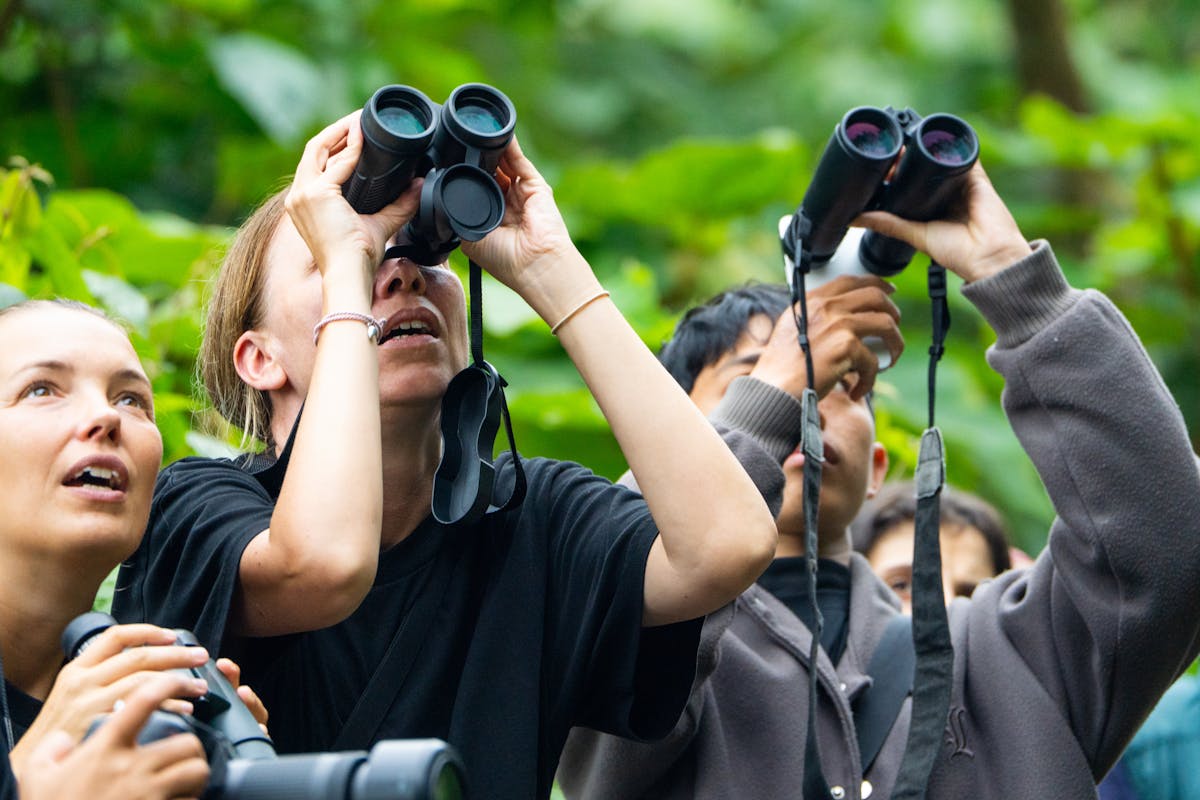
Birdwatching for Beginners
Birdwatching is having a cultural moment — and it makes sense. In 2026, birdwatching was named a top ten global growth hobby. This spring saw the highest searches for “birdwatching” in five years. Even those who don’t call themselves “birders” are picking up binoculars and enjoying the show birds put on in their backyards.
This guide is for you if you’re wondering how to get started or if you’ve just downloaded Merlin and want to know what to expect.
We’ll cover:
-
Essential gear you need (it’s less than you think)
-
Apps that make bird identification easy
-
Best places to go
-
What to look for
-
How to join the birder community
By the end, you’ll be ready to step outside and watch birds today.
Why Birdwatching? What Makes It Special
Birdwatching is more than just a hobby. It offers a unique view of nature.
Birds are everywhere. You don’t need to go to a national park. Birds can be found in your garden, local park, and neighborhood. They appear as soon as you start looking.
Birds are easy to identify. Unlike other wildlife, birds are often visible and vocal. With the right tools, you can easily identify most species.
It connects you to nature. Birdwatching helps you notice the changing seasons. You’ll see:
-
The first Robin of spring
-
Warblers in May
-
Juncos returning in November
These are markers in your yearly routine.
Health benefits are real. Research shows that birdwatching can reduce anxiety and depression. It encourages mindfulness and keeps you anchored in the present.
You can enjoy birdwatching casually, such as sipping coffee while observing your backyard feeders, or take it seriously by traveling and contributing to scientific studies. Most birders find a balance between these two extremes.
Essential Gear
Binoculars (Most Important Purchase)
Good binoculars make a big difference. You don’t need to spend a lot. Here’s what to look for:
-
Ideal Specification: 8×42
-
8x: Magnification ratio
-
42: Objective lens diameter, affecting brightness
-
Budget Options ($50–$100):
-
Celestron Nature DX 8×42
-
Bushnell Falcon
Mid-range Picks ($150–$300):
-
Vortex Crossfire HD
-
Nikon Prostaff
High-end ($500+):
-
Vortex Viper
-
Swarovski EL
Don’t let cost hold you back. Use whatever binoculars you can find. Even cheap ones are better than none.
A Bird ID App
Download Merlin Bird ID (free from Cornell Lab of Ornithology). Use its Photo ID and Sound ID features to identify birds easily. This app makes birdwatching much more enjoyable.
Optional, but Highly Recommended: a Field Guide
While you don’t need a physical guide, many birders find them helpful. Here are some good choices:
-
The Sibley Guide to Birds (2nd edition)
-
Peterson Field Guides
-
National Geographic’s Field Guide to the Birds of North America
For a mobile-only approach, use Merlin, Audubon app, and eBird.
What You Don’t Need
-
Camouflage clothing (birds are less sensitive to human color)
-
Spotting scopes (specialized tools for specific cases)
-
Expensive hiking gear
-
Any specific “birder outfit”
Dress comfortably for the weather. Wear soft-soled shoes for easy movement. That’s all you need.
Your Bird Walk: Step by Step

The Complete 2026 Starter Guide
Before You Go
-
Open Merlin Explore Birds and type in your location.
-
Check the “Maybe Today” list — these are species recorded in your area.
-
Get a regional bird pack for offline use.
-
Check the weather. The first 1–3 hours after sunrise is best for bird activity. Calm, mild days are ideal.
In the Field
-
Slow Down: Take your time. Walk 10–15 strides, then stop for a minute to watch and listen.
-
Use Sound ID: If you can’t see any birds, let Sound ID help you hear them. It will guide you to species you might miss.
-
Learn to “pish.” A soft “psh-psh-psh” can attract tiny songbirds from dense areas.
-
Look at the edges. Birds gather where habitats meet: forest edges, shrubs near water, or lawns by hedgerows.
-
Watch bird feeders. Spend 10–15 minutes observing feeders in parks or gardens. They attract birds, making identification easier.
With this guide, you’re ready to start birdwatching! Enjoy the beauty of nature around you.
Recording Your Sightings
Launch the eBird app and begin a checklist during your outing. Keep a log of every species you see, even if you’re not 100% confident. Remember to note any uncertainty. Submit the checklist when you’re done.
Benefits of Recording Your Sightings
This does three things:
-
Keeps a permanent record of what you saw
-
Contributes to scientific avian data around the world
-
Creates your personal life list—the ongoing collection of every species you’ve seen.
The Systematic Method for Learning Bird Identification
Secret Number 1: Pay Attention to the Right Things
Learn to observe quickly. Veteran birders use a mental mechanism called field marks. These are visual indicators that help identify and differentiate species.
GISS Approach: General Impression of Size and Shape
Before identifying a species, familiarize yourself with birds in general. Here are some key questions to ask:
-
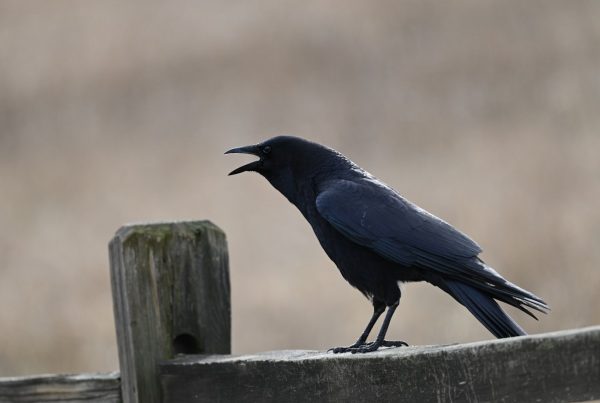
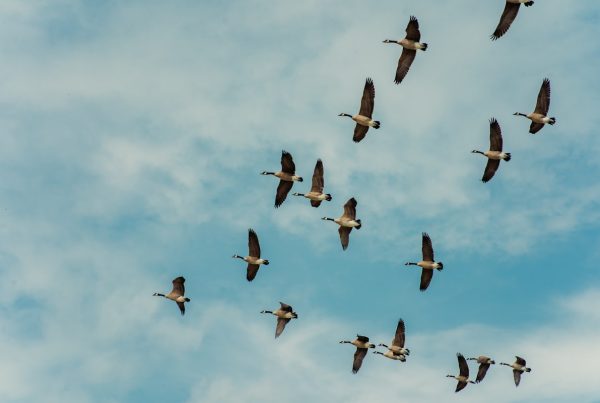
Size: How big is it? Sparrow-sized? Robin-sized? Crow-sized? Goose-sized?
-
Body Shape: Stocky? Slender? Long-tailed? Short-billed?
-
Behavior: Does it hop on the ground? Creep up tree trunks? Hawk insects in the air?
This GISS approach narrows down possibilities before you even look at color and pattern.
Key Field Marks to Note
Once you have GISS, look for:
-
Bill shape: Thick (seed-eater)? Thin and sharp (insect-eater)? Hooked (raptor)? Long and curved?
-
Head pattern: Cap color? Eye stripe? Eye ring? Crest?
-
Wing pattern: Wing bars? Patches? Spotted?
-
Tail: Shape? Length? Color? Pattern?
-
Underparts: Plain? Streaked? Spotted? Color?
Not all birds will show all these marks. Two or three field marks are often enough.
Learn the Common Species First
Tip 3: Focus on 20–30 Regulars
Consider not trying to learn all birds at once. Start with a core group of common species:
-
Northern Cardinal
-
Additional options include: Downy Woodpecker, White-breasted Nuthatch, Carolina Chickadee, or Black-capped Chickadee. Your choice depends on your area.
Once you can name all of these without thinking, you’re ready to expand.
Top Birdwatching Locations for First-Time Ornithologists
Start in Your Backyard or Local Park
Great birds are not out of reach. Set up a bird feeder and bird bath. Wait to see who shows up. Many of North America’s most beautiful birds will visit yards with suitable food and water.
Outing Suggestions
Try your closest park with:
-
Mature trees
-
A pond
-
Scrubby areas
Major metropolitan parks can yield excellent birds during migration.
National Wildlife Refuges
The US National Wildlife Refuge system is a goldmine for birding. With over 560 refuges nationwide, many have no entrance fee and are carefully managed for wildlife. Check out refuges near you at fws.gov/refuges.
State Parks
Many state parks feature a variety of habitats and maintained trails ideal for birding. Local birders often have checklists available at visitor centers.
eBird Hotspots
To find the best birding hotspots around you, go to Open eBird and use Explore → Hotspots. These locations have the greatest species reporting from birders.
Connecting with the Birding Community
Birding is more enjoyable with others. The community welcomes beginners like you.
Local Audubon Chapters
Most counties in the US have an Audubon Society chapter that organizes regular field trips. These are ideal for novices to learn from experienced birders.
Christmas Bird Count
The Christmas Bird Count is the longest-running citizen science project in North America. It takes place in December and January. Beginners are welcomed and mentored. Check out local events at audubon.org/christmas-bird-count.
Online Communities
-
Facebook Groups: Search for birding groups in your area. They are welcoming and vibrant.
-
Reddit r/birding: A friendly community buzzing with ID help, trip reports, and gear questions.
Building Your Life List
Your life list tracks every species you’ve seen. It can be very rewarding and fun.
As you submit checklists, eBird automatically keeps track of your life list, including:
-
Your total species count
-
Your lists by year
-
Your lists by location or region
Common Life List Milestones
-
50 species: Most beginners reach this within their first few months.
-
100 species: A reasonable goal for the first year.
-
200 species: Requires travel or specific habitat targeting.
-
300+ species: Serious listers need multiple habitats and possibly travel.
Focus on the joy of birdwatching. This list is not a competition; it’s a record of special moments.
FAQ for Birdwatching Beginners
Q: Is bird watching gear a luxury?
A: No. To start, a free app (like Merlin) and any binoculars will do!
Q: How do I find birds?
Use Merlin Sound ID to identify singing birds. Slow down and pay attention to habitat edges and bird feeders.
Q: Isn’t birdwatching a solitary hobby?
A: Only if you want it to be. There are many groups and online communities to connect with.
Q: What is the best time of day to go birding?
A: Birds are most active during the first 1–3 hours after sunrise.
Q: What is the most common mistake beginners make?
A: Rushing and not truly listening. Stand still and let Sound ID do its job before looking for birds.
Conclusion: Your Next Step
Install Merlin Bird ID, step outside, and turn on Sound ID. Run it for five minutes in your backyard or nearest green space.
What you hear will amaze you! Birdwatching is about paying attention to the world. Dive into species guides, resources for beginners, and find top birding spots at BirdzFly.com.
Don’t miss out on the wonders of birdwatching!

MD Imdadul Haque is the founder of BirdzFly, a research-backed resource on North American backyard birds. Drawing on years of independent study into bird identification, behavior, and migration patterns, he writes in-depth guides designed to help US birders understand the species in their own backyards — from common feeder visitors to seasonal migrants passing through.