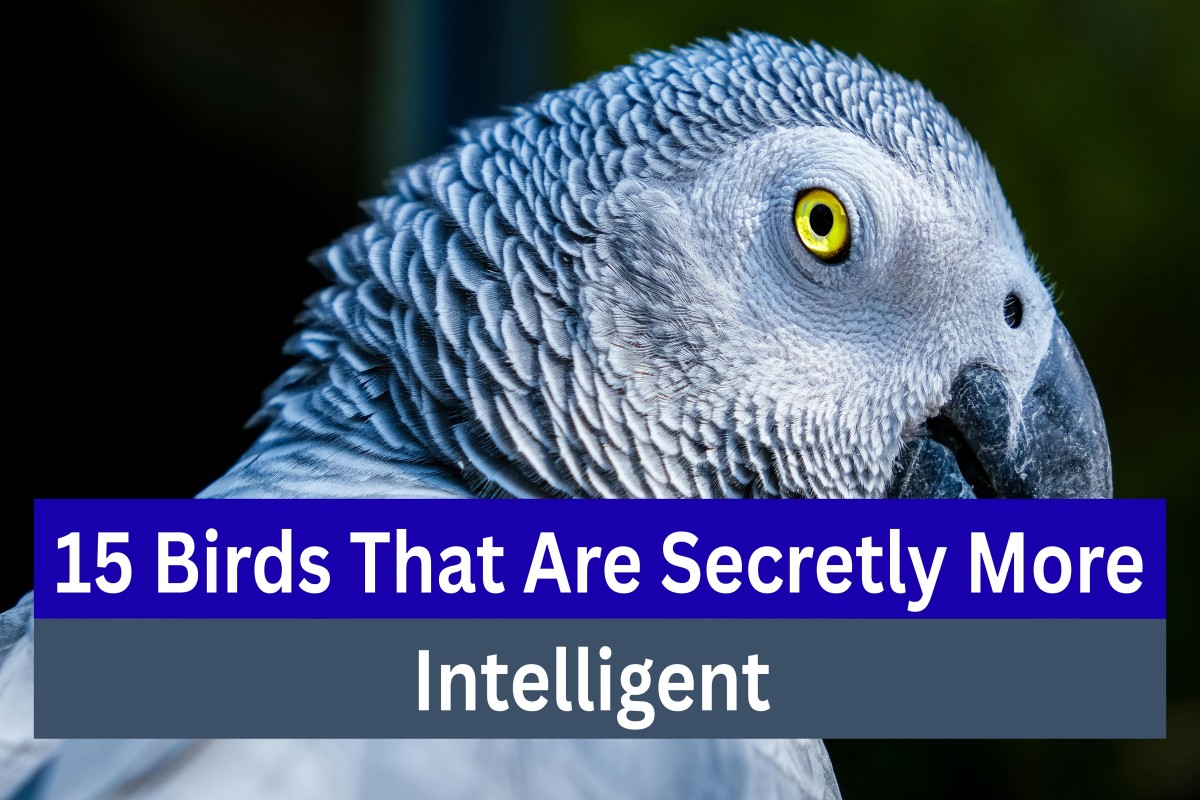
The Crow’s Cleverness
A researcher at a Seattle university conducted an experiment that still gets talked about today in scientific circles.
She made her team wear caveman masks while they trapped and banded crows on campus. This was deliberately uncomfortable and deliberately memorable. After releasing the birds, the researchers returned to their routines — walking the same paths, visiting the same buildings, and going to the same coffee shops — but this time without masks.
The Crows Remember
For years, individual crows would caw, scold, and swoop-bomb the researchers who wore the masks, while ignoring those who had not. They recognized human faces and even passed this knowledge to their babies. The next generation of crows, who had never been trapped, also harassed the researchers.
The birds effectively inherited a grudge.
If that doesn’t make you rethink everything you knew about bird intelligence, nothing will. This story about a crow is only the start.
How We Misunderstood the Smartest Birds
For years, it was an insult to call someone a “birdbrain.” The assumption was simple — small brain, dumb bird.
This was a reasonable assumption, but it was wrong.
Researchers have found that brain size compared to body isn’t the only measure of intelligence. Birds manage to pack their brains with a density of neurons that matches or exceeds many mammals, despite smaller overall brain volumes.
-
Proportionally, a crow has about the same number of neurons in its forebrain as some primates.
-
The structures responsible for problem-solving, memory, and social learning in birds are different from mammals but achieve similar or sometimes better outcomes.
We had been measuring the wrong things. The birds were busy being smart while we weren’t looking.
15 Intelligent Bird Species
Here are 15 species that do, indeed, show remarkable intelligence.
1. American Crow — The Genius in Your Backyard
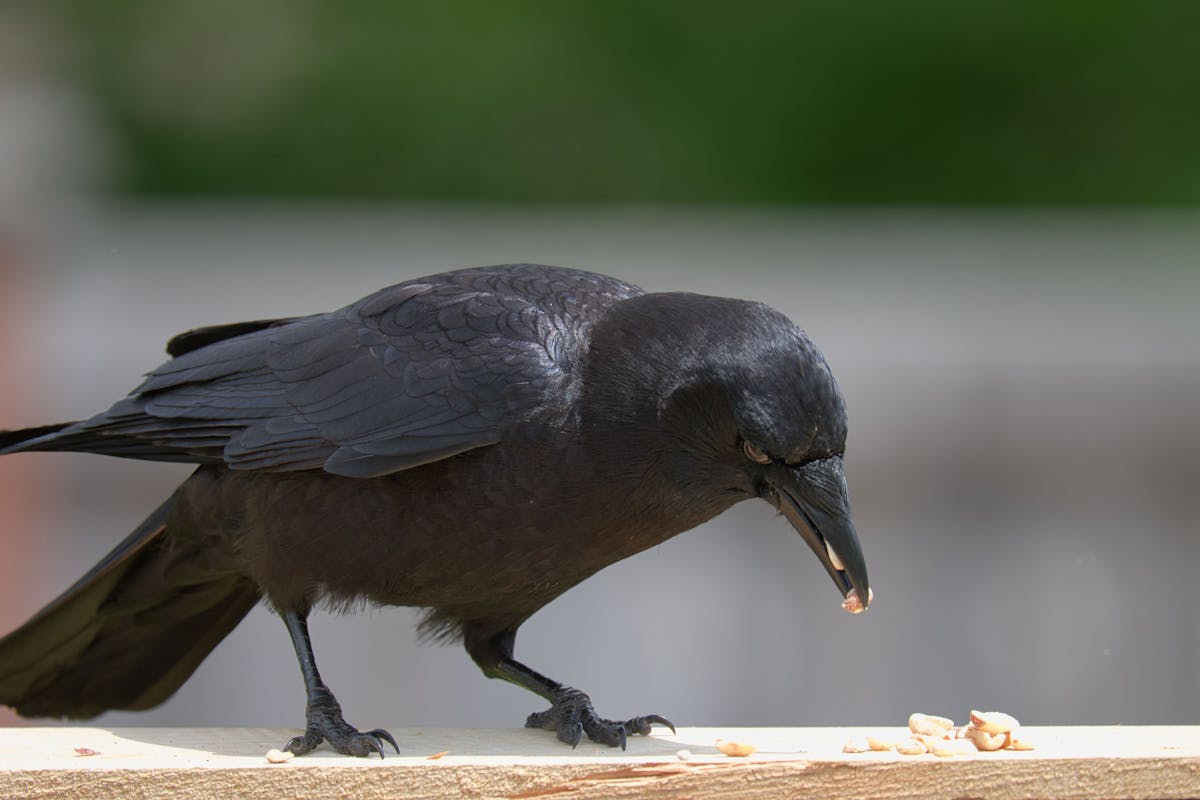
American Crow
We already met the crow. The face-recognition experiment is just the beginning.
Crows use tools. Wild American Crows have been seen dropping tough nuts onto roads at intersections. They wait for the traffic lights to turn red before going out into the street to collect their cracked shells.
They learned the traffic system. They customized it for their needs.
Crows also cache food deceitfully. If they think they are being watched, they will pretend to hide food in one place while actually hiding it elsewhere. This requires the crow to understand that another individual has a viewpoint and goals.
Young crows sometimes live with their parents for up to two years. This is a long childhood for birds. During this time, they learn, watch, and play. They have even been spotted sledding down snowy rooftops for fun.
The crow in your backyard is not a pest. It’s a skilled problem solver managing your garden as a resource.
2. Blue Jay — The Alarm System With Goals
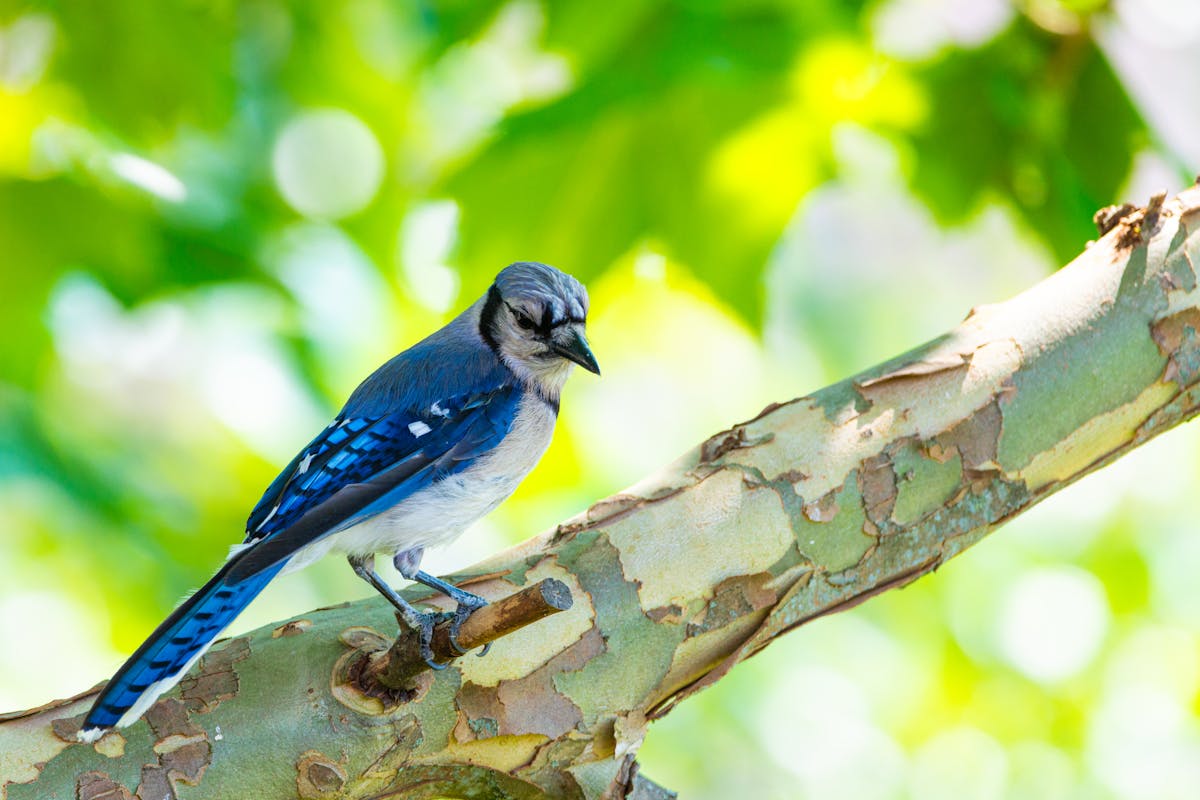
Blue Jay
Blue Jays are known for their loud and aggressive calls, often seen as noisy pests.
But their vocalizations are much more complex.
-
They mimic hawk calls, particularly Red-shouldered and Red-tailed Hawks, with great accuracy.
-
They use these calls strategically to scare off competing birds at feeders.
-
Blue Jays have a complex alarm call system that signals different threats, allowing nearby birds to respond appropriately.
Every fall, Blue Jays cache thousands of acorns, committing their locations to memory. They retrieve these acorns months later with great accuracy.
A Blue Jay at your feeder is running several advanced cognitive programs. It just doesn’t look that way from the outside.
3. Clark’s Nutcracker — The Mountains’ Memory Champion
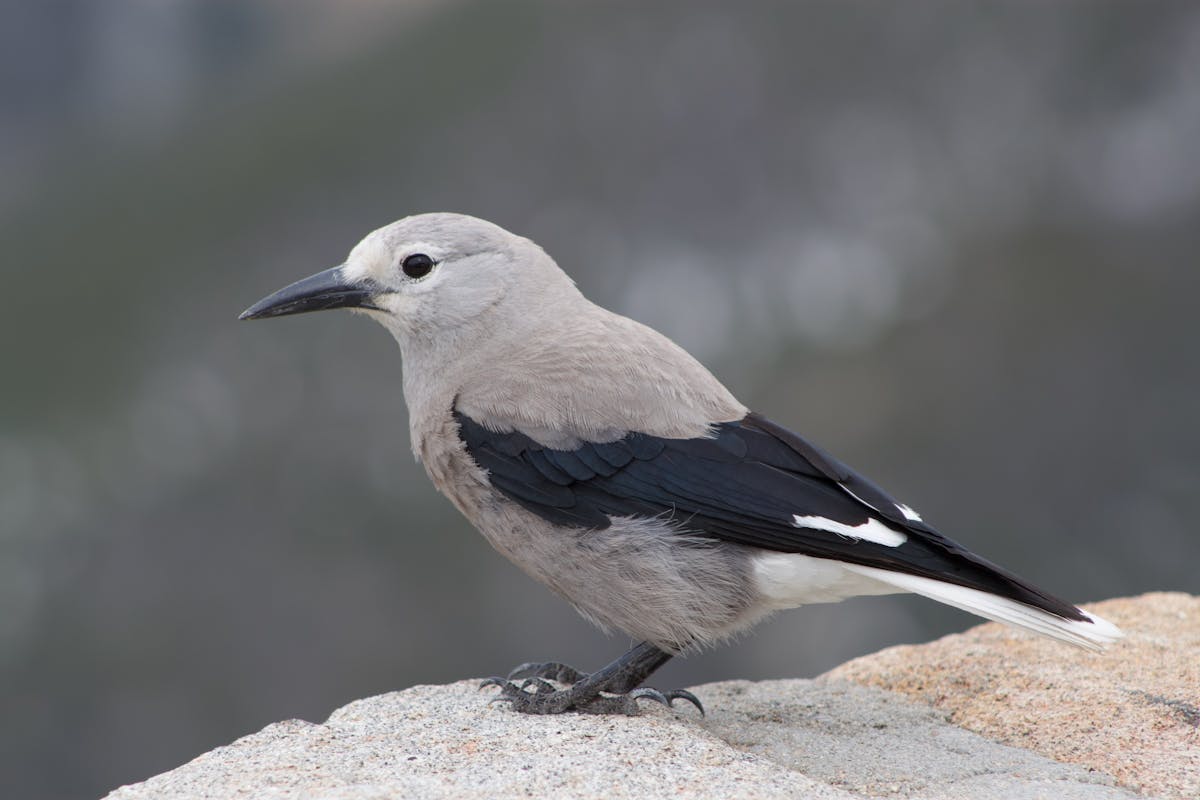
Clark’s Nutcracker
If memory were a sport, the Clark’s Nutcracker would break every record.
This mountain bird stocks away as many as 98,000 seeds each autumn, burying them across territories up to 15 square miles. They recover most of these seeds over the next nine months.
-
The part of their brain responsible for spatial memory is larger than in nearly any other bird.
-
They fly straight to their caches with precision, often landing within centimeters of where the seed is buried.
Clark’s Nutcrackers help sustain pine forests in the American West. They inadvertently contribute to reforestation through their incredible memory.
Common Raven — The Philosopher of Birds
If the crow is the backyard genius, the raven is the wilderness philosopher.
Ravens have been studied in various locations, and researchers have observed many surprising behaviors.
-
Ravens plan for the future, a skill once thought unique to humans.
-
In one study, they selected the right tool to access food after a long delay, showing foresight and planning.
-
They participate in advanced social scheming and can form complex relationships.
Ravens play complex games, tease other animals, and even reconcile after conflicts.
The raven is not just smart; it is aware in ways that redefine our understanding of awareness.
4. Black-Capped Chickadee — The Small Schemer
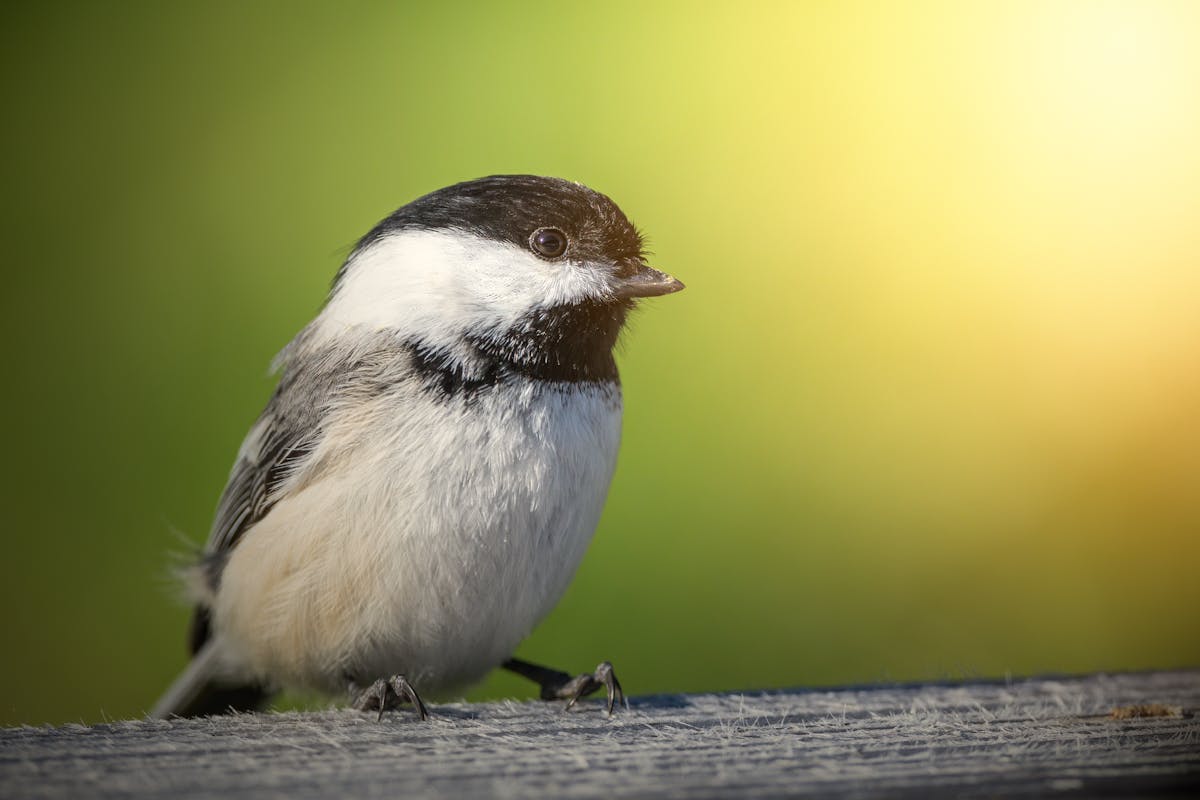
Black-Capped Chickadee
Winter Survival Master
The Black-Capped Chickadee is a master of winter survival. This bird has a clever mind.
Alarm Calls
Chickadees use a modular alarm call system. This system gives precise details about predators, including:
-
Type
-
Size
-
Level of threat
For example, the call for a Sharp-shinned Hawk differs from that of a Great Horned Owl. More “dee” notes at the end of a call indicate a higher threat level.
Forest Communications Hub
Other birds, like nuthatches and warblers, respond to chickadee calls, even if they don’t understand them. The chickadee acts as a communication hub, sharing information about threats with the whole flock.
Food Caching Memory
Chickadees have an impressive memory for hiding food. They cache many seeds in different places each day and can find them days later. This skill is aided by seasonal growth in their brains.
Social Learning
Chickadees also eavesdrop on each other. They watch other chickadees to learn about:
-
Social rank
-
Available mates
-
Food quality
5. Eurasian Magpie — The Mirror Test
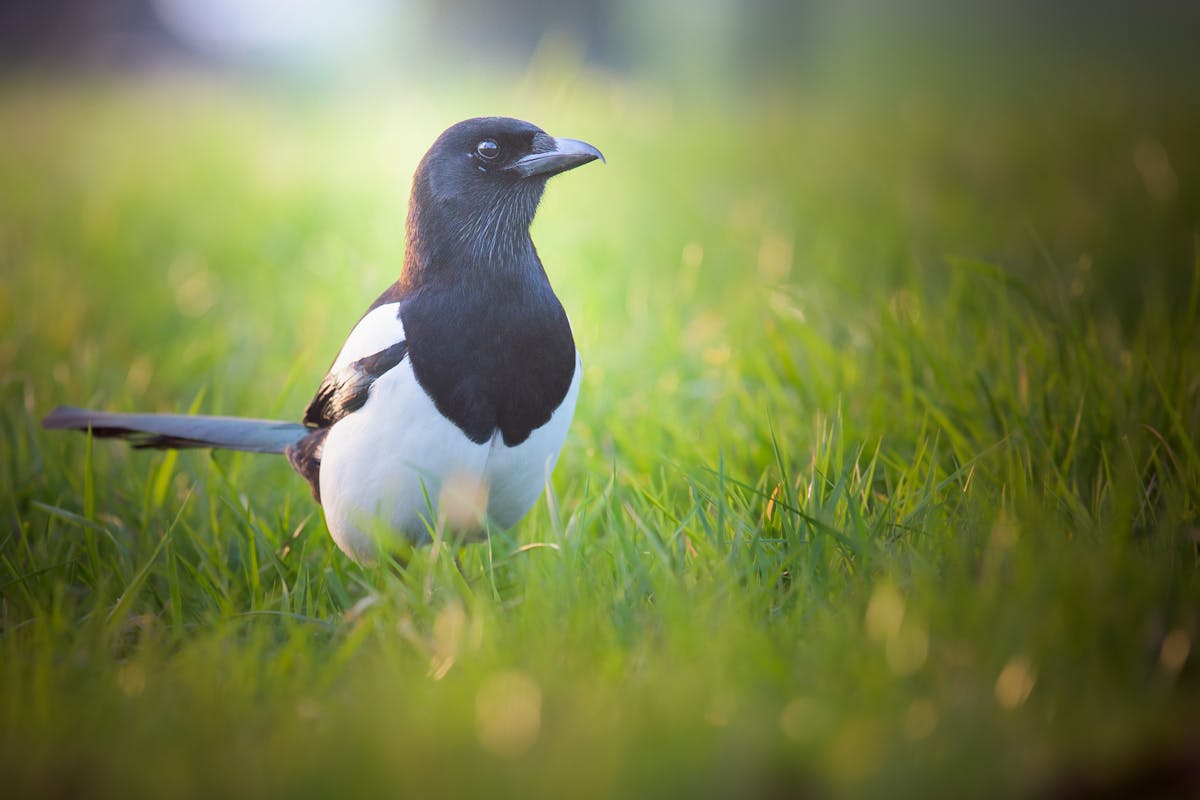
Eurasian Magpie
A Breakthrough in Self-Recognition
In 2008, a study in PLOS Biology revealed something remarkable. The Eurasian Magpie passed the mirror test, showing it can recognize itself.
First Non-Mammal to Pass
Before this, only great apes, dolphins, elephants, and humans were known to recognize themselves. The magpie is the first non-mammal to do so, suggesting self-awareness in birds evolved separately from mammals.
North American Magpies
North American magpies, specifically the Black-Billed Magpie, share this intelligence. They:
-
Cache food
-
Use deception to protect their caches
-
Maintain complex social bonds
-
May conduct mourning rituals for their dead companions
6. Woodpecker — The Engineer No One Respects Enough
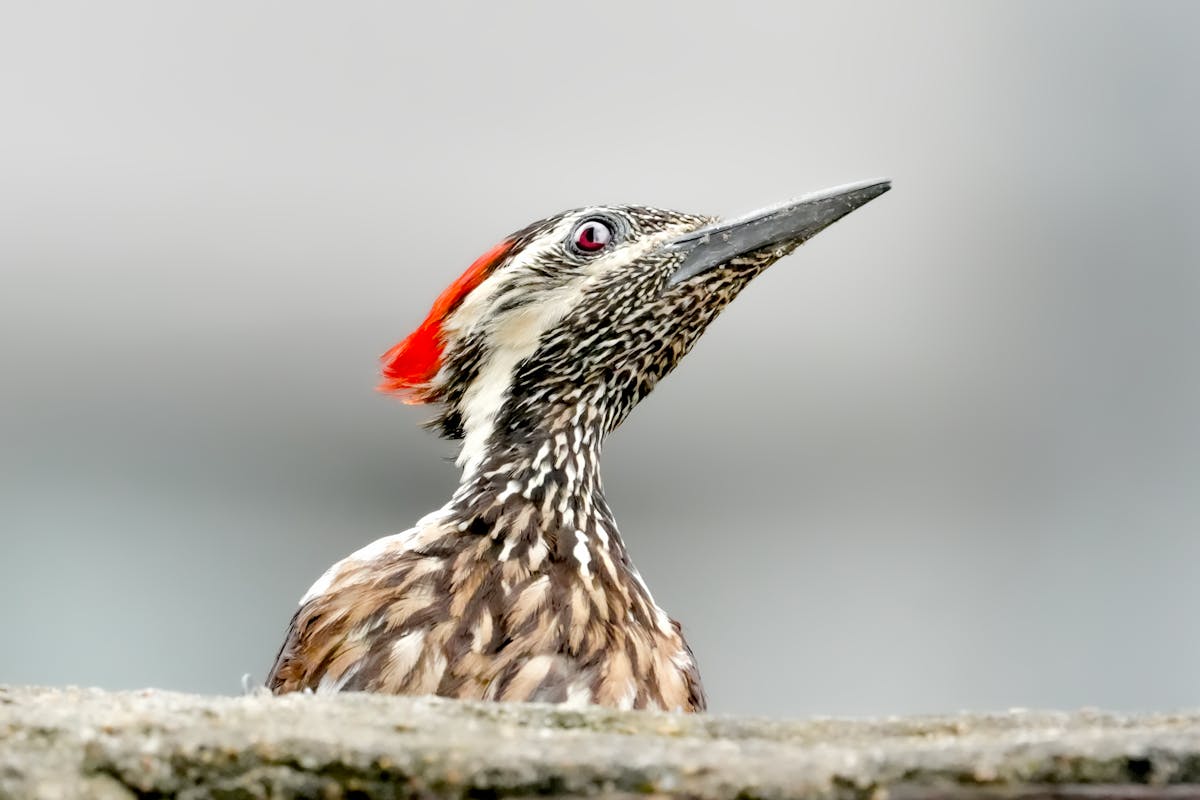
Woodpecker
More Than Just a Noisy Bird
Many people think of woodpeckers as just birds that bang their heads on trees. However, they are sophisticated engineers.
Granaries of Acorn Woodpeckers
The Acorn Woodpecker creates granaries, which are trees filled with holes for acorns. A single granary can hold 50,000 acorns. This requires a complex social system with:
-
Multiple breeding adults
-
Helper birds
-
Constant monitoring of food storage
Memory and Spatial Reasoning
The Downy Woodpecker uses memory to remember where to find food. It revisits certain branches and tree sections after a few days.
Natural Engineering
Woodpeckers have unique skull and beak designs that protect them from injury during pecking. Their anatomy includes special features that prevent brain damage during impacts.
7. A Common Bird with Amazing Skills (American Robin — The Navigator)
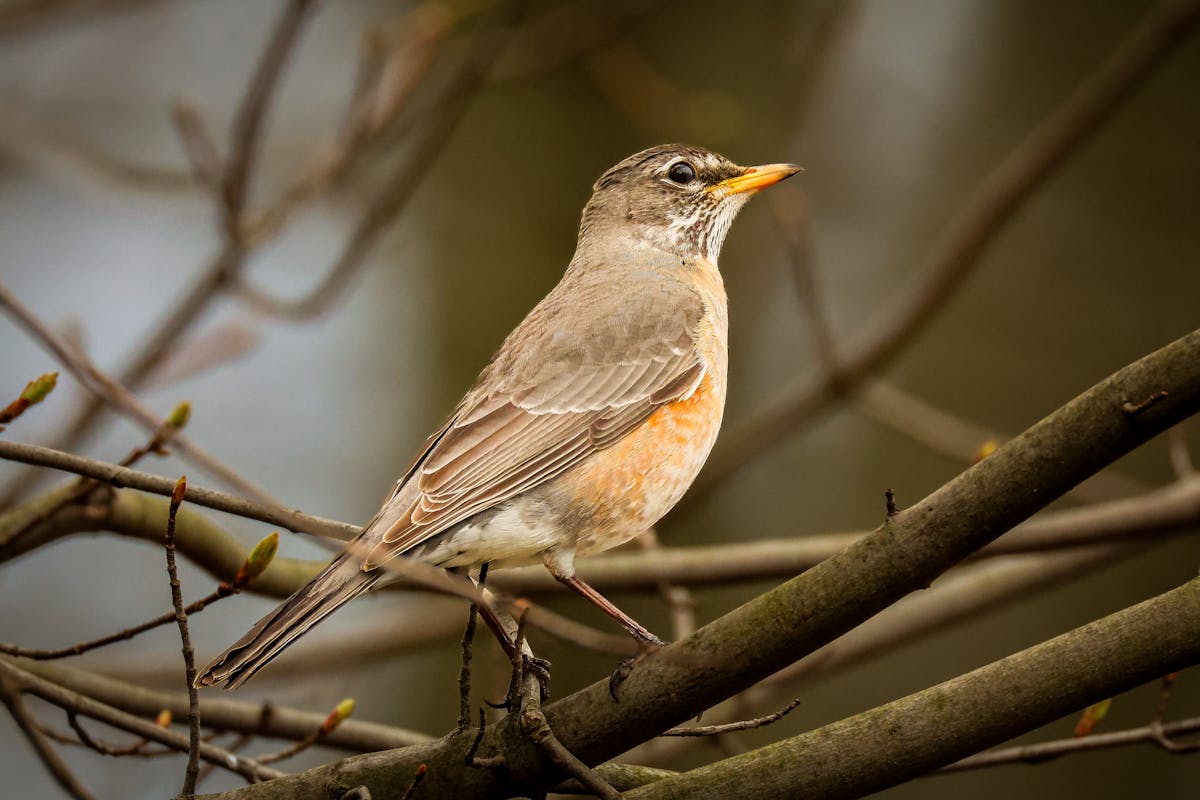
American Robin
American Robins are everywhere, but they are often underestimated. They make incredible journeys twice a year.
Long Distance Migration
Robins migrate thousands of miles, guided by:
-
The Earth’s magnetic field
-
Star patterns
-
Solar position
-
Polarized light
-
Memory of landmarks
Foraging Intelligence
When hunting for earthworms, robins tilt their heads to improve their vision. They:
-
Detect subtle vibrations
-
Learn the best soil conditions for finding worms
-
Adjust their songs to match urban noise levels
8. Northern Mockingbird — The Homunculus of Learning
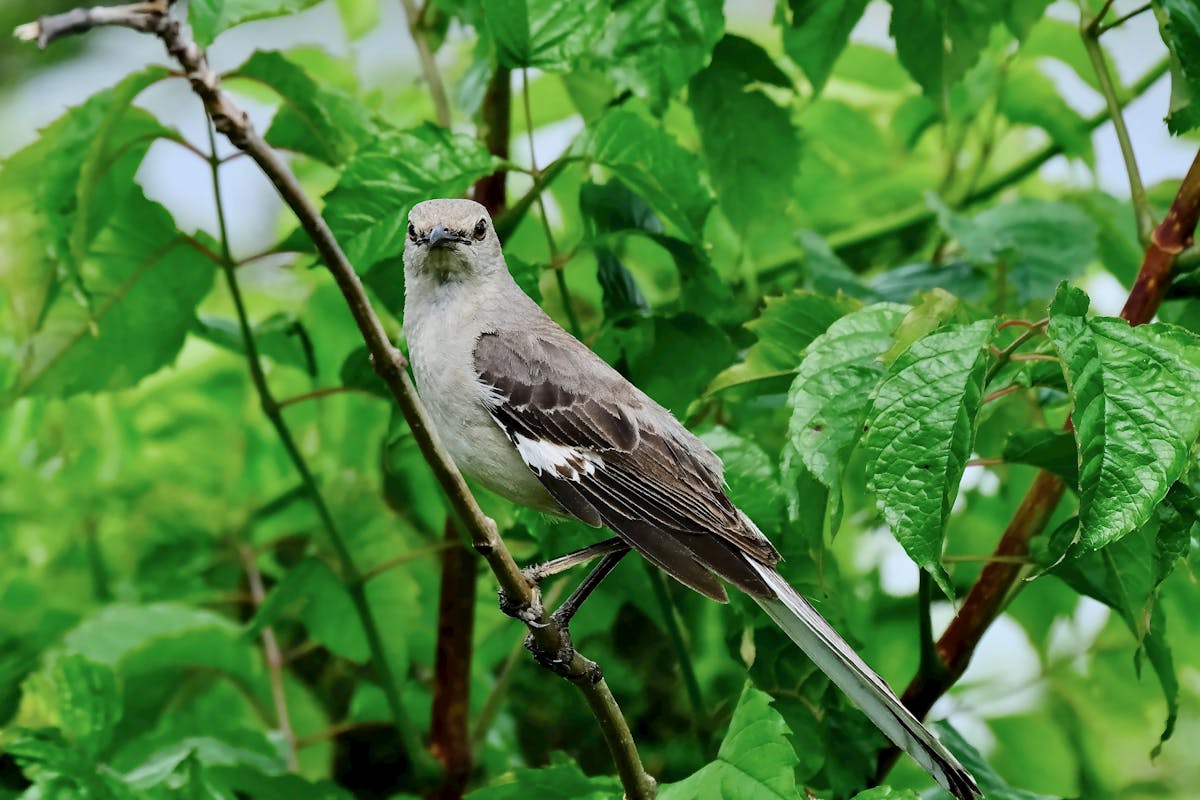
Northern Mockingbird
An Impressive Mimic
The Northern Mockingbird can learn songs from up to 200 different bird species throughout its life.
Complex Learning Process
This is not simple imitation. Mockingbirds:
-
Organize songs by topics
-
Use varied songs to attract mates and show dominance
Mimicking Sounds
Mockingbirds also mimic other sounds, such as:
-
Car alarms
-
Cell phone ringtones
-
Dog barks
Young Learners
Young males often listen and learn during their first year, developing their skills quietly.
9. Osprey — The Specialized Problem Solver
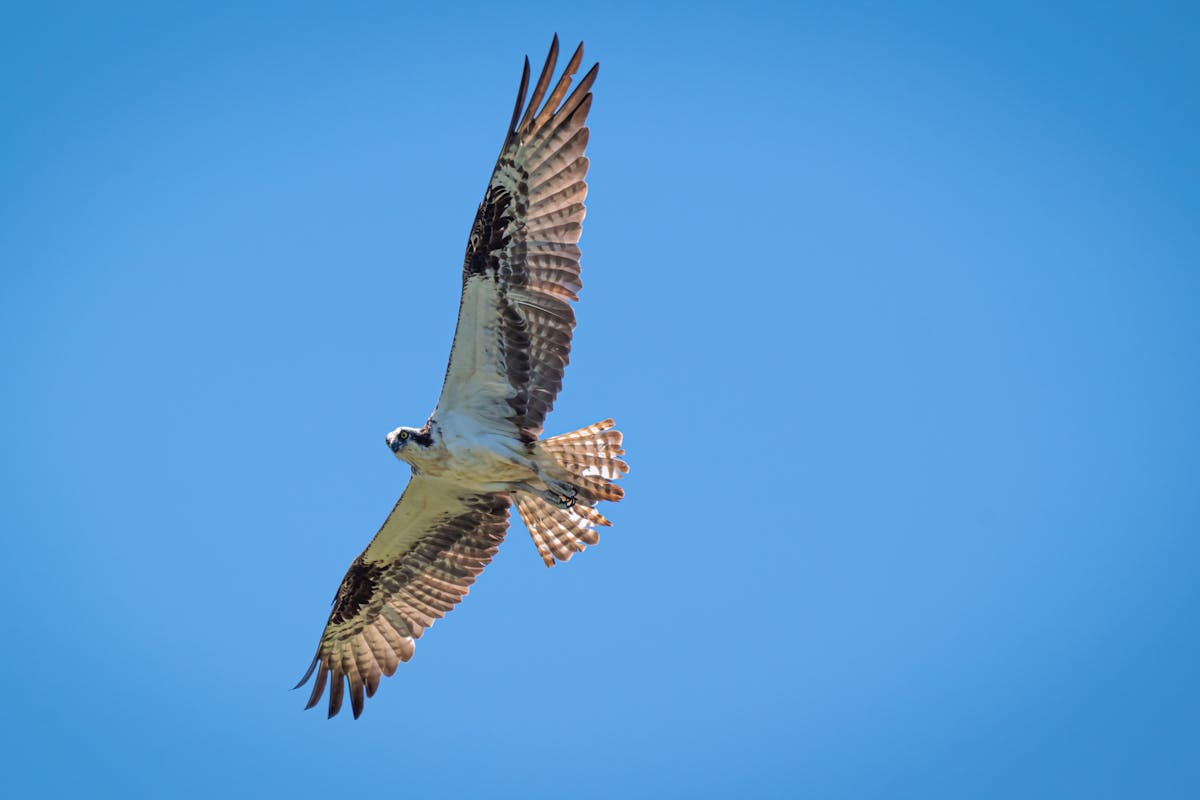
Osprey
Unique Hunting Technique
The Osprey has a unique way of catching fish. Unlike other birds, it dives from above, entering the water feet-first.
Hunting Challenges
This hunting method requires precise calculations. The Osprey must:
-
Adjust for light refraction in water
-
Calculate its dive angle at high speed
Specialized Features
Ospreys have evolved special traits for fishing, including:
-
Reversible outer toes
-
Spiny pads for gripping fish
-
Waterproof feathers
10. Canada Goose — The Social Strategist
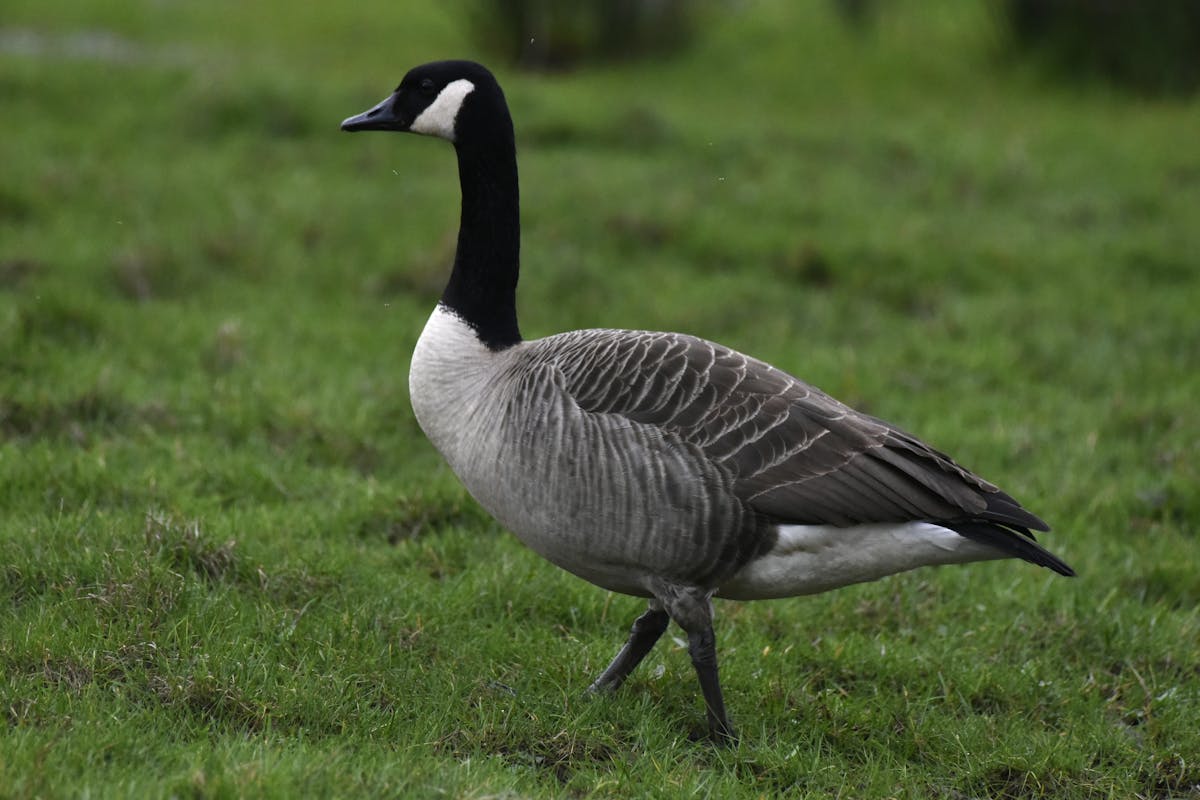
Canada Goose
Complex Social Systems
Canada Geese are often seen as aggressive, but they have intricate social systems.
Family Dynamics
Young geese stay with their parents through migration, learning important skills, such as:
-
Migration routes
-
Foraging areas
-
Social hierarchies
Cultural Knowledge Transmission
Geese pass knowledge from one generation to the next, which helps them navigate challenges. Their understanding of threats is also sophisticated, as they:
-
Differentiate between predator threats and harmless intrusions
-
Adjust their responses based on the situation
11. Barn Swallow — The Aeronautical Ninja
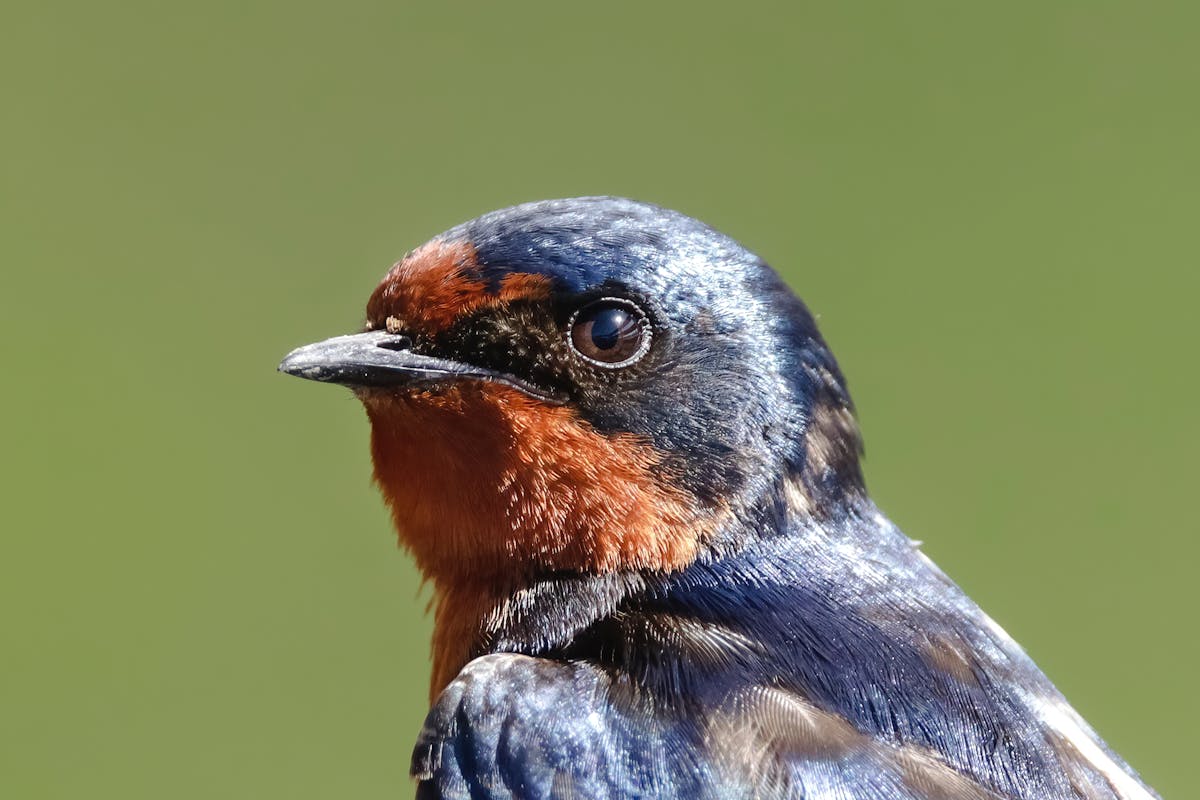
Barn Swallow
Speed and maneuverability become forms of intelligence when applied with precision. The Barn Swallow snatches up every meal in midair. It chases and catches flying insects at high speeds, performing aerial gymnastics. This involves rapid real-time calculations to intercept trajectories, speeds, and angles.
Hunting Skills
Dozens of split-second adjustments go into every hunting flight. Each adjustment processes sensory information, producing a motor response in mere seconds. The Barn Swallow does this for much of its waking hours.
Key Points:
-
Processing spatial relationships and movement uses a lot of brain power.
-
This bird occupies three-dimensional space more thoroughly than almost any other bird in North America.
Social Intelligence
Barn Swallows also show complex mate-choice dynamics. Females choose males based on tail length, which indicates fitness. Males adjust their behavior based on competition within the colony. This social intelligence works alongside their aerial skills.
12. Great Blue Heron — The Calculator
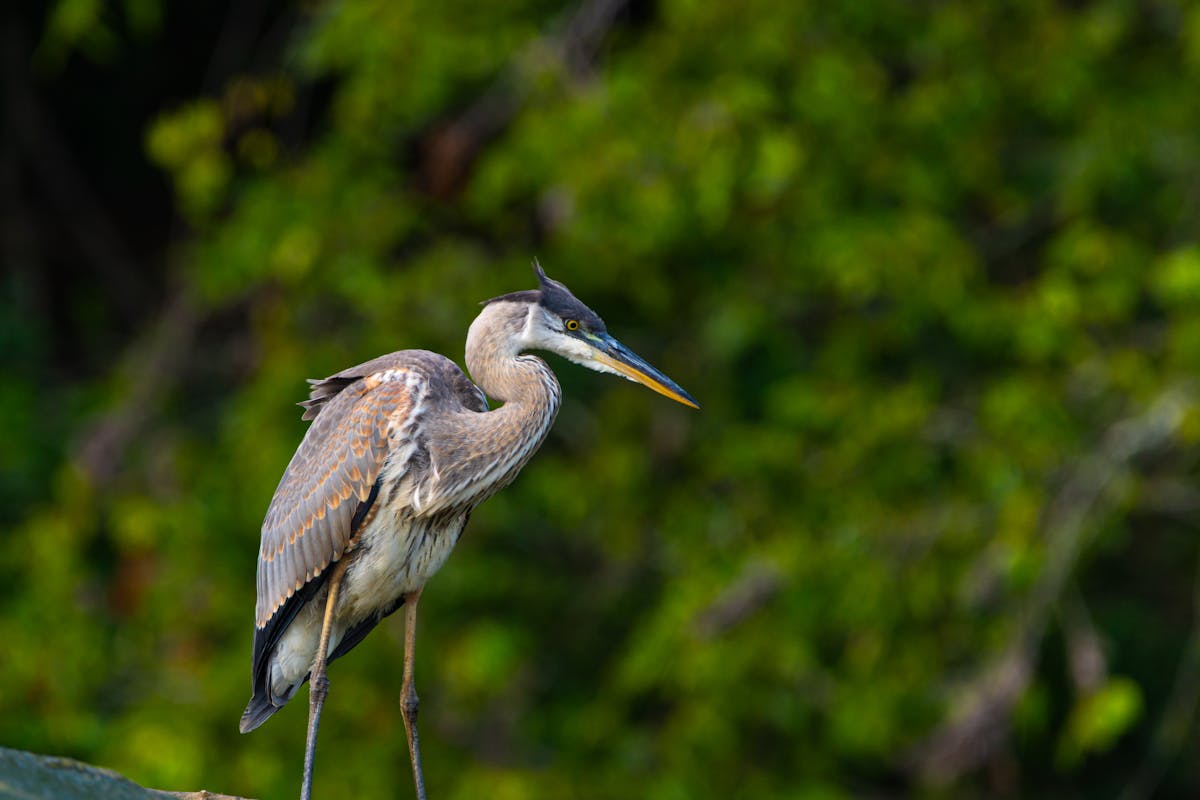
Great Blue Heron
Patience is a key aspect of intelligence. It requires impulse control and strong time estimation skills. The Great Blue Heron is the most patient hunter in North America.
Hunting Techniques
The heron stands motionless at the water’s edge, sometimes for 20 to 40 minutes. It processes visual information about fish movement beneath the surface. The heron waits for the perfect moment to strike.
When it does strike, its bill moves faster than the fish can react. This timing results from sustained cognitive effort, not luck.
Tool Use
Great Blue Herons have been seen using tools for hunting. They drop small objects like:
-
Insects
-
Bits of bread
-
Feathers
They wait for curious fish to approach before striking. This shows purposeful tool use in hunting.
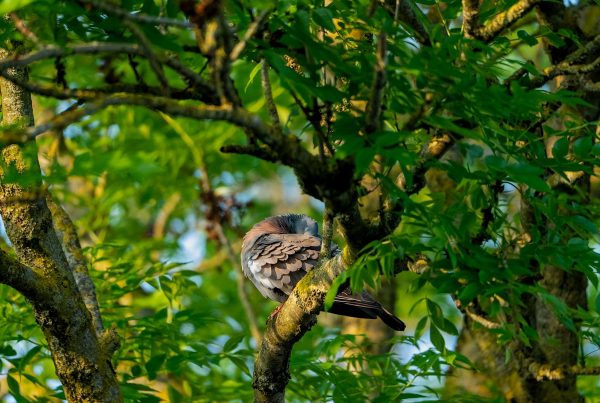
13. Pigeon — The Navigation Genius You’ve Been Underestimating
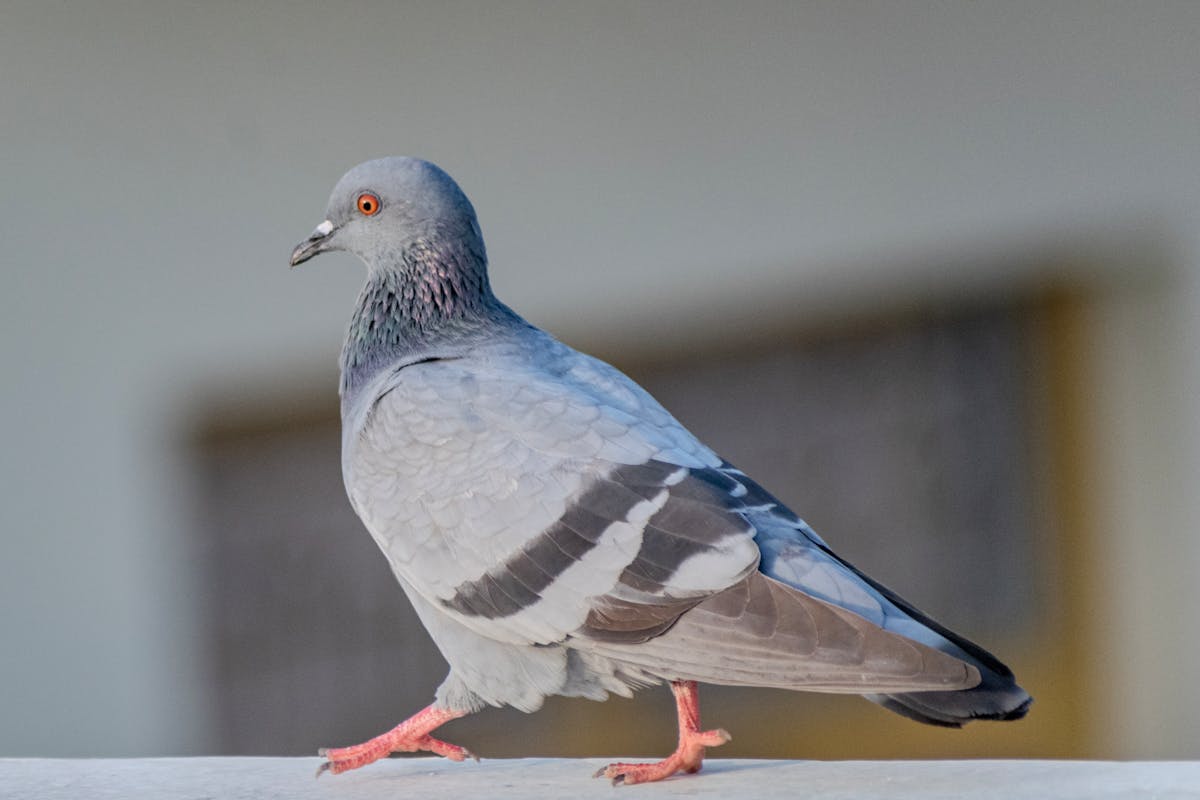
Pigeon
The pigeon is often underestimated, especially in urban areas. Feral pigeons are common, yet their cognitive abilities are remarkable.
Navigation Skills
Homing pigeons can find their way back home from unknown locations, even over hundreds of miles. They use a multi-layered navigation system that includes:
-
Magnetic field sensing
-
Solar compass orientation
-
Olfactory navigation
-
Infrasound detection
-
Topological memory
Scientists have studied pigeon navigation for decades, as it is not fully understood.
Facial Recognition
Pigeons excel in recognizing individual human faces from photographs. They can:
-
Differentiate one person from another
-
Recognize the same face under different lighting
-
Transfer this recognition to new images
The pigeon on your sidewalk performs navigation and facial recognition tasks that engineers struggle to replicate.
14. Hummingbird — Speed, Memory, and Impossible Precision
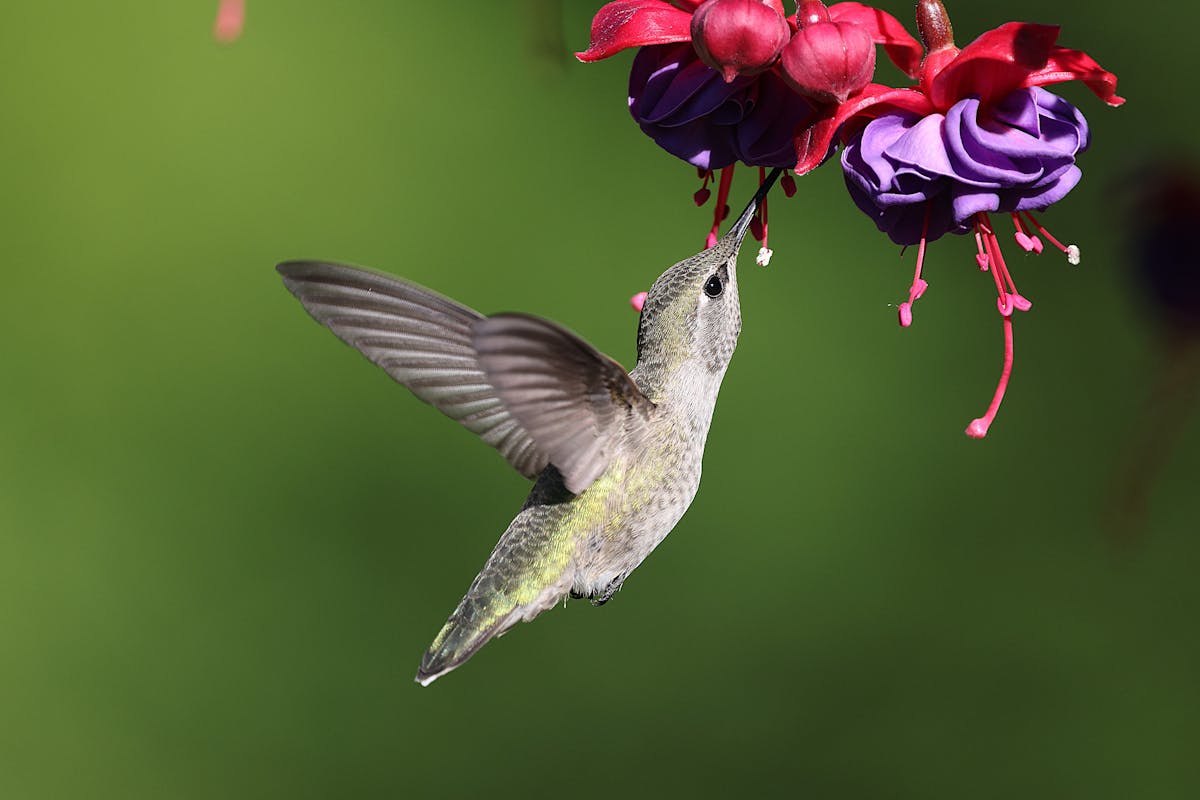
Hummingbird
The Ruby-Throated Hummingbird is the smallest bird on this list, but it is incredibly impressive for its size.
15. Cognitive Abilities
This hummingbird’s brain makes up 4.2% of its body weight, the largest brain-to-body ratio among North American birds. It uses this brain to manage a territory of flowers.
Key Functions:
-
Keeps track of visited flowers
-
Monitors how long it takes for flowers to refill with nectar
-
Times its return visits for maximum energy efficiency
Hummingbirds also have episodic-like memory. They remember where and when events happened, a skill once thought unique to humans.
Flight Control
Their flight control is extraordinary. They can hover within millimeters of a target, compensate for wind, and maintain position while their heart races at a thousand beats per minute. They achieve all this with a body weight of just 3 grams.
What This Changes
It’s time to retire the phrase “birdbrain.” This term is not only outdated but factually incorrect.
The birds in your backyard — the crow on the fence, the chickadee at the feeder, the mockingbird in the oak tree, and the robin searching for worms — each have sophisticated cognitive systems.
These systems have evolved over millions of years. They solve real-world problems, retain information, navigate complexities, and sometimes show capabilities we often think belong only to humans.
We coexist with minds we cannot fully understand, and one key aspect of intelligence is recognizing it in unexpected places.
Want to go deeper?

MD Imdadul Haque is the founder of BirdzFly, a research-backed resource on North American backyard birds. Drawing on years of independent study into bird identification, behavior, and migration patterns, he writes in-depth guides designed to help US birders understand the species in their own backyards — from common feeder visitors to seasonal migrants passing through.